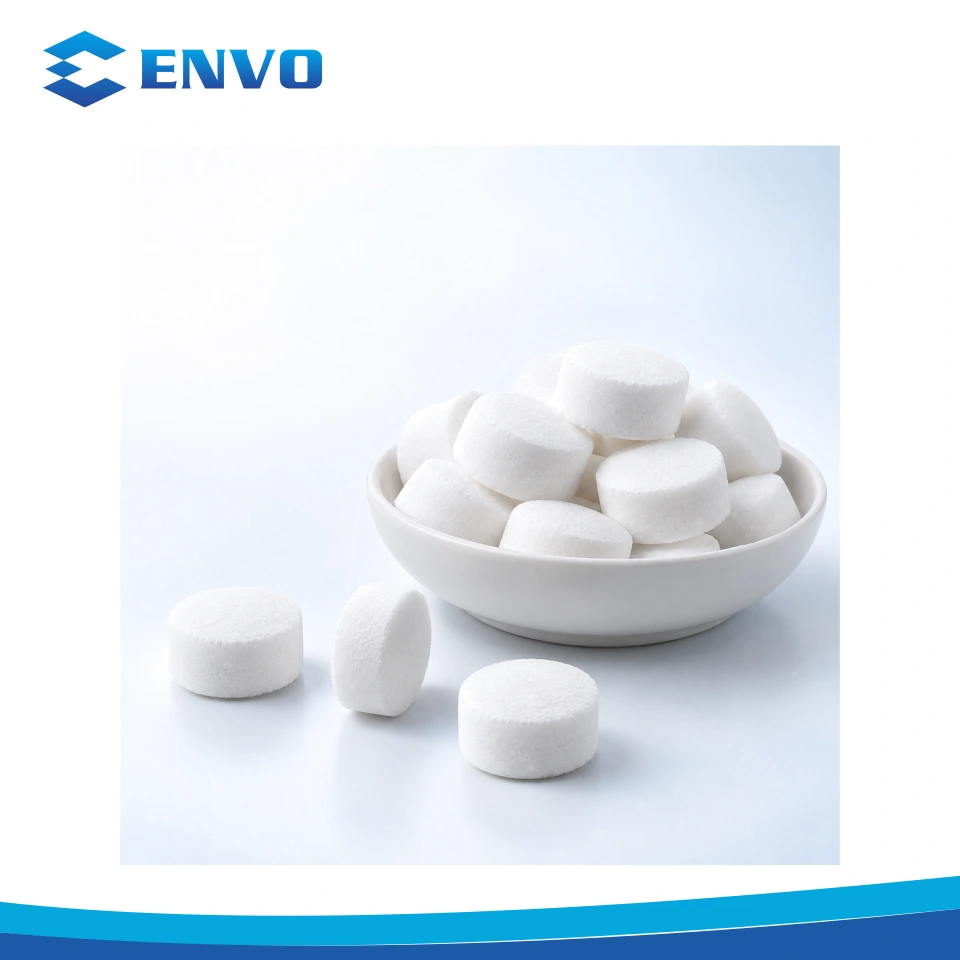
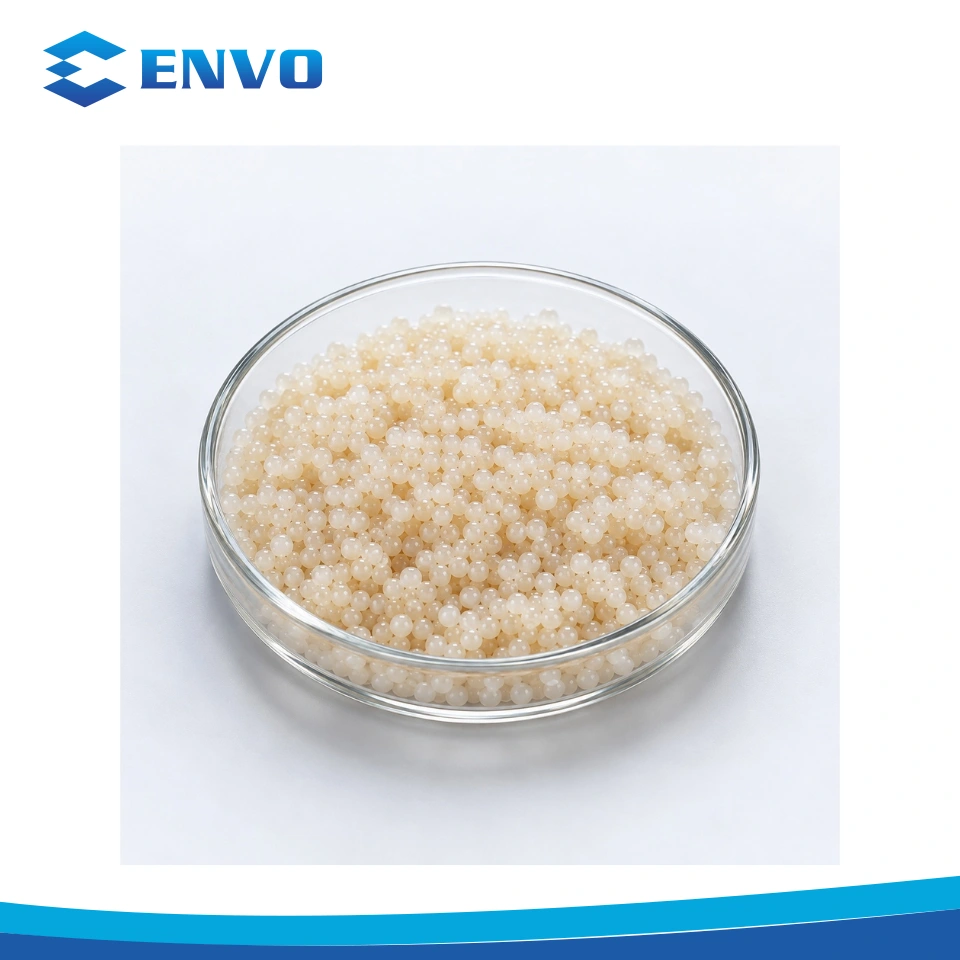
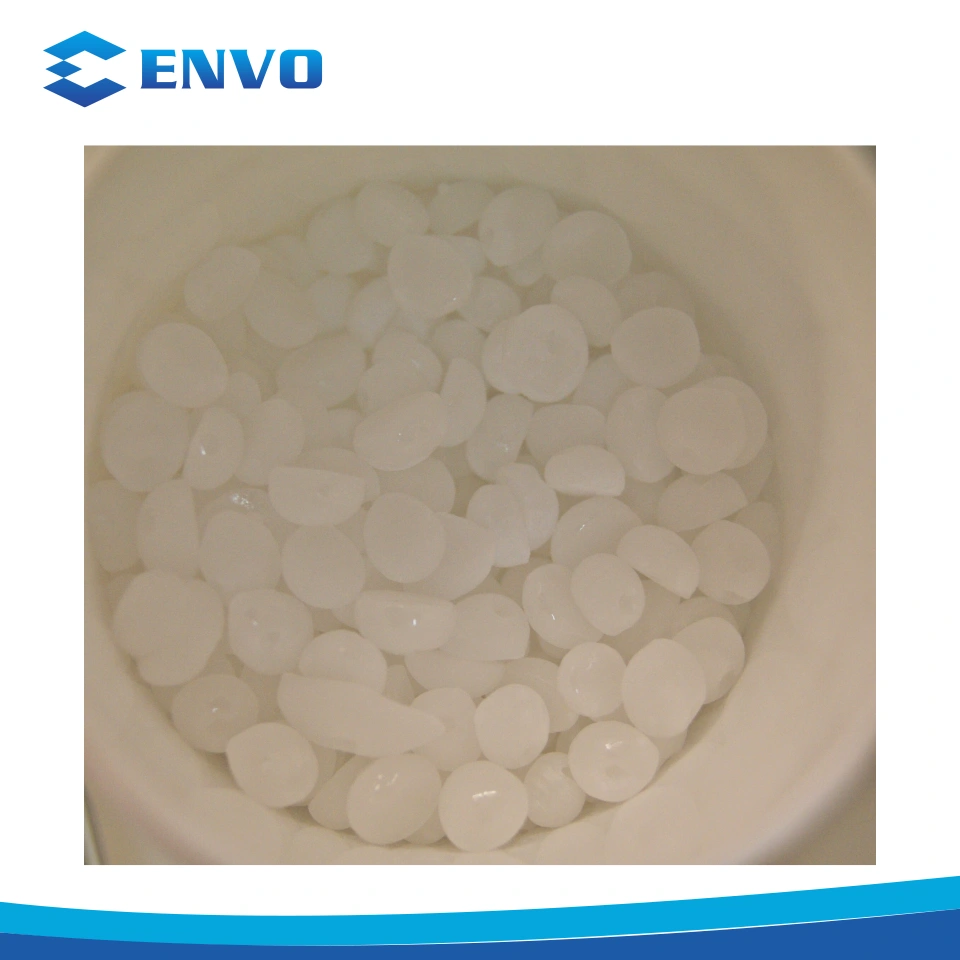
PFAS-selective media screening; Activated-carbon adsorption for organics, color & odor; Arsenic speciation & selective adsorption
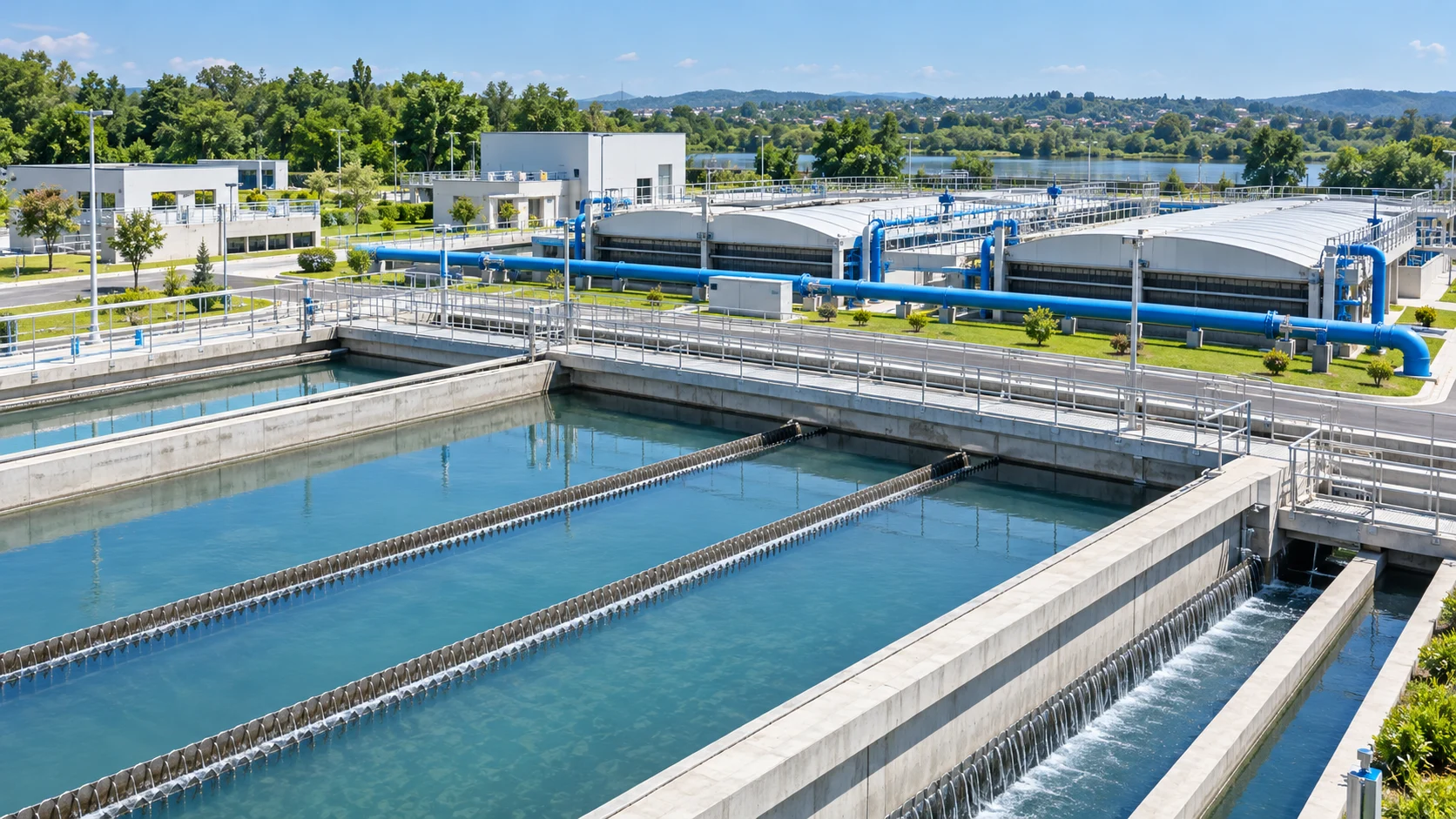
Water-supply treatment facility reference Process selection depends on water quality and project conditions.
Your process challenges
Chemistry matched to real operating conditions.
Build a treatment shortlist around water quality, public-water use and the documents needed for the actual product.
Treatment approach
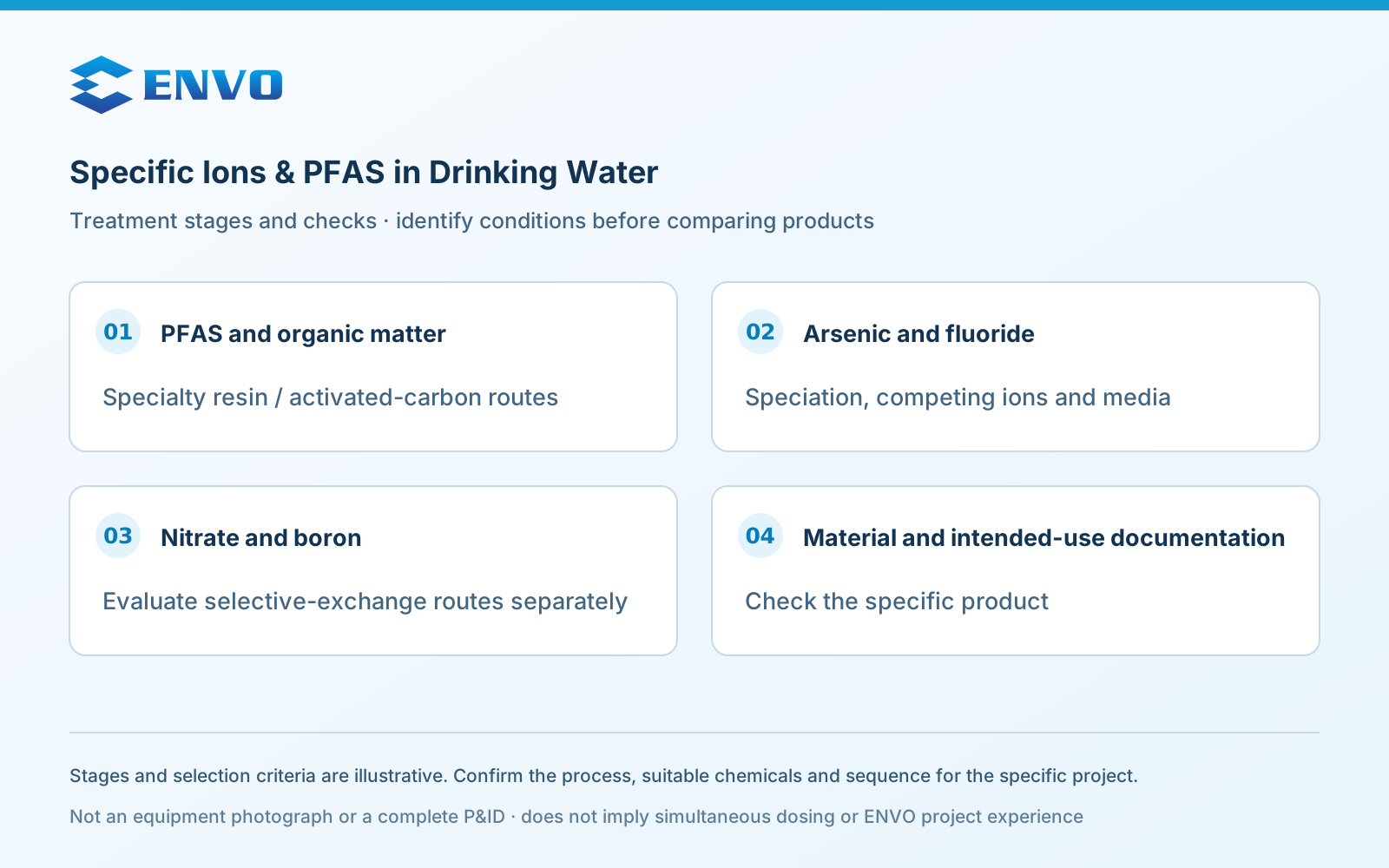
Specific Ions & PFAS in Drinking Water: understand the treatment stages first.
Compare PFAS adsorption, specialty media for arsenic / fluoride, nitrate-selective exchange and boron-removal resin for the respective contaminants. These are distinct selection routes, not a universal water-treatment formulation.
Swipe horizontally to view the full diagram.
PFAS and organic matterSpecialty resin / activated-carbon routes
Arsenic and fluorideSpeciation, competing ions and media
Nitrate and boronEvaluate selective-exchange routes separately
Material and intended-use documentationCheck the specific product
Check together during selection
Select according to source-water variability, intended use and water-supply equipment. Intended-use documentation for potable-water chemicals and materials must cover the specific product.
Compare candidate products below by treatment objective. Evaluate different routes separately; the list does not imply simultaneous dosing.
Specific Ions & PFAS in Drinking Water: match requirements to each treatment stage.
Compare treatment objectives, chemical functions and verification criteria stage by stage. Products in the table may be alternatives or serve different stages; they are not necessarily dosed together.
Define influent and objectives first
Share target species, detection results, competing ions, organic matter, contact conditions and disposal requirements. This helps connect raw water, treated water and distribution requirements and narrow the product and specification range.
Then confirm assessment limits
Select against raw water changes, intended use and water supply equipment. End-use documents for drinking water chemicals and materials must match the specific product.
Compare all treatment routesProduct roles, conditions and verification
Specific Ions & PFAS in Drinking Water: treatment objectives and product routes
Provide the PFAS profile, background water chemistry, breakthrough criteria and spent-media disposal route. No universal service life or removal claim is implied.
View each product's function and conditions
PFAS-Selective Adsorption & Ion-Exchange Media
Function:Provides a specialty adsorption or ion exchange material route for an identified PFAS profile. Conditions:Provide the PFAS profile, background water chemistry, breakthrough assessment and spent-media disposal conditions. No universal service life is promised.
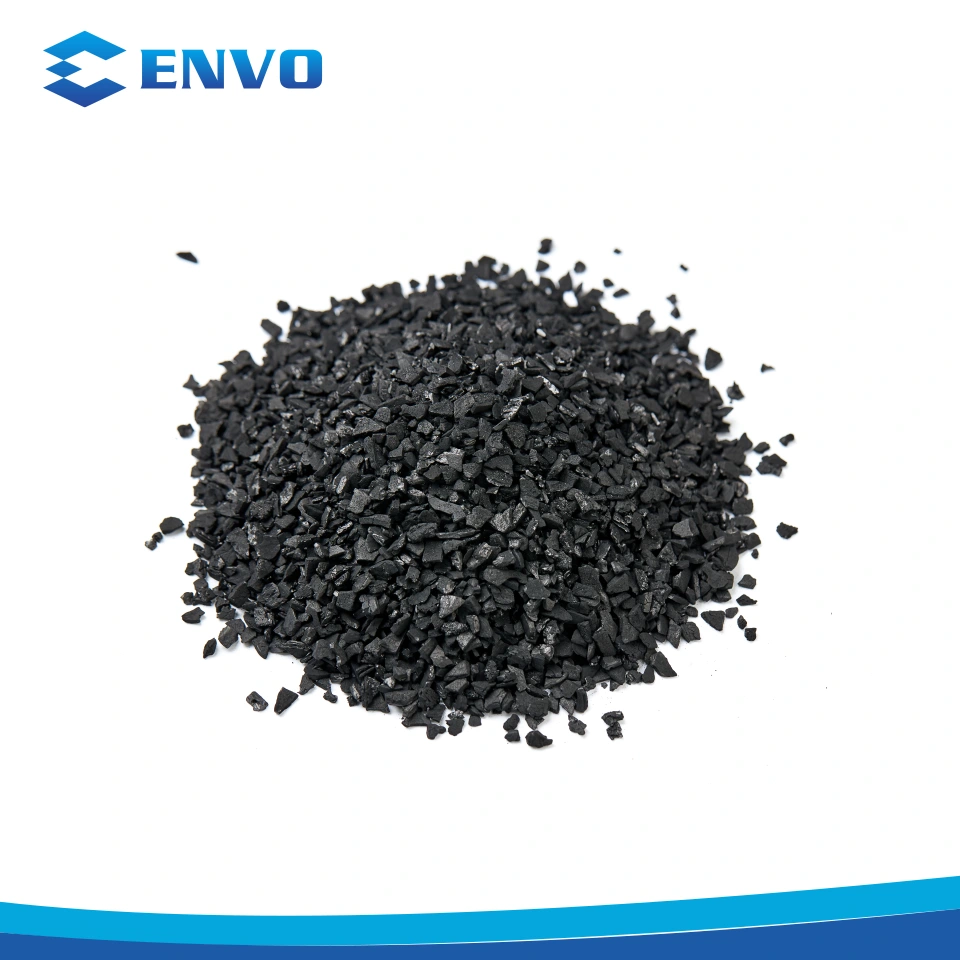
Granular Activated Carbon
Function:Provides an adsorption-based treatment route, assessed for the target components separately from specialty resins. Conditions:Define the target PFAS components, background organics, carbon grade, dynamic breakthrough and spent-carbon disposal conditions.
View product-specific checks
PFAS-Selective Adsorption & Ion-Exchange Media
Specific Ions & PFAS in Drinking Water: Media composition; Particle size & grading; Treatment objective; Capacity or performance test conditions; End-use documents; Consider target species, detection results, competing ions, organic matter, contact conditions and disposal requirements.
Granular Activated Carbon
Specific Ions & PFAS in Drinking Water: Media composition; Particle size & grading; Treatment objective; Capacity or performance test conditions; End-use documents; Consider target species, detection results, competing ions, organic matter, contact conditions and disposal requirements.
Compare results using representative water samples or site data, retaining the test methods and operating conditions.
Activated-carbon adsorption for color, odor & tasteAdsorption & filtrationFilter by this objective
Select the carbon type using target contaminants, test method and contact conditions. Powdered carbon needs a suitable downstream solids-separation step.
View each product's function and conditions
Granular Activated Carbon
Function:Suitable carbon grades adsorb certain organic compounds, color, odor, taste or residual oxidants. Conditions:Define the contaminant profile, contact conditions, dynamic trials and spent-carbon disposal. Powdered carbon requires downstream solid–liquid separation.
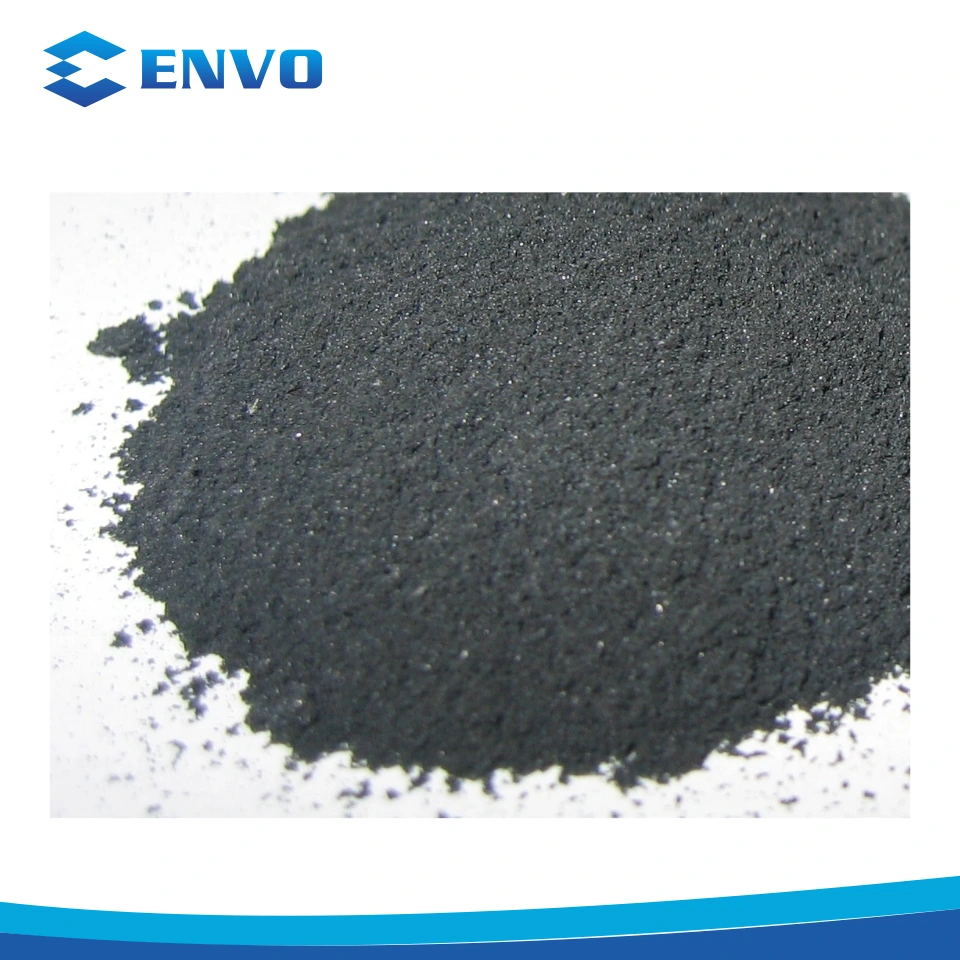
Powdered Activated Carbon
Function:Suitable carbon grades adsorb certain organic compounds, color, odor, taste or residual oxidants. Conditions:Define the contaminant profile, contact conditions, dynamic trials and spent-carbon disposal. Powdered carbon requires downstream solid–liquid separation.
View product-specific checks
Granular Activated Carbon
Specific Ions & PFAS in Drinking Water: Media composition; Particle size & grading; Treatment objective; Capacity or performance test conditions; End-use documents; Consider target species, detection results, competing ions, organic matter, contact conditions and disposal requirements.
Powdered Activated Carbon
Specific Ions & PFAS in Drinking Water: Media composition; Particle size & grading; Treatment objective; Capacity or performance test conditions; End-use documents; Consider target species, detection results, competing ions, organic matter, contact conditions and disposal requirements.
Compare results using representative water samples or site data, retaining the test methods and operating conditions.
Define As(III)/As(V), phosphate, silica, organic matter and preoxidation first. Any general-purpose resin must be shown to have the corresponding arsenic selectivity.
View each product's function and conditions
Iron-Based Adsorption Media
Function:Provides a specialty adsorption route for the actual arsenic species. Conditions:Define As(III)/As(V), phosphate, silica, organic matter and preoxidation first. Any general-purpose resin must be shown to have the corresponding arsenic selectivity.
Selective Ion-Exchange / Chelating Resin
Function:Only a specific resin with established selectivity for the target contaminant is considered for comparison as a specialty removal medium. Conditions:The product TDS must identify the relevant ion/oxidation state, with breakthrough or capacity assessment under the actual competing-component conditions.
View product-specific checks
Iron-Based Adsorption Media
Specific Ions & PFAS in Drinking Water: Media composition; Particle size & grading; Treatment objective; Capacity or performance test conditions; End-use documents; Consider target species, detection results, competing ions, organic matter, contact conditions and disposal requirements.
Selective Ion-Exchange / Chelating Resin
Specific Ions & PFAS in Drinking Water: Media composition; Particle size & grading; Treatment objective; Capacity or performance test conditions; End-use documents; Consider target species, detection results, competing ions, organic matter, contact conditions and disposal requirements.
Compare results using representative water samples or site data, retaining the test methods and operating conditions.
Evaluate fluoride load, pH, competing ions and breakthrough or regeneration behavior. Compare adsorption separately from high-load precipitation routes.
View each product's function and conditions
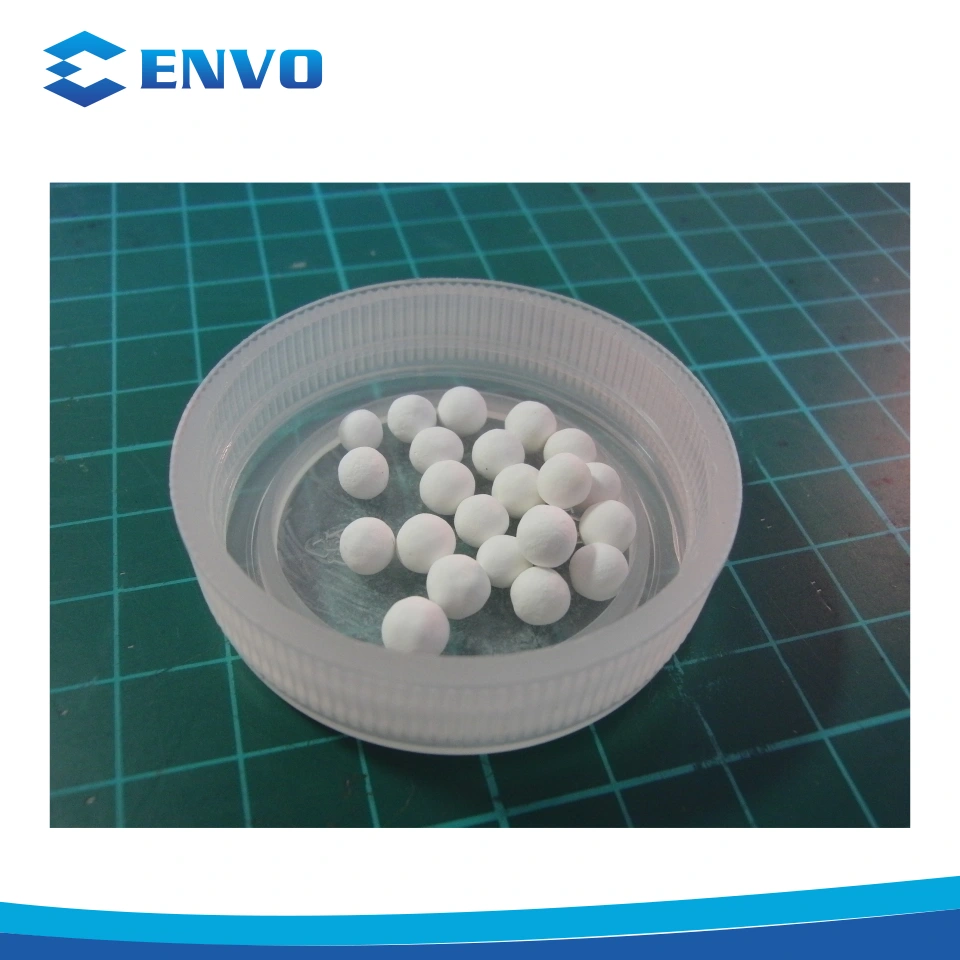
Activated-Alumina Adsorption Media
Function:Provides a specialty adsorption route assessed against fluoride load and competing ions. Conditions:Evaluate breakthrough or regeneration against fluoride load, pH and competing ions. Compare adsorption separately from high-load precipitation routes.
View product-specific checks
Activated-Alumina Adsorption Media
Specific Ions & PFAS in Drinking Water: Media composition; Particle size & grading; Treatment objective; Capacity or performance test conditions; End-use documents; Consider target species, detection results, competing ions, organic matter, contact conditions and disposal requirements.
Compare results using representative water samples or site data, retaining the test methods and operating conditions.
Evaluate nitrate, competing ions such as sulfate and the regenerant-waste route. Regeneration salt serves only the equipment-specified regeneration program.
View each product's function and conditions
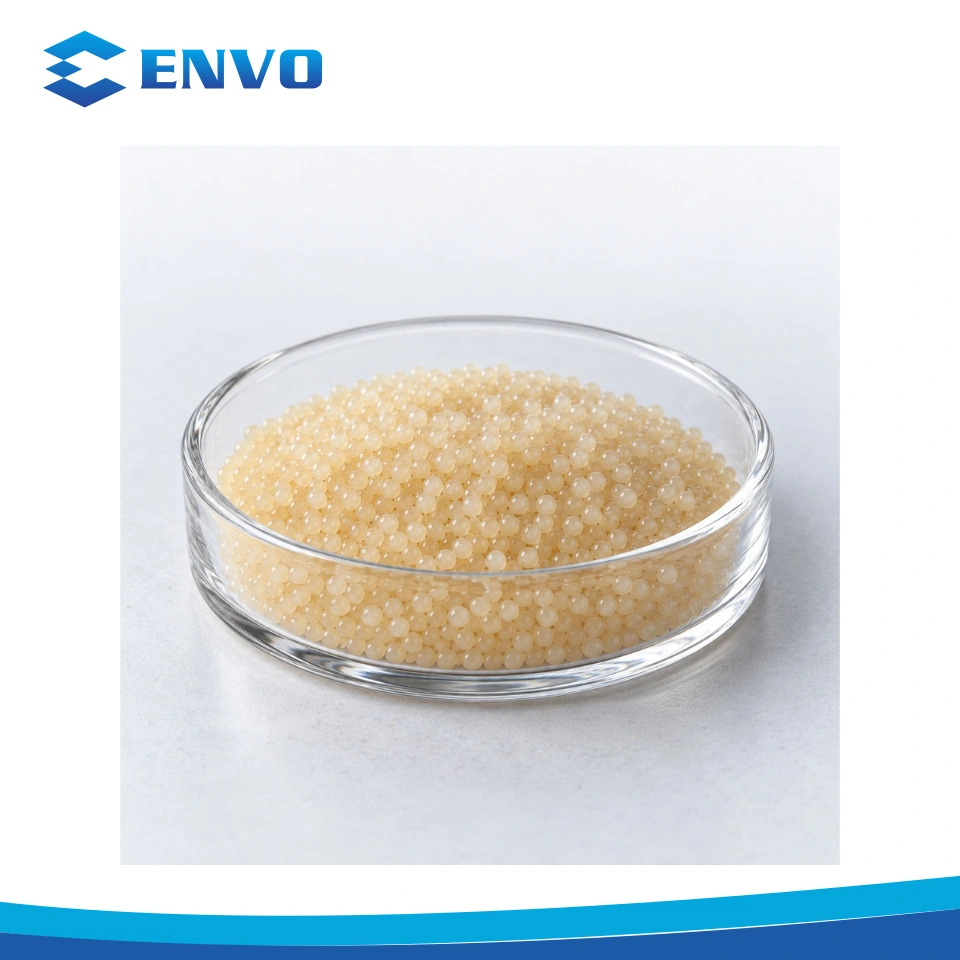
Nitrate-Selective Anion-Exchange Resin
Function:Nitrate-selective ion exchange transfers nitrate to the resin and regeneration solution. Conditions:Evaluate nitrate, sulfate and other competing ions, and the regeneration-waste destination. Regeneration salt is used only within the equipment-specified regeneration procedure.
Water-Treatment Regeneration Salt
Function:Supplies salt for the specified anion resin regeneration procedure; it does not directly destroy nitrate. Conditions:Define the resin grade, regeneration-concentrate disposal and equipment procedure.
View product-specific checks
Nitrate-Selective Anion-Exchange Resin
Specific Ions & PFAS in Drinking Water: Functional groups; Chloride or other ionic form; Nitrate selectivity; Competing sulfate; Dynamic breakthrough & regeneration trials; Consider target species, detection results, competing ions, organic matter, contact conditions and disposal requirements.
Water-Treatment Regeneration Salt
Specific Ions & PFAS in Drinking Water: NaCl content; Insoluble matter; Impurities; Particle form; Equipment requirements; Consider target species, detection results, competing ions, organic matter, contact conditions and disposal requirements.
Compare results using representative water samples or site data, retaining the test methods and operating conditions.
Select the resin using boron speciation, pH, salinity and coexisting organics. Acids and alkalis serve only the designated regeneration or pH stages and must be reviewed separately.
View each product's function and conditions
Boron-Selective Ion-Exchange Resin
Function:A boron-selective functional material captures boron from water, distinct from an ordinary softening resin. Conditions:Define boron, competing ions, pH and organic matter, then select using dynamic breakthrough and regeneration trials.
Sodium Hydroxide
Function:Serves the boron unit's specified regeneration or pH-restoration stage; it is not a separate active boron-removal material. Conditions:Define resin supply documents, regeneration-waste disposal and the engineered control procedure. Review acid and alkali requirements as separate stages.
Hydrochloric Acid
Function:Serves the boron unit's specified regeneration or pH-restoration stage; it is not a separate active boron-removal material. Conditions:Define resin supply documents, regeneration-waste disposal and the engineered control procedure. Review acid and alkali requirements as separate stages.
Specific Ions & PFAS in Drinking Water: Actual composition & form; Content basis; Water quality; Equipment materials; End-use requirements; Consider target species, detection results, competing ions, organic matter, contact conditions and disposal requirements.
Hydrochloric Acid
Specific Ions & PFAS in Drinking Water: Actual composition & form; Content basis; Water quality; Equipment materials; End-use requirements; Consider target species, detection results, competing ions, organic matter, contact conditions and disposal requirements.
Compare results using representative water samples or site data, retaining the test methods and operating conditions.
Need to compare these routes under your operating conditions?Share influent quality, treatment objectives and the existing process to discuss which products and conditions should be validated first.
Process & product matching
Select a treatment objective to explore suitable products.
Different treatment routes may apply. Open the matching notes for each product to review its role, conditions and purchasing criteria.
Select against raw water changes, intended use and water supply equipment. End-use documents for drinking water chemicals and materials must match the specific product.
Specialty adsorption and ion exchange materials for defined PFAS components.
Why this matchesConditional option
Role
Provides a specialty adsorption or ion exchange material route for an identified PFAS profile.
Conditions
Provide the PFAS profile, background water chemistry, breakthrough assessment and spent-media disposal conditions. No universal service life is promised.
Before purchase
Specific Ions & PFAS in Drinking Water: Media composition; Particle size & grading; Treatment objective; Capacity or performance test conditions; End-use documents; Consider target species, detection results, competing ions, organic matter, contact conditions and disposal requirements.
Iron-oxide-containing adsorption media for the targeted treatment of specified contaminants such as arsenic.
Why this matchesConditional option
Role
Provides a specialty adsorption route for the actual arsenic species.
Conditions
Define As(III)/As(V), phosphate, silica, organic matter and preoxidation first. Any general-purpose resin must be shown to have the corresponding arsenic selectivity.
Before purchase
Specific Ions & PFAS in Drinking Water: Media composition; Particle size & grading; Treatment objective; Capacity or performance test conditions; End-use documents; Consider target species, detection results, competing ions, organic matter, contact conditions and disposal requirements.
Specialty resins selected for defined ion or metal targets, supporting selective exchange and recovery systems.
Why this matchesConditional option
Role
Only a specific resin with established selectivity for the target contaminant is considered for comparison as a specialty removal medium.
Conditions
The product TDS must identify the relevant ion/oxidation state, with breakthrough or capacity assessment under the actual competing-component conditions.
Before purchase
Specific Ions & PFAS in Drinking Water: Media composition; Particle size & grading; Treatment objective; Capacity or performance test conditions; End-use documents; Consider target species, detection results, competing ions, organic matter, contact conditions and disposal requirements.
A nitrate-selective anion resin route for groundwater and specified reclaimed water.
Why this matchesConditional option
Role
Nitrate-selective ion exchange transfers nitrate to the resin and regeneration solution.
Conditions
Evaluate nitrate, sulfate and other competing ions, and the regeneration-waste destination. Regeneration salt is used only within the equipment-specified regeneration procedure.
Before purchase
Specific Ions & PFAS in Drinking Water: Functional groups; Chloride or other ionic form; Nitrate selectivity; Competing sulfate; Dynamic breakthrough & regeneration trials; Consider target species, detection results, competing ions, organic matter, contact conditions and disposal requirements.
A common alkali raw material for pH adjustment, certain metal-precipitation steps and specified cleaning or regeneration procedures.
Why this matchesConditional option
Role
Serves the boron unit's specified regeneration or pH-restoration stage; it is not a separate active boron-removal material.
Conditions
Define resin supply documents, regeneration-waste disposal and the engineered control procedure. Review acid and alkali requirements as separate stages.
Before purchase
Specific Ions & PFAS in Drinking Water: Actual composition & form; Content basis; Water quality; Equipment materials; End-use requirements; Consider target species, detection results, competing ions, organic matter, contact conditions and disposal requirements.
An acid source for suitable pH adjustment, ion exchange regeneration and specified cleaning procedures.
Why this matchesConditional option
Role
Serves the boron unit's specified regeneration or pH-restoration stage; it is not a separate active boron-removal material.
Conditions
Define resin supply documents, regeneration-waste disposal and the engineered control procedure. Review acid and alkali requirements as separate stages.
Before purchase
Specific Ions & PFAS in Drinking Water: Actual composition & form; Content basis; Water quality; Equipment materials; End-use requirements; Consider target species, detection results, competing ions, organic matter, contact conditions and disposal requirements.
Confirmed available
Let’s review this combination
Try another objective or product type, or send us your operating conditions.
Industry references describe general uses. Product specifications, certifications and application results require the corresponding supplier documentation.
PURCHASING QUESTIONS
More questions, answered.
How should I select water-treatment products for Specific Ions & PFAS in Drinking Water?
Different ions and PFAS systems require specialty media. The name “adsorbent” does not establish that products are interchangeable.
What information helps select products for this application?
Share target species, detection results, competing ions, organic matter, contact conditions and disposal requirements. This helps connect raw water, treated water and distribution requirements and narrow the product and specification range.
How are the suitable product and grade confirmed?
Select against raw water changes, intended use and water supply equipment. End-use documents for drinking water chemicals and materials must match the specific product. No universal dose or treatment result is implied. Product options may serve primary, supporting, conditional or alternative roles.
ENVO CHEMICAL
Discuss your water treatment needs
Share your application, current product or purchasing requirements to discuss a suitable supply option.
Selection, purchasing & documentsShare what you know

 Media & resins