ENVOWater Treatment Chemicals
Biodispersant & Slime-Control Treatment
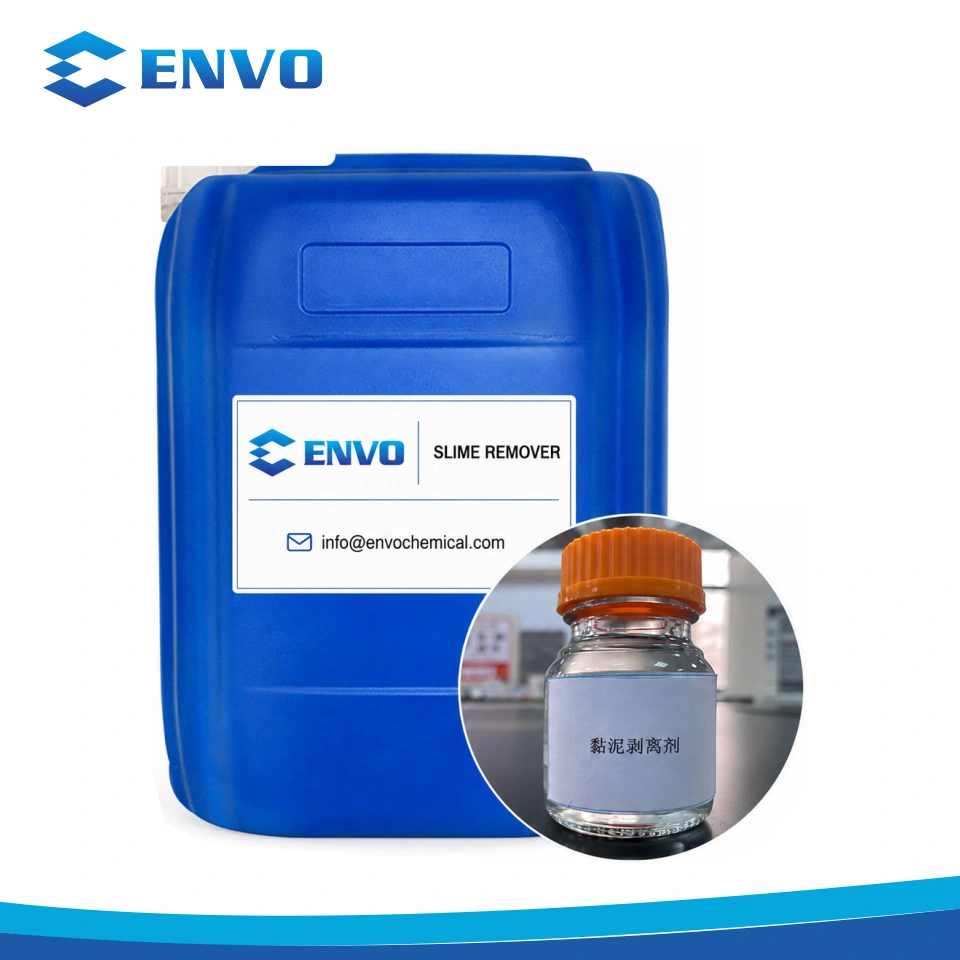
Product display design; appearance, grade and supplied packaging follow the agreed product documents.
ENVO presentation layout · Source
Disinfection & microbiological control

Biodispersant & Slime-Control Treatment

Biodispersant

A supporting chemical for industrial cooling-water biofilm and slime management, selected alongside the relevant biocide procedure.

Confirmed availableSpecialty formulations
Chemical identity
Confirm the exact composition and chemical identity against the current product SDS. A formulation or product family may not have one CAS number.
Product form
Product-specific formulation.
Add application & specification details
Application value

Uses and application conditions

Industrial microbial, slime & biofilm control

Use these checks to compare equivalent supply specifications and narrow the candidate range for your actual process.

Product selection support

Discuss water conditions, process position and current products.
Specification & document coordination

Align specification basis, test methods and grade-specific documents.

Packaging & supply coordination

Review quantity, packaging and destination requirements.

Specifications & selection

Specifications and order requirements

Discuss your current grade or operating conditions. ENVO codes identify sales requirements; manufacturer grades, supply specifications, test methods and document versions are confirmed for the selected product.

Application-specific specificationSpecialty formulations

Availability confirmed. Share the intended use, preferred form and key requirements to confirm the grade and its technical documentation.

Application conditions & technical scope

Biodispersion is not standalone biocidal action. Assess compatibility with current chemicals, materials and discharge conditions.

Appearance and supplied form

Confirm the form before comparing specifications.

Check the required form, then compare the composition, specifications and test conditions of the specific grade.

Product forms to compare

Blended biodispersant/slime-control agent, liquid or solid concentrate

Liquid may be clear, milky white or pale amber; color/transparency varies by formulation

Liquid biodispersantClear, milky white or pale amber, depending on finished product · Liquid
Solid concentrated dispersant productSpecific branded product · Solid concentrate; not an equivalent liquid substitute

Appearance information supports initial screening only. Color cannot establish chemical identity, concentration or quality grade. Confirm the actual batch using supply documents and samples.

Appearance and technical references

These public sources help check product categories, possible appearances and general application limits. They do not replace the TDS, SDS or batch COA for a specific ENVO grade.

Application issues and troubleshooting

Biodispersant & Slime-Control Treatment — troubleshooting checks

Review symptoms, possible causes and verification steps together to prepare a more focused product-selection discussion.

01Recurring slime impairs heat exchange or flow
Possible causes
Biofilm, nutrient loading and hydraulic dead zones lack coordinated control.
Investigation and resolution
Distinguish dispersion/detachment from killing; compare supporting programs with cleanliness and microbial monitoring.
Checks required
Circuit, contaminants, flow, microbes and current chemicals.
Application limits
Biodispersants mainly assist cleaning; they cannot replace every biocide and cleaning task.
02Filtration load, turbidity or foam rises after detachment
Possible causes
Released deposits exceed downstream separation capacity or interact with formulation surfactants.
Investigation and resolution
Assess detachment load, filtration capacity and downstream effects; validate the product under actual conditions.
Checks required
Filter differential pressure, turbidity, foam, flow and process location.
Application limits
Assess detachment alongside solid–liquid separation and water recovery.
03Liquid and solid concentrates are hard to interchange
Possible causes
Active components, dispersion method and dosing equipment differ.
Investigation and resolution
Specify form/equipment conditions; compare complete product information.
Checks required
Form, active basis, equipment model, storage and intended use.
Application limits
Define separate selection/acceptance conditions for solid concentrates and liquid formulations.

Need help with your current product?Share your current grade, observed issues and water-quality data. We can define comparison conditions before discussing suitable specifications.

Technical documentation

Get the information your purchasing decision needs.

TDS

Technical data sheet

Product properties, test basis and specification details.

SDS

Safety data sheet

Composition, handling, storage and transport information.

COA

Certificate of analysis

Batch-specific analytical items and results.

Scope & qualification

Certification & use documents

Review the scope for the product and destination market.

Packaging & delivery

Confirm net weight, package material, label, delivery condition and destination documents for the selected product and order.

Technical references & scope

Industry references describe general uses. Product specifications, certifications and application results require the corresponding supplier documentation.

PURCHASING QUESTIONS

More questions, answered.

Biodispersant & Slime-Control Treatment: Recurring slime impairs heat exchange or flow — what should I check?

Distinguish dispersion/detachment from killing; compare supporting programs with cleanliness and microbial monitoring.

What should I compare when buying Biodispersant & Slime-Control Treatment?

Share the application, current product, purchase quantity and delivery location to help confirm a suitable specification. Key checks include: Composition; Biocide compatibility; Materials; Discharge & operating procedure. Compare the current grade document and the same test basis before choosing an alternative.

Which documents should accompany a Biodispersant & Slime-Control Treatment enquiry?

Request the current grade-specific TDS and product SDS, the COA for the actual supplied batch, and any intended-use documents required for the destination. Share the application, specification, quantity and delivery requirements. Document version, batch coverage and public-release scope are confirmed for the specific request.

ENVO CHEMICAL

Discuss your water treatment needs

Share your application, current product or purchasing requirements to discuss a suitable supply option.

ENVO · Selection & Purchasing

Tell Us What You Need

Design preview: requirements are organized on this page only. Nothing is sent or saved to a backend.

Your Inquiry Context

Add a product or site issue, or choose an application.

Applications
Not specified. Add details below.
Treatment objective
Help confirm a suitable direction
Products of Interest
You can discuss water conditions before selecting a product.
Start with What You Know

Share water quality, process or current product details so we can discuss options and identify missing information.

Supporting filesOptional

Images, PDFs, spreadsheets and documents. Up to 5 files: 20 MB each, 50 MB total.

    Purchasing detailsOptional · Company, quantity and destination

    Email is required. Other details can follow.

    This design preview does not send automatically
    Selection, purchasing & documentsShare what you know

    ENVO

    Choose your language

    Additional languages will appear as reviewed translations become available.