Server-rack aisles, associated blue pipework and heat-exchange equipment, used as an industry or equipment reference. Process selection depends on water quality and project conditions.
Your process challenges
Chemistry matched to real operating conditions.
Balance deposit control, corrosion protection and microbial management with the materials and operating conditions of the actual loop.
Treatment approach
Closed Cooling & Process-Water Loops: understand the treatment stages first.
Focus on metal materials, makeup and leakage, temperature and coolant compatibility in closed loops. Do not directly apply an open-cooling-tower treatment program.
Check together during selection
Select separately for open, closed and chip-side circuits. Keep formulations compatible with system materials, temperatures and existing chemicals.
Compare candidate products below by treatment objective. Evaluate different routes separately; the list does not imply simultaneous dosing.
Closed Cooling & Process-Water Loops: match requirements to each treatment stage.
Compare treatment objectives, chemical functions and verification criteria stage by stage. Products in the table may be alternatives or serve different stages; they are not necessarily dosed together.
Define influent and objectives first
Share system materials, temperature, makeup water, the current coolant and equipment manufacturer requirements. This helps coordinate water chemistry, material protection and system maintenance and narrow the product and specification range.
Then confirm assessment limits
Select separately for open, closed and chip-side cooling loops. Formulations must be compatible with system materials, temperature and current chemicals.
Compare all treatment routesProduct roles, conditions and verification
Closed Cooling & Process-Water Loops: treatment objectives and product routes
Check system design, metals, seals and equipment-manufacturer requirements. Open cooling-tower chemistry must not be transferred directly to a closed loop.
View each product's function and conditions
Closed-Loop Corrosion Inhibitor
Function:Provides finished treatment formulations or coolants selected for the actual system, water quality and material protection needs. Conditions:Define the equipment loop, metals and seals, temperature, current fluid and manufacturer compatibility requirements.
Azole Copper Corrosion Inhibitor
Function:A copper corrosion-inhibitor component protects specified metals only. Conditions:Confirm raw material purchasing or full formulation design, then compare scale-forming ions, temperature, materials, concentration cycles and discharge requirements.
Closed-Loop & Liquid-Cooling Coolant
Function:Provides finished treatment formulations or coolants selected for the actual system, water quality and material protection needs. Conditions:Define the equipment loop, metals and seals, temperature, current fluid and manufacturer compatibility requirements.
View product-specific checks
Closed-Loop Corrosion Inhibitor
Closed Cooling & Process-Water Loops: Mixed metals; Makeup water; Temperature; Current coolant; Manufacturer compatibility requirements; Consider system materials, temperature, makeup water, the current coolant and equipment manufacturer requirements.
Azole Copper Corrosion Inhibitor
Closed Cooling & Process-Water Loops: Actual chemical identity; Salt form; Copper & other materials; Formulation compatibility; Consider system materials, temperature, makeup water, the current coolant and equipment manufacturer requirements.
Closed-Loop & Liquid-Cooling Coolant
Closed Cooling & Process-Water Loops: Equipment manufacturer requirements; Materials & seals; Conductivity; Water or ethylene glycol/propylene glycol system; Inspection documents; Consider system materials, temperature, makeup water, the current coolant and equipment manufacturer requirements.
Compare results using representative water samples or site data, retaining the test methods and operating conditions.
Define the cleaning objective, formulation and materials. Chelants control metal ions; they do not establish the separation of contaminant metals from wastewater.
View each product's function and conditions
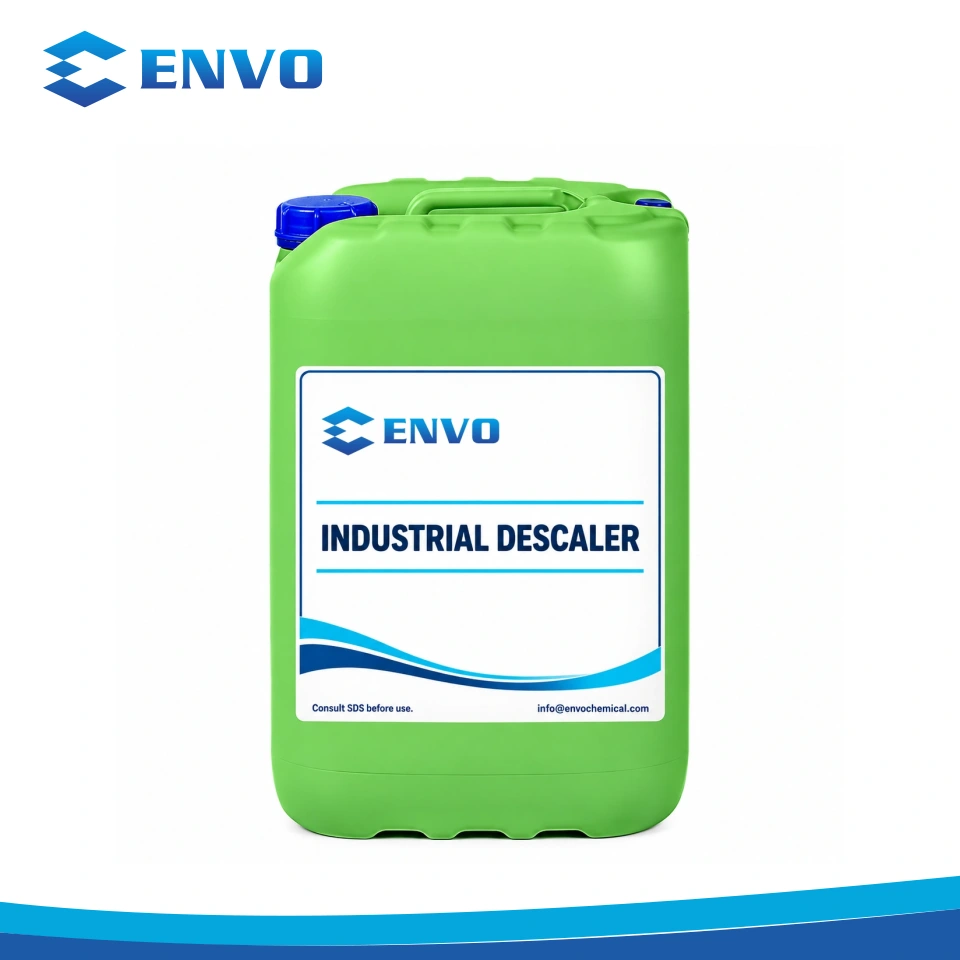
Industrial Equipment-Cleaning Formulation
Function:Finished cleaning, prefilming or membrane-maintenance formulations address defined deposits and material protection requirements. Conditions:Identify the deposit, membrane/metal materials and cleaning acceptance criteria. Compare the separate roles of acidic and alkaline cleaning products.
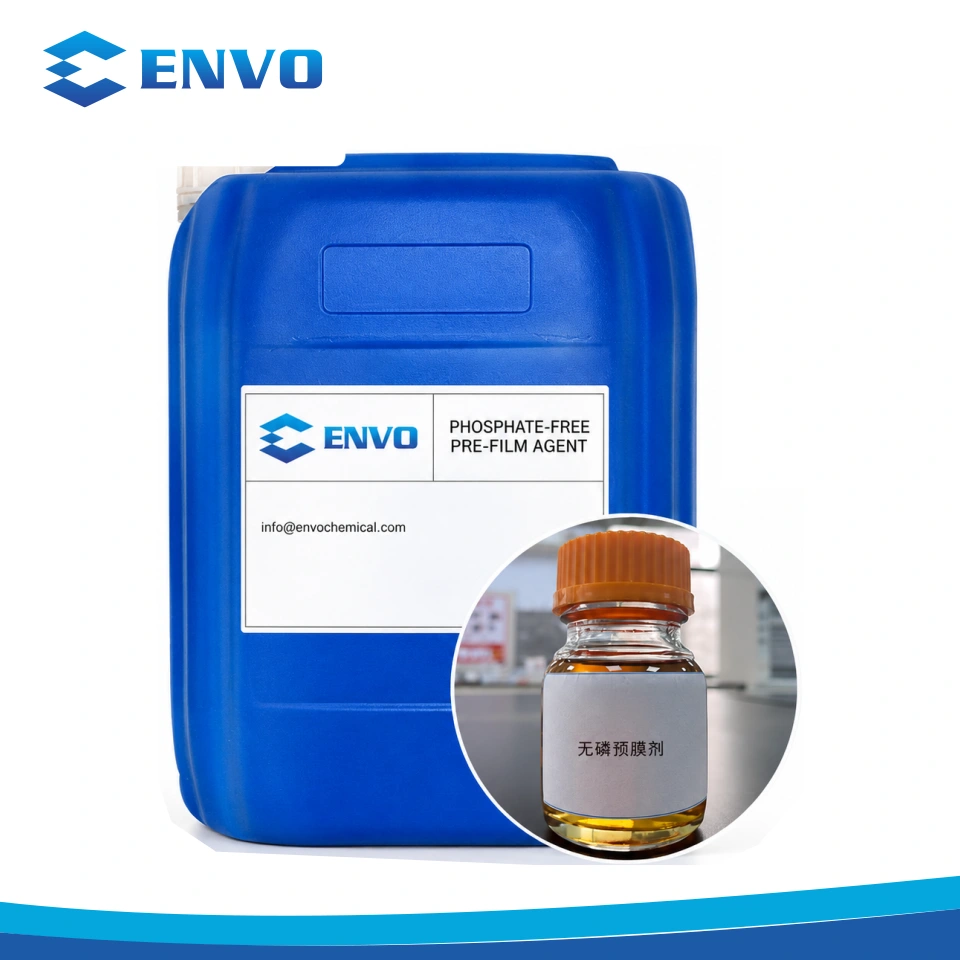
Industrial Cleaning & Prefilming Treatment
Function:Finished cleaning, prefilming or membrane-maintenance formulations address defined deposits and material protection requirements. Conditions:Identify the deposit, membrane/metal materials and cleaning acceptance criteria. Compare the separate roles of acidic and alkaline cleaning products.
Sulfamic Acid
Function:An acidic or oxidizing raw material for a manufacturer-approved cleaning procedure, selected by deposit type. Conditions:The material/membrane model, active components, pH, temperature and online/offline procedure must comply with the equipment documents.
Citric Acid
Function:An acidic or oxidizing raw material for a manufacturer-approved cleaning procedure, selected by deposit type. Conditions:The material/membrane model, active components, pH, temperature and online/offline procedure must comply with the equipment documents.
Sodium Gluconate
Function:Complexes metal ions in cleaning or formulations to help control certain deposits. This does not mean metals have been separated from wastewater. Conditions:Define deposit or contaminant analysis, actual salt form and compatibility with cleaning or membrane materials.
Ethylenediaminetetraacetic Acid
Function:Complexes metal ions in cleaning or formulations to help control certain deposits. This does not mean metals have been separated from wastewater. Conditions:Define deposit or contaminant analysis, actual salt form and compatibility with cleaning or membrane materials.
Disodium EDTA
Function:Complexes metal ions in cleaning or formulations to help control certain deposits. This does not mean metals have been separated from wastewater. Conditions:Define deposit or contaminant analysis, actual salt form and compatibility with cleaning or membrane materials.
Tetrasodium EDTA
Function:Complexes metal ions in cleaning or formulations to help control certain deposits. This does not mean metals have been separated from wastewater. Conditions:Define deposit or contaminant analysis, actual salt form and compatibility with cleaning or membrane materials.
Glutamic Acid Diacetic Acid & Salts
Function:Complexes metal ions in cleaning or formulations to help control certain deposits. This does not mean metals have been separated from wastewater. Conditions:Define deposit or contaminant analysis, actual salt form and compatibility with cleaning or membrane materials.
Methylglycine Diacetic Acid & Salts
Function:Complexes metal ions in cleaning or formulations to help control certain deposits. This does not mean metals have been separated from wastewater. Conditions:Define deposit or contaminant analysis, actual salt form and compatibility with cleaning or membrane materials.
Iminodisuccinate Salts
Function:Complexes metal ions in cleaning or formulations to help control certain deposits. This does not mean metals have been separated from wastewater. Conditions:Define deposit or contaminant analysis, actual salt form and compatibility with cleaning or membrane materials.
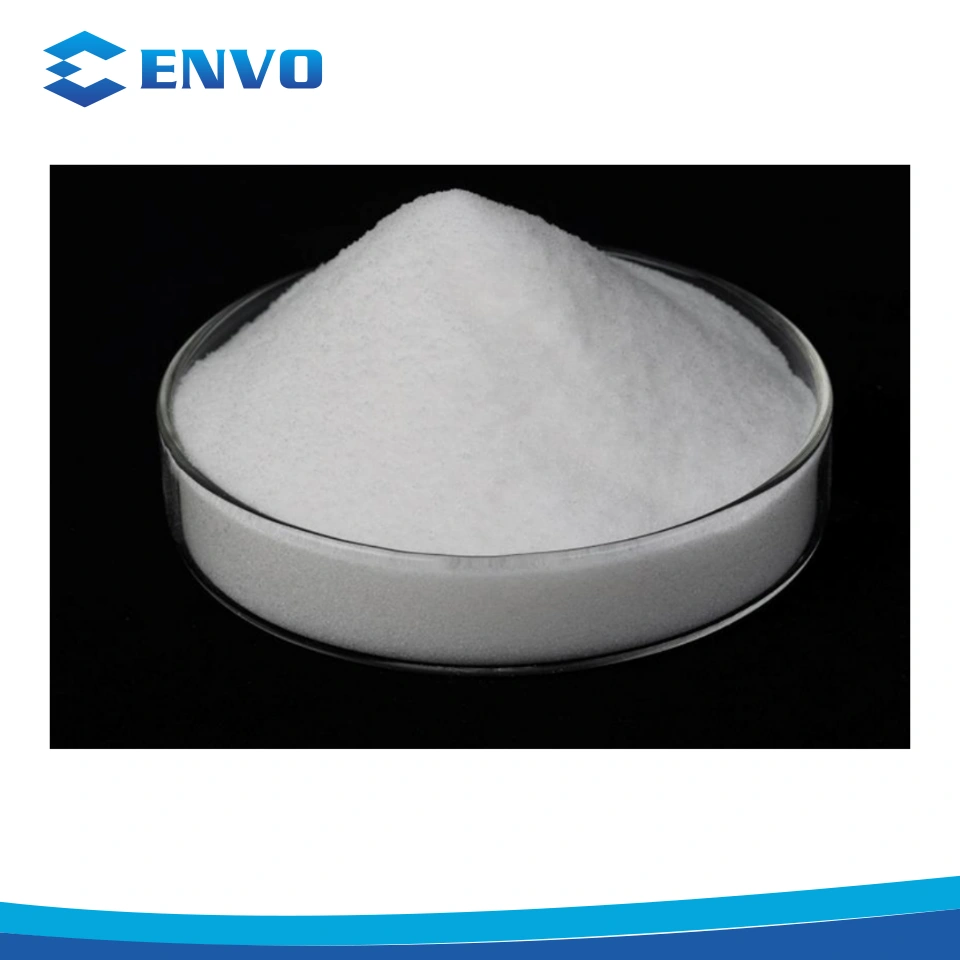
Sodium Tripolyphosphate
Function:A dispersing, alkaline or metal-ion-control component in specified cleaning formulations. Conditions:Define the complete cleaning formulation, materials and spent-solution disposal. A raw material name alone does not define a ready-to-use cleaning procedure.
Trisodium Phosphate
Function:A dispersing, alkaline or metal-ion-control component in specified cleaning formulations. Conditions:Define the complete cleaning formulation, materials and spent-solution disposal. A raw material name alone does not define a ready-to-use cleaning procedure.
View product-specific checks
Industrial Equipment-Cleaning Formulation
Closed Cooling & Process-Water Loops: Deposit analysis; Actual formulation; Materials; Cleaning method; Spent cleaning solution treatment; Consider system materials, temperature, makeup water, the current coolant and equipment manufacturer requirements.
Industrial Cleaning & Prefilming Treatment
Closed Cooling & Process-Water Loops: Equipment materials; Deposit analysis; Formulation; Cleaning & prefilming acceptance criteria; Consider system materials, temperature, makeup water, the current coolant and equipment manufacturer requirements.
Sulfamic Acid
Closed Cooling & Process-Water Loops: Deposit analysis; Materials; Acid purity; Corrosion inhibition & post-treatment; Consider system materials, temperature, makeup water, the current coolant and equipment manufacturer requirements.
Citric Acid
Closed Cooling & Process-Water Loops: Anhydrous or hydrated state; Content; Impurities; Membrane & material compatibility conditions; Consider system materials, temperature, makeup water, the current coolant and equipment manufacturer requirements.
Sodium Gluconate
Closed Cooling & Process-Water Loops: Content; Reducing substances; Impurities; pH test concentration & temperature; Consider system materials, temperature, makeup water, the current coolant and equipment manufacturer requirements.
Ethylenediaminetetraacetic Acid
Closed Cooling & Process-Water Loops: Content & reporting basis; Dissolution conditions; Iron & other impurities; Chelation value units & method; Consider system materials, temperature, makeup water, the current coolant and equipment manufacturer requirements.
Disodium EDTA
Closed Cooling & Process-Water Loops: Hydration form; Content reporting basis; Chelation value; pH test conditions; NTA & other impurities; Consider system materials, temperature, makeup water, the current coolant and equipment manufacturer requirements.
Tetrasodium EDTA
Closed Cooling & Process-Water Loops: Hydration form; Content measurement basis; pH conditions; Chelation value & method; Impurities; Consider system materials, temperature, makeup water, the current coolant and equipment manufacturer requirements.
Glutamic Acid Diacetic Acid & Salts
Closed Cooling & Process-Water Loops: Actual salt form; Active components; Chelation capacity test conditions; Biodegradation or end-use documents; Consider system materials, temperature, makeup water, the current coolant and equipment manufacturer requirements.
Methylglycine Diacetic Acid & Salts
Closed Cooling & Process-Water Loops: Actual salt form; Active components; Chelation capacity test conditions; Biodegradation or end-use documents; Consider system materials, temperature, makeup water, the current coolant and equipment manufacturer requirements.
Iminodisuccinate Salts
Closed Cooling & Process-Water Loops: Actual salt form; Active components; Chelation capacity test conditions; Biodegradation or end-use documents; Consider system materials, temperature, makeup water, the current coolant and equipment manufacturer requirements.
Sodium Tripolyphosphate
Closed Cooling & Process-Water Loops: STPP content; P₂O₅; Form; Bulk density; Insoluble matter; End-use requirements; Consider system materials, temperature, makeup water, the current coolant and equipment manufacturer requirements.
Trisodium Phosphate
Closed Cooling & Process-Water Loops: Hydration state; Content measurement basis; P₂O₅; Insoluble matter; End-use requirements; Consider system materials, temperature, makeup water, the current coolant and equipment manufacturer requirements.
Compare results using representative water samples or site data, retaining the test methods and operating conditions.
Need to compare these routes under your operating conditions?Share influent quality, treatment objectives and the existing process to discuss which products and conditions should be validated first.
Process & product matching
Select a treatment objective to explore suitable products.
Different treatment routes may apply. Open the matching notes for each product to review its role, conditions and purchasing criteria.
Select separately for open, closed and chip-side cooling loops. Formulations must be compatible with system materials, temperature and current chemicals.
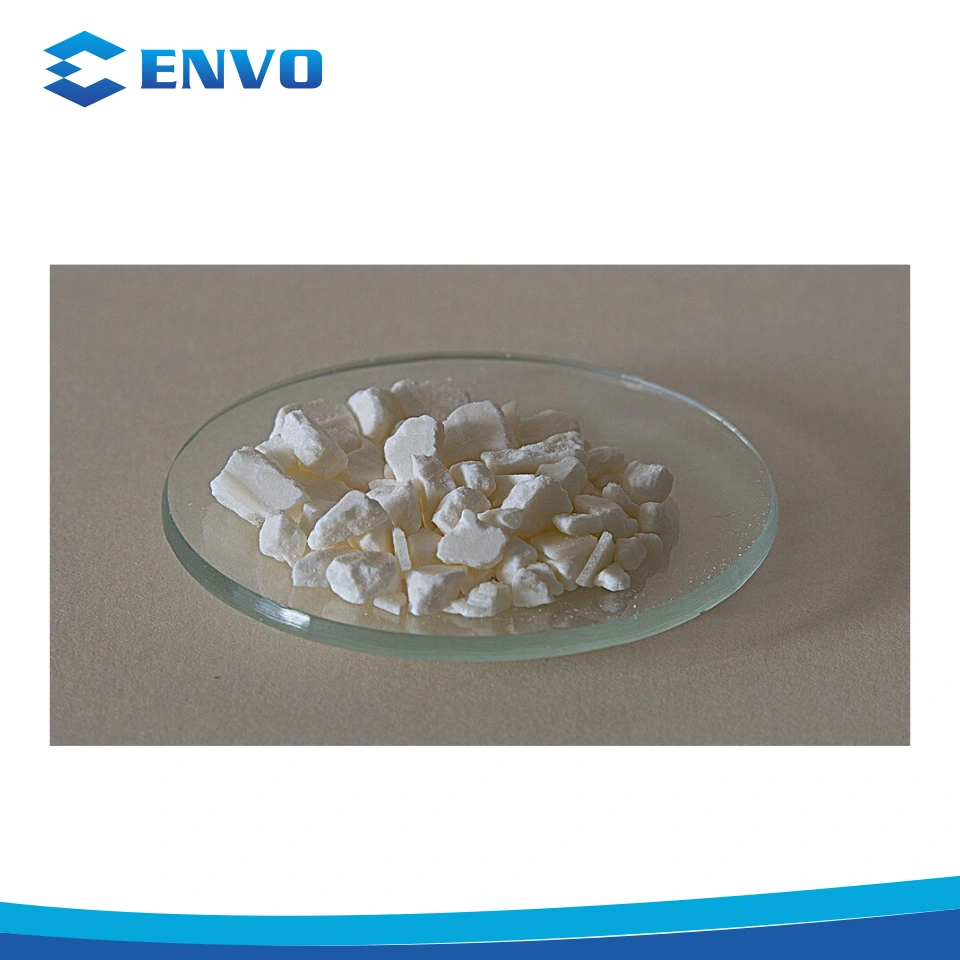
A corrosion-inhibitor component for copper and copper-alloy systems, used within a complete industrial water treatment formulation.
Why this matchesConditional option
Role
A copper corrosion-inhibitor component protects specified metals only.
Conditions
Confirm raw material purchasing or full formulation design, then compare scale-forming ions, temperature, materials, concentration cycles and discharge requirements.
Before purchase
Closed Cooling & Process-Water Loops: Actual chemical identity; Salt form; Copper & other materials; Formulation compatibility; Consider system materials, temperature, makeup water, the current coolant and equipment manufacturer requirements.
An organic acid raw material for specified membrane or equipment cleaning procedures.
Why this matchesConditional option
Role
An acidic or oxidizing raw material for a manufacturer-approved cleaning procedure, selected by deposit type.
Conditions
The material/membrane model, active components, pH, temperature and online/offline procedure must comply with the equipment documents.
Before purchase
Closed Cooling & Process-Water Loops: Anhydrous or hydrated state; Content; Impurities; Membrane & material compatibility conditions; Consider system materials, temperature, makeup water, the current coolant and equipment manufacturer requirements.
An EDTA acid chelating raw material for metal-ion management in cleaning and industrial formulations.
Why this matchesConditional option
Role
Complexes metal ions in cleaning or formulations to help control certain deposits. This does not mean metals have been separated from wastewater.
Conditions
Define deposit or contaminant analysis, actual salt form and compatibility with cleaning or membrane materials.
Before purchase
Closed Cooling & Process-Water Loops: Content & reporting basis; Dissolution conditions; Iron & other impurities; Chelation value units & method; Consider system materials, temperature, makeup water, the current coolant and equipment manufacturer requirements.
Disodium EDTA for metal-ion control in suitable cleaning and formulation systems.
Why this matchesConditional option
Role
Complexes metal ions in cleaning or formulations to help control certain deposits. This does not mean metals have been separated from wastewater.
Conditions
Define deposit or contaminant analysis, actual salt form and compatibility with cleaning or membrane materials.
Before purchase
Closed Cooling & Process-Water Loops: Hydration form; Content reporting basis; Chelation value; pH test conditions; NTA & other impurities; Consider system materials, temperature, makeup water, the current coolant and equipment manufacturer requirements.
A GLDA chelating raw material for metal-ion control in suitable cleaning and formulation systems.
Why this matchesConditional option
Role
Complexes metal ions in cleaning or formulations to help control certain deposits. This does not mean metals have been separated from wastewater.
Conditions
Define deposit or contaminant analysis, actual salt form and compatibility with cleaning or membrane materials.
Before purchase
Closed Cooling & Process-Water Loops: Actual salt form; Active components; Chelation capacity test conditions; Biodegradation or end-use documents; Consider system materials, temperature, makeup water, the current coolant and equipment manufacturer requirements.
An MGDA chelating raw material for metal-ion control in suitable cleaning and formulation systems.
Why this matchesConditional option
Role
Complexes metal ions in cleaning or formulations to help control certain deposits. This does not mean metals have been separated from wastewater.
Conditions
Define deposit or contaminant analysis, actual salt form and compatibility with cleaning or membrane materials.
Before purchase
Closed Cooling & Process-Water Loops: Actual salt form; Active components; Chelation capacity test conditions; Biodegradation or end-use documents; Consider system materials, temperature, makeup water, the current coolant and equipment manufacturer requirements.
An IDS chelating raw material for metal-ion control in suitable cleaning and formulation systems.
Why this matchesConditional option
Role
Complexes metal ions in cleaning or formulations to help control certain deposits. This does not mean metals have been separated from wastewater.
Conditions
Define deposit or contaminant analysis, actual salt form and compatibility with cleaning or membrane materials.
Before purchase
Closed Cooling & Process-Water Loops: Actual salt form; Active components; Chelation capacity test conditions; Biodegradation or end-use documents; Consider system materials, temperature, makeup water, the current coolant and equipment manufacturer requirements.
A polyphosphate component for cleaning and related industrial formulations, supporting metal-ion control and dispersion.
Why this matchesConditional option
Role
A dispersing, alkaline or metal-ion-control component in specified cleaning formulations.
Conditions
Define the complete cleaning formulation, materials and spent-solution disposal. A raw material name alone does not define a ready-to-use cleaning procedure.
Before purchase
Closed Cooling & Process-Water Loops: STPP content; P₂O₅; Form; Bulk density; Insoluble matter; End-use requirements; Consider system materials, temperature, makeup water, the current coolant and equipment manufacturer requirements.
A phosphate raw material for suitable boiler treatment, cleaning and industrial formulation procedures.
Why this matchesConditional option
Role
A dispersing, alkaline or metal-ion-control component in specified cleaning formulations.
Conditions
Define the complete cleaning formulation, materials and spent-solution disposal. A raw material name alone does not define a ready-to-use cleaning procedure.
Before purchase
Closed Cooling & Process-Water Loops: Hydration state; Content measurement basis; P₂O₅; Insoluble matter; End-use requirements; Consider system materials, temperature, makeup water, the current coolant and equipment manufacturer requirements.
Confirmed available
Let’s review this combination
Try another objective or product type, or send us your operating conditions.
Industry references describe general uses. Product specifications, certifications and application results require the corresponding supplier documentation.
PURCHASING QUESTIONS
More questions, answered.
How should I select water-treatment products for Closed Cooling & Process-Water Loops?
Closed systems have different material, makeup-water and formulation-compatibility requirements from open cooling towers.
What information helps select products for this application?
Share system materials, temperature, makeup water, the current coolant and equipment manufacturer requirements. This helps coordinate water chemistry, material protection and system maintenance and narrow the product and specification range.
How are the suitable product and grade confirmed?
Select separately for open, closed and chip-side cooling loops. Formulations must be compatible with system materials, temperature and current chemicals. No universal dose or treatment result is implied. Product options may serve primary, supporting, conditional or alternative roles.
ENVO CHEMICAL
Discuss your water treatment needs
Share your application, current product or purchasing requirements to discuss a suitable supply option.
Selection, purchasing & documentsShare what you know


 Specialty formulations