
Product selection support
Discuss water conditions, process position and current products.
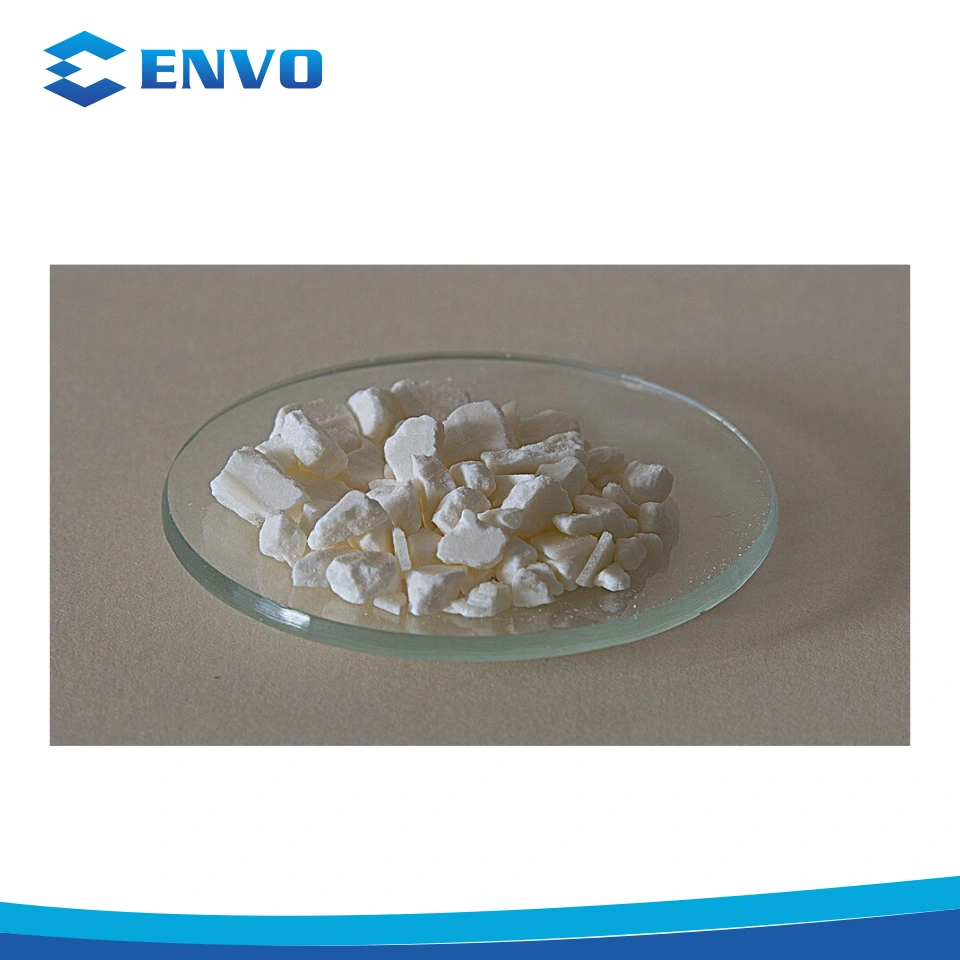
Copper-protection azole
A corrosion-inhibitor component for copper and copper-alloy systems, used within a complete industrial water treatment formulation.
Cooling-water scale & corrosion control; Closed-loop corrosion protection & coolants
Use these checks to compare equivalent supply specifications and narrow the candidate range for your actual process.
Discuss water conditions, process position and current products.
Align specification basis, test methods and grade-specific documents.
Review quantity, packaging and destination requirements.
Discuss your current grade or operating conditions. ENVO codes identify sales requirements; manufacturer grades, supply specifications, test methods and document versions are confirmed for the selected product.
Availability confirmed. Share the intended use, preferred form and key requirements to confirm the grade and its technical documentation.
Copper protection is one function in a complete system. Confirm BTA, TTA and their salt forms separately; they are not universal inhibitors for every metal.
Check the required form, then compare the composition, specifications and test conditions of the specific grade.
BTA/TTA solids usually white to pale yellow; sodium-salt solution color varies by components/grade
Appearance information supports initial screening only. Color cannot establish chemical identity, concentration or quality grade. Confirm the actual batch using supply documents and samples.
These public sources help check product categories, possible appearances and general application limits. They do not replace the TDS, SDS or batch COA for a specific ENVO grade.
BTA sodium solution pale yellow to yellow; suspected CAS typo on this page, so identity number not cited
BTA white-to-pale-yellow fine granules; copper/copper-alloy corrosion-inhibition use
TTA may be pale-yellow-to-off-white granules or powder, distinct from salt solutions
English: Benzotriazole in granular form
Review symptoms, possible causes and verification steps together to prepare a more focused product-selection discussion.
Product properties, test basis and specification details.
Composition, handling, storage and transport information.
Batch-specific analytical items and results.
Review the scope for the product and destination market.
Confirm net weight, package material, label, delivery condition and destination documents for the selected product and order.
Industry references describe general uses. Product specifications, certifications and application results require the corresponding supplier documentation.
Use water samples and surface condition to assess BTA, TTA and salts within the overall corrosion-control program.
Share the application, current product, purchase quantity and delivery location to help confirm a suitable specification. Key checks include: Actual active substance, assay, solubility, metallurgy and formulation compatibility. Compare the current grade document and the same test basis before choosing an alternative.
Request the current grade-specific TDS and product SDS, the COA for the actual supplied batch, and any intended-use documents required for the destination. Share the application, specification, quantity and delivery requirements. Document version, batch coverage and public-release scope are confirmed for the specific request.
Share your application, current product or purchasing requirements to discuss a suitable supply option.