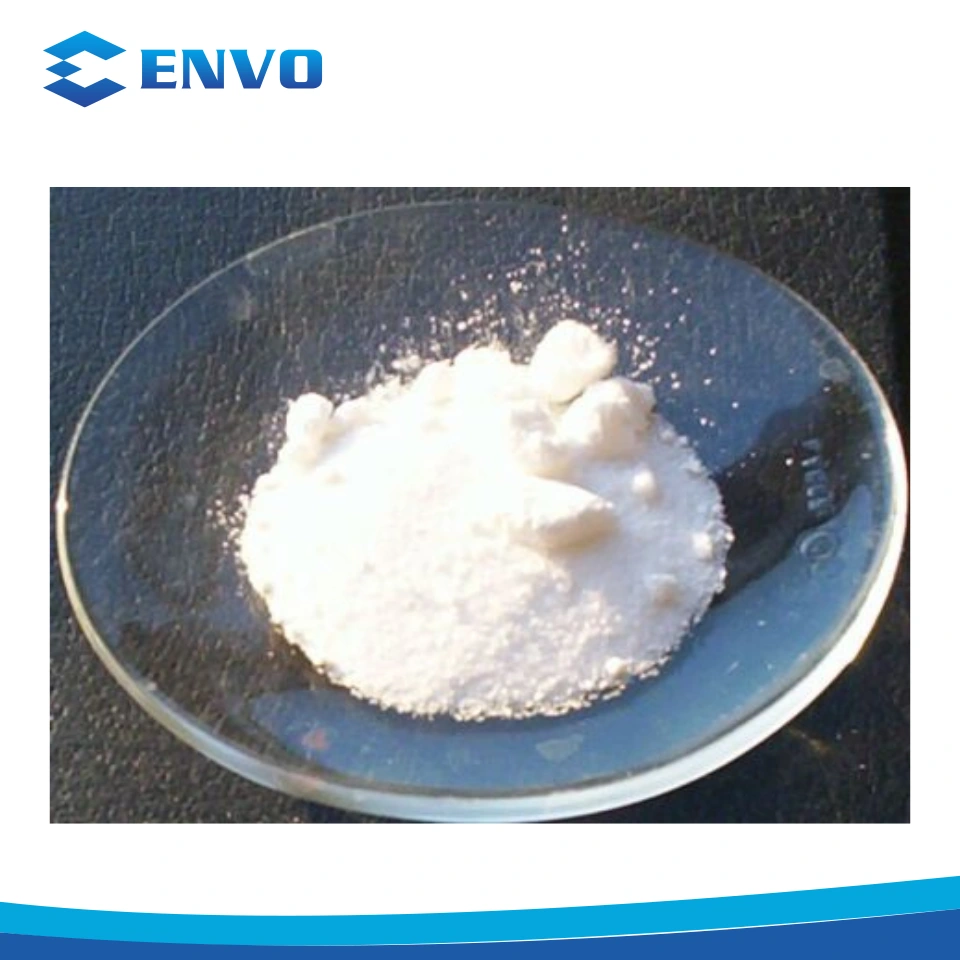
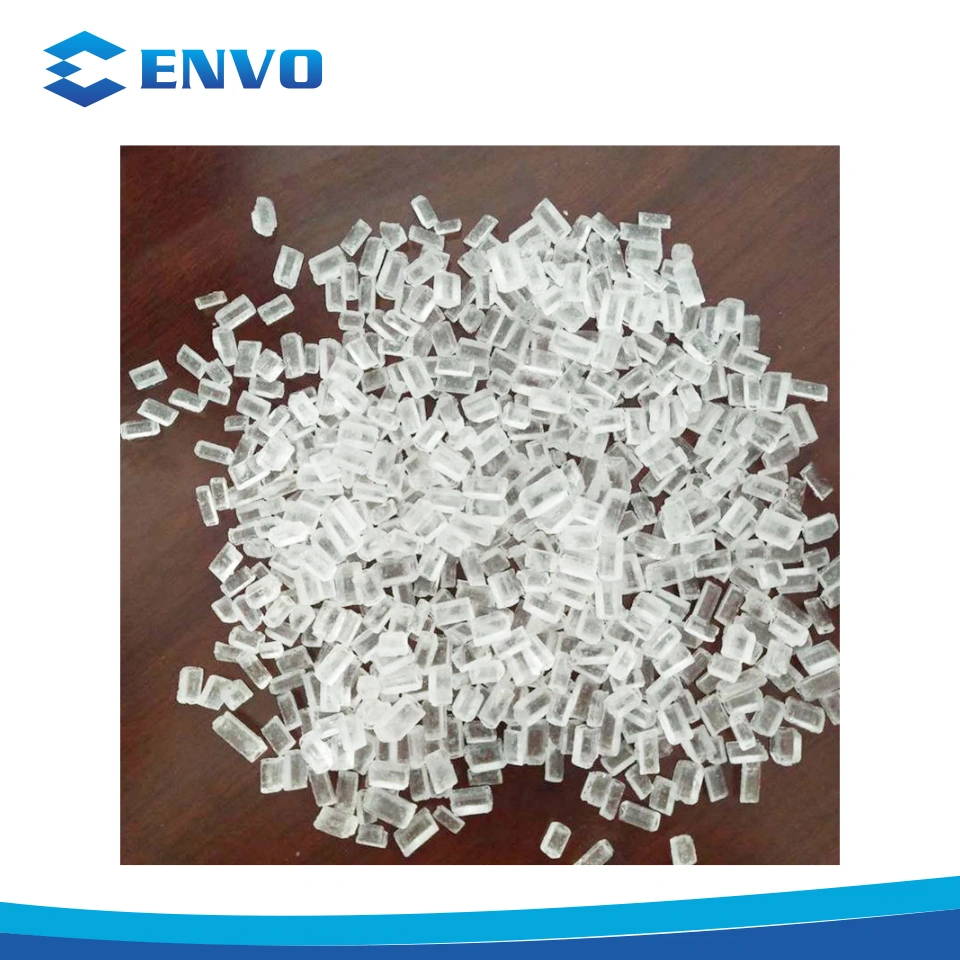
Filter media & filter aids; Chlorine or engineered chlorine-dioxide treatment; Residual-chlorine reduction & dechlorination
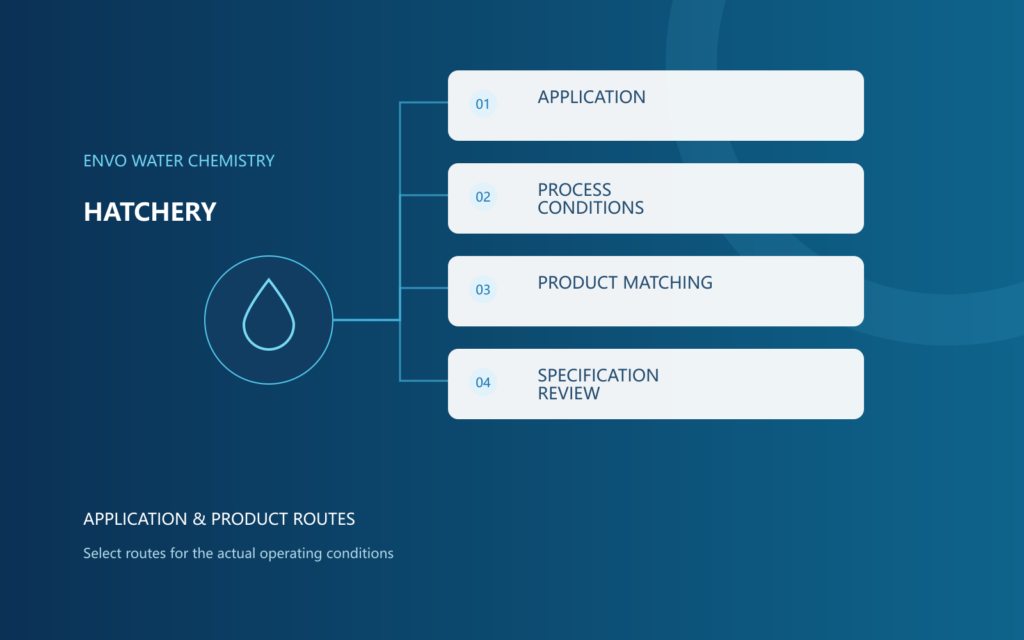
Hatchery Intake, Discharge & Isolated Circuits: treatment requirements and optional routes. Branches do not represent a complete process or a requirement to dose products together. Process selection depends on water quality and project conditions.
Your process challenges
Chemistry matched to real operating conditions.
Coordinate the designated chemical with the actual water circuit, equipment and use-specific requirements.
Design hatchery intake, isolated disinfection and discharge separately. Check residuals and dechlorination after contact where needed; disinfectants must not be presented as universal additives for water containing live stock.
Check together during selection
Assess intake, discharge and live-organism-contact circuits separately. Follow specified uses and residual requirements for disinfection and dechlorination; discharge procedures must not be applied directly to water containing cultured organisms.
Compare candidate products below by treatment objective. Evaluate different routes separately; the list does not imply simultaneous dosing.
Hatchery Intake, Discharge & Isolated Circuits: match requirements to each treatment stage.
Compare treatment objectives, chemical functions and verification criteria stage by stage. Products in the table may be alternatives or serve different stages; they are not necessarily dosed together.
Define influent and objectives first
Share intake or discharge circuits, contact with live organisms, equipment, monitoring and locally approved uses. This helps select products for separate circuits and final uses and narrow the product and specification range.
Then confirm assessment limits
Assess intake, discharge and live-organism-contact circuits separately. Disinfection and dechlorination must follow the designated use and residual requirements; discharge procedures must not be directly transferred to culture water containing live organisms.
Compare all treatment routesProduct roles, conditions and verification
Confirm the filter design, particle-size distribution, allowable pressure drop and final water use before selecting a medium or filter aid.
View each product's function and conditions
Sand / Anthracite Filtration Media
Function:Improves particle separation through filter-bed retention or an equipment-compatible filter-aid layer. Conditions:Define filter structure, particle grading, pressure differential, backwashing and final water use. Sand filtration does not equate to dissolved-ion removal.
Diatomite / Perlite Filter Aids
Function:Improves particle separation through filter-bed retention or an equipment-compatible filter-aid layer. Conditions:Define filter structure, particle grading, pressure differential, backwashing and final water use. Sand filtration does not equate to dissolved-ion removal.
View product-specific checks
Sand / Anthracite Filtration Media
Hatchery Intake, Discharge & Isolated Circuits: Media composition; Particle size & grading; Treatment objective; Capacity or performance test conditions; End-use documents; Consider intake or discharge circuits, contact with live organisms, equipment, monitoring and locally approved uses.
Diatomite / Perlite Filter Aids
Hatchery Intake, Discharge & Isolated Circuits: Media composition; Particle size & grading; Treatment objective; Capacity or performance test conditions; End-use documents; Consider intake or discharge circuits, contact with live organisms, equipment, monitoring and locally approved uses.
Compare results using representative water samples or site data, retaining the test methods and operating conditions.
Chlorine or engineered chlorine-dioxide treatmentDisinfection & microbiological controlFilter by this objective
Match the chemical to the intended use, generation equipment and monitoring plan. Sodium chlorite is a precursor for an engineered process, not an interchangeable direct chlorine source.
View each product's function and conditions
Sodium Hypochlorite
Function:Provides active substances or finished formulations for microbial control in the relevant water system. Different actives require separate assessment. Conditions:Match product-specific end-use documents, target microorganisms, materials, contact procedure and residual control to the water system.
Calcium Hypochlorite
Function:Provides active substances or finished formulations for microbial control in the relevant water system. Different actives require separate assessment. Conditions:Match product-specific end-use documents, target microorganisms, materials, contact procedure and residual control to the water system.
Sodium Chlorite Solution
Function:A sodium chlorite precursor for an approved generation system, not a general directly dosed chlorine source. Conditions:Define the generator-specified precursor, actual concentration, intended use and monitoring documents.
Sodium Chlorite Solid
Function:A sodium chlorite precursor for an approved generation system, not a general directly dosed chlorine source. Conditions:Define the generator-specified precursor, actual concentration, intended use and monitoring documents.
Engineered Chlorine-Dioxide Treatment
Function:Coordinates chemicals and documents for a specified system, keeping engineered procedures distinct from general stock chemicals. Conditions:Define the project, specified system, approved use and residual/by-product monitoring. This does not establish equipment manufacture or system approval. Engineering items cover supporting requirements and chemical coordination only; they do not establish equipment manufacturing, installation or system approval.
View product-specific checks
Sodium Hypochlorite
Hatchery Intake, Discharge & Isolated Circuits: Available chlorine as mass fraction or g/L; Concentration at delivery; Free alkali; Impurities; Storage and transport time & conditions; Consider intake or discharge circuits, contact with live organisms, equipment, monitoring and locally approved uses.
Calcium Hypochlorite
Hatchery Intake, Discharge & Isolated Circuits: Available chlorine; Insoluble matter; Moisture; Particle form; Labels & transport documents; Consider intake or discharge circuits, contact with live organisms, equipment, monitoring and locally approved uses.
Sodium Chlorite Solution
Hatchery Intake, Discharge & Isolated Circuits: NaClO₂ content & measurement basis; Chlorate; Alkali & salt impurities; System requirements; Consider intake or discharge circuits, contact with live organisms, equipment, monitoring and locally approved uses.
Sodium Chlorite Solid
Hatchery Intake, Discharge & Isolated Circuits: NaClO₂ content; Chlorate; Impurities; Packaging; Safety & transport documents; Consider intake or discharge circuits, contact with live organisms, equipment, monitoring and locally approved uses.
Engineered Chlorine-Dioxide Treatment
Hatchery Intake, Discharge & Isolated Circuits: Generation system requirements; Specified precursor; End-use documents; Monitoring & residual assessment; Consider intake or discharge circuits, contact with live organisms, equipment, monitoring and locally approved uses.
Compare results using representative water samples or site data, retaining the test methods and operating conditions.
Specify how the oxidant is measured, the treatment location, monitoring method and downstream use. Reducing agents are not automatically interchangeable.
View each product's function and conditions
Sodium Metabisulfite
Function:The corresponding reducing component controls measured residual chlorine or another specified residual oxidant. Conditions:Define the oxidant species and measurement basis, process location, downstream membrane/biological use and residual monitoring.
Sodium Thiosulfate
Function:The corresponding reducing component controls measured residual chlorine or another specified residual oxidant. Conditions:Define the oxidant species and measurement basis, process location, downstream membrane/biological use and residual monitoring.
Sodium Bisulfite
Function:The corresponding reducing component controls measured residual chlorine or another specified residual oxidant. Conditions:Define the oxidant species and measurement basis, process location, downstream membrane/biological use and residual monitoring.
Sodium Sulfite
Function:The corresponding reducing component controls measured residual chlorine or another specified residual oxidant. Conditions:Define the oxidant species and measurement basis, process location, downstream membrane/biological use and residual monitoring.
View product-specific checks
Sodium Metabisulfite
Hatchery Intake, Discharge & Isolated Circuits: Na₂S₂O₅ content; Impurities; Solution preparation & storage requirements; Sampling & monitoring; Membrane supplier requirements; Consider intake or discharge circuits, contact with live organisms, equipment, monitoring and locally approved uses.
Sodium Thiosulfate
Hatchery Intake, Discharge & Isolated Circuits: Pentahydrate/anhydrous basis; Content; Insoluble matter; Impurities; Reaction & monitoring conditions; Consider intake or discharge circuits, contact with live organisms, equipment, monitoring and locally approved uses.
Sodium Bisulfite
Hatchery Intake, Discharge & Isolated Circuits: Active reducing component; Solution content basis; Impurities; Monitoring & process conditions; Consider intake or discharge circuits, contact with live organisms, equipment, monitoring and locally approved uses.
Sodium Sulfite
Hatchery Intake, Discharge & Isolated Circuits: Salt form; Active components; Catalyst system; System temperature & end use; Consider intake or discharge circuits, contact with live organisms, equipment, monitoring and locally approved uses.
Compare results using representative water samples or site data, retaining the test methods and operating conditions.
Need to compare these routes under your operating conditions?Share influent quality, treatment objectives and the existing process to discuss which products and conditions should be validated first.
Process & product matching
Select a treatment objective to explore suitable products.
Different treatment routes may apply. Open the matching notes for each product to review its role, conditions and purchasing criteria.
Assess intake, discharge and live-organism-contact circuits separately. Disinfection and dechlorination must follow the designated use and residual requirements; discharge procedures must not be directly transferred to culture water containing live organisms.
Sand, anthracite and other filtration materials for particle separation in raw water and industrial water.
Why this matchesConditional option
Role
Improves particle separation through filter-bed retention or an equipment-compatible filter-aid layer.
Conditions
Define filter structure, particle grading, pressure differential, backwashing and final water use. Sand filtration does not equate to dissolved-ion removal.
Before purchase
Hatchery Intake, Discharge & Isolated Circuits: Media composition; Particle size & grading; Treatment objective; Capacity or performance test conditions; End-use documents; Consider intake or discharge circuits, contact with live organisms, equipment, monitoring and locally approved uses.
Diatomite or perlite filter aids for suitable filtration equipment, supporting filter-layer formation and particle retention.
Why this matchesConditional option
Role
Improves particle separation through filter-bed retention or an equipment-compatible filter-aid layer.
Conditions
Define filter structure, particle grading, pressure differential, backwashing and final water use. Sand filtration does not equate to dissolved-ion removal.
Before purchase
Hatchery Intake, Discharge & Isolated Circuits: Media composition; Particle size & grading; Treatment objective; Capacity or performance test conditions; End-use documents; Consider intake or discharge circuits, contact with live organisms, equipment, monitoring and locally approved uses.
A chlorine source for suitable disinfection steps in water supply, wastewater and industrial water, compatible with liquid dosing arrangements.
Why this matchesConditional option
Role
Provides active substances or finished formulations for microbial control in the relevant water system. Different actives require separate assessment.
Conditions
Match product-specific end-use documents, target microorganisms, materials, contact procedure and residual control to the water system.
Before purchase
Hatchery Intake, Discharge & Isolated Circuits: Available chlorine as mass fraction or g/L; Concentration at delivery; Free alkali; Impurities; Storage and transport time & conditions; Consider intake or discharge circuits, contact with live organisms, equipment, monitoring and locally approved uses.
A liquid precursor for an engineered chlorine-dioxide generation system, specified against the generator's required raw materials and delivery requirements.
Why this matchesConditional option
Role
A sodium chlorite precursor for an approved generation system, not a general directly dosed chlorine source.
Conditions
Define the generator-specified precursor, actual concentration, intended use and monitoring documents.
Before purchase
Hatchery Intake, Discharge & Isolated Circuits: NaClO₂ content & measurement basis; Chlorate; Alkali & salt impurities; System requirements; Consider intake or discharge circuits, contact with live organisms, equipment, monitoring and locally approved uses.
Organize precursor, supporting chemical and document requirements around the specified chlorine-dioxide system so purchasing matches the equipment procedure.
Why this matchesConditional option
Role
Coordinates chemicals and documents for a specified system, keeping engineered procedures distinct from general stock chemicals.
Conditions
Define the project, specified system, approved use and residual/by-product monitoring. This does not establish equipment manufacture or system approval. Engineering items cover supporting requirements and chemical coordination only; they do not establish equipment manufacturing, installation or system approval.
Before purchase
Hatchery Intake, Discharge & Isolated Circuits: Generation system requirements; Specified precursor; End-use documents; Monitoring & residual assessment; Consider intake or discharge circuits, contact with live organisms, equipment, monitoring and locally approved uses.
A sulfite raw material for suitable dechlorination and industrial oxygen-scavenging procedures.
Why this matchesConditional option
Role
The corresponding reducing component controls measured residual chlorine or another specified residual oxidant.
Conditions
Define the oxidant species and measurement basis, process location, downstream membrane/biological use and residual monitoring.
Before purchase
Hatchery Intake, Discharge & Isolated Circuits: Salt form; Active components; Catalyst system; System temperature & end use; Consider intake or discharge circuits, contact with live organisms, equipment, monitoring and locally approved uses.
Confirmed available
Let’s review this combination
Try another objective or product type, or send us your operating conditions.
Industry references describe general uses. Product specifications, certifications and application results require the corresponding supplier documentation.
PURCHASING QUESTIONS
More questions, answered.
How should I select water-treatment products for Hatchery Intake, Discharge & Isolated Circuits?
Intake/discharge isolation, filtration, disinfection and dechlorination are separate stages. Wastewater-discharge procedures must not be transferred directly to water containing live organisms.
What information helps select products for this application?
Assess intake, discharge and live-organism-contact circuits separately. Disinfection and dechlorination must follow the designated use and residual requirements; discharge procedures must not be directly transferred to culture water containing live organisms. No universal dose or treatment result is implied. Product options may serve primary, supporting, conditional or alternative roles. No live-animal medication or generic aquaculture dose is recommended.
ENVO CHEMICAL
Discuss your water treatment needs
Share your application, current product or purchasing requirements to discuss a suitable supply option.
Selection, purchasing & documentsShare what you know

 Media & resins