
Product selection support
Discuss water conditions, process position and current products.
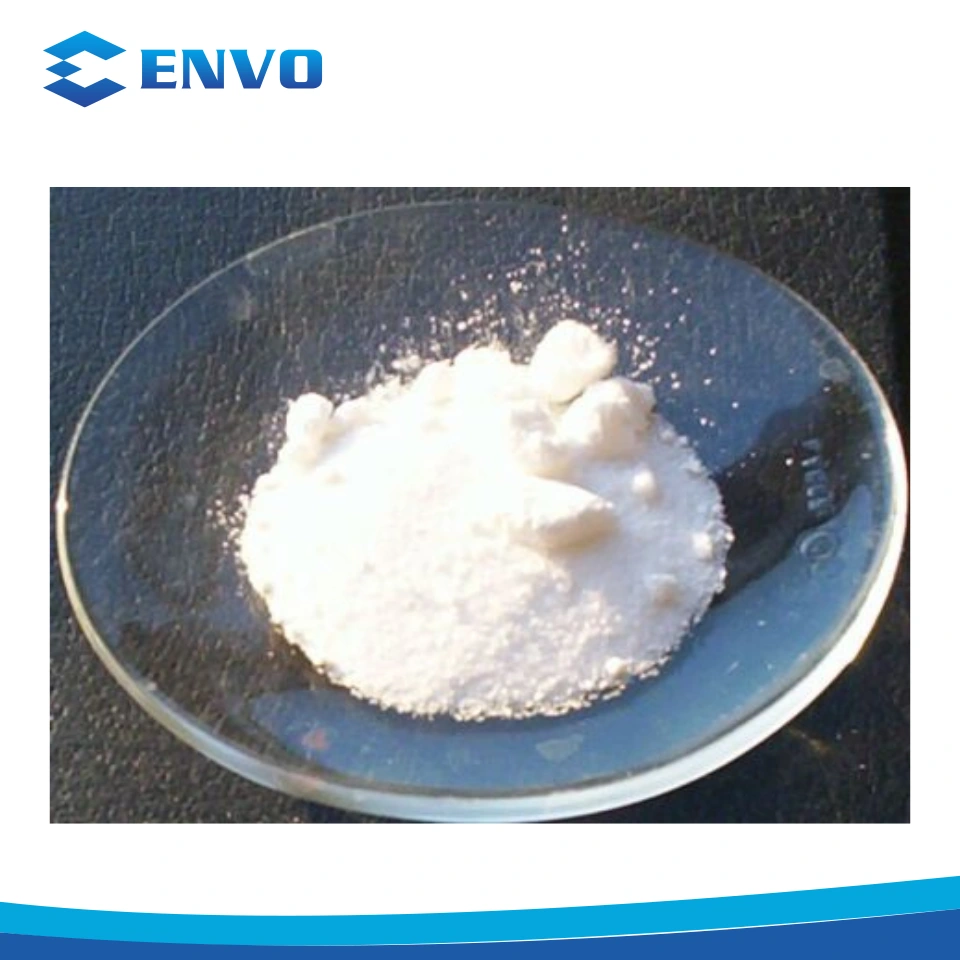
SMBS / SMB
A reducing and dechlorinating raw material for suitable membrane protection and other specified residual-oxidant control steps.
Residual-chlorine reduction & dechlorination; Chromium speciation, reduction & separation
Use these checks to compare equivalent supply specifications and narrow the candidate range for your actual process.
Discuss water conditions, process position and current products.
Align specification basis, test methods and grade-specific documents.
Review quantity, packaging and destination requirements.
Discuss your current grade or operating conditions. ENVO codes identify sales requirements; manufacturer grades, supply specifications, test methods and document versions are confirmed for the selected product.
Na2S2O5 ≥96.0%.
Na2S2O5 ≥98.0%.
Specify the reduction target and monitoring basis, coordinating with membrane or downstream biological processes. Food grade does not replace drinking-water end-use documents.
Check the required form, then compare the composition, specifications and test conditions of the specific grade.
White to slightly yellow
Appearance information supports initial screening only. Color cannot establish chemical identity, concentration or quality grade. Confirm the actual batch using supply documents and samples.
These public sources help check product categories, possible appearances and general application limits. They do not replace the TDS, SDS or batch COA for a specific ENVO grade.
White fine crystalline powder; industrial grade may be slightly yellow
Reducing-feedstock identity and compatibility
Associates the product page with a historical photograph; does not establish the current batch or the rights chain
Independent manufacturer information for white to slightly yellow crystals; its specifications are not ENVO guarantees
The original author identifies the sodium metabisulfite sample and public-domain release; technical appearance claims still rely on BASF/Esseco information
Review symptoms, possible causes and verification steps together to prepare a more focused product-selection discussion.
Product properties, test basis and specification details.
Composition, handling, storage and transport information.
Batch-specific analytical items and results.
Review the scope for the product and destination market.
Confirm net weight, package material, label, delivery condition and destination documents for the selected product and order.
Industry references describe general uses. Product specifications, certifications and application results require the corresponding supplier documentation.
Specify free/total oxidant and process location; assess chemical quality separately from actual residual monitoring.
Share the application, current product, purchase quantity and delivery location to help confirm a suitable specification. Key checks include: Na₂S₂O₅ content; Impurities; Solution preparation & storage requirements; Sampling & monitoring; Membrane supplier requirements. Compare the current grade document and the same test basis before choosing an alternative.
Request the current grade-specific TDS and product SDS, the COA for the actual supplied batch, and any intended-use documents required for the destination. Share the application, specification, quantity and delivery requirements. Document version, batch coverage and public-release scope are confirmed for the specific request.
Share your application, current product or purchasing requirements to discuss a suitable supply option.