
Describe the defect specifically and retain process chronology
Record where defects occur, which materials or shifts are affected, and whether changes coincide with reuse ratios, cleaners or production load. Replace 'bad water' with observable facts such as appearance, odor, bath condition and workpiece tests. Odor alone cannot identify an anomaly. Follow occupational-safety procedures for site inspections, particularly in systems containing other chemicals.
Distinguish contamination in water from results on workpieces
Solenis industrial microbial-control information places problems within process systems, and diagnosis should likewise assess water circuits and final quality together. Process and testing teams can design matching samples and controls and confirm that data represent the same production conditions. Changes in workpiece defects without matching microbial changes should not be forced into one common cause.
An investigation can compare cleaning, rinsing, drying and storage times for the same batch of workpieces and identify where the defect first became observable. If incoming-water and return-water samples come from different production batches, state this limitation; those samples cannot establish that contamination originated in a particular tank. The process route is more useful than photographs of final products for narrowing down which water circuits require verification.
Check upstream chemical and material compatibility
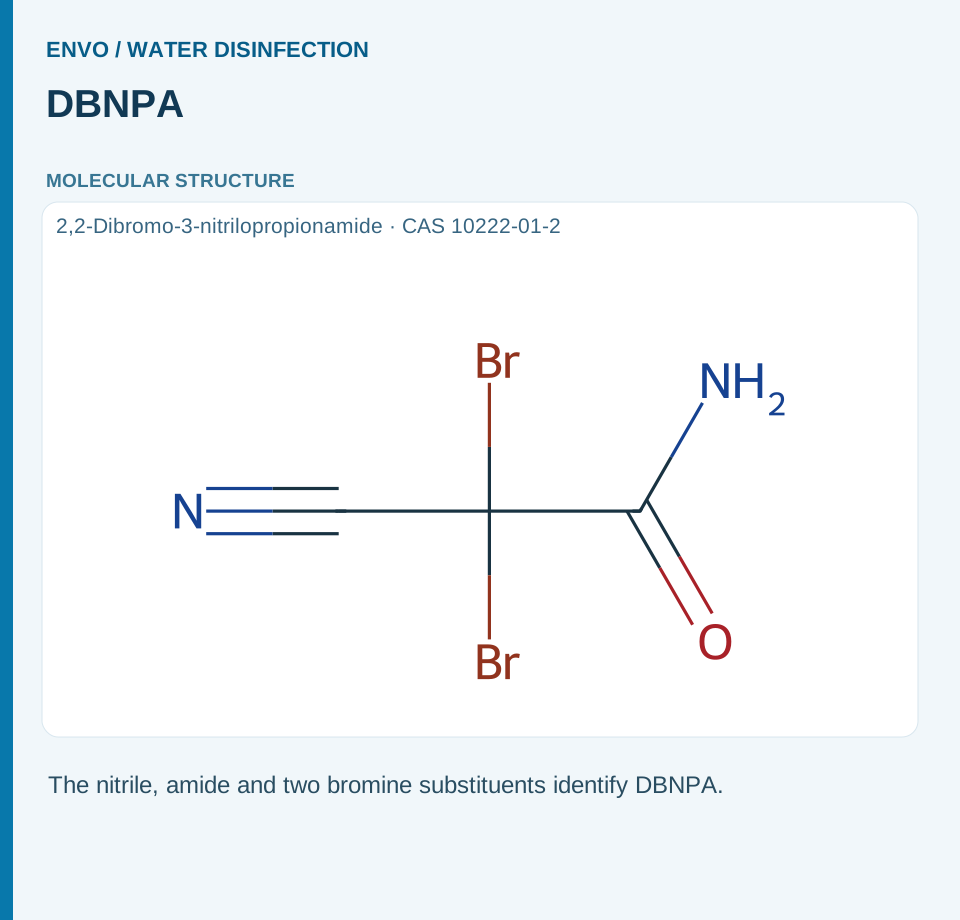
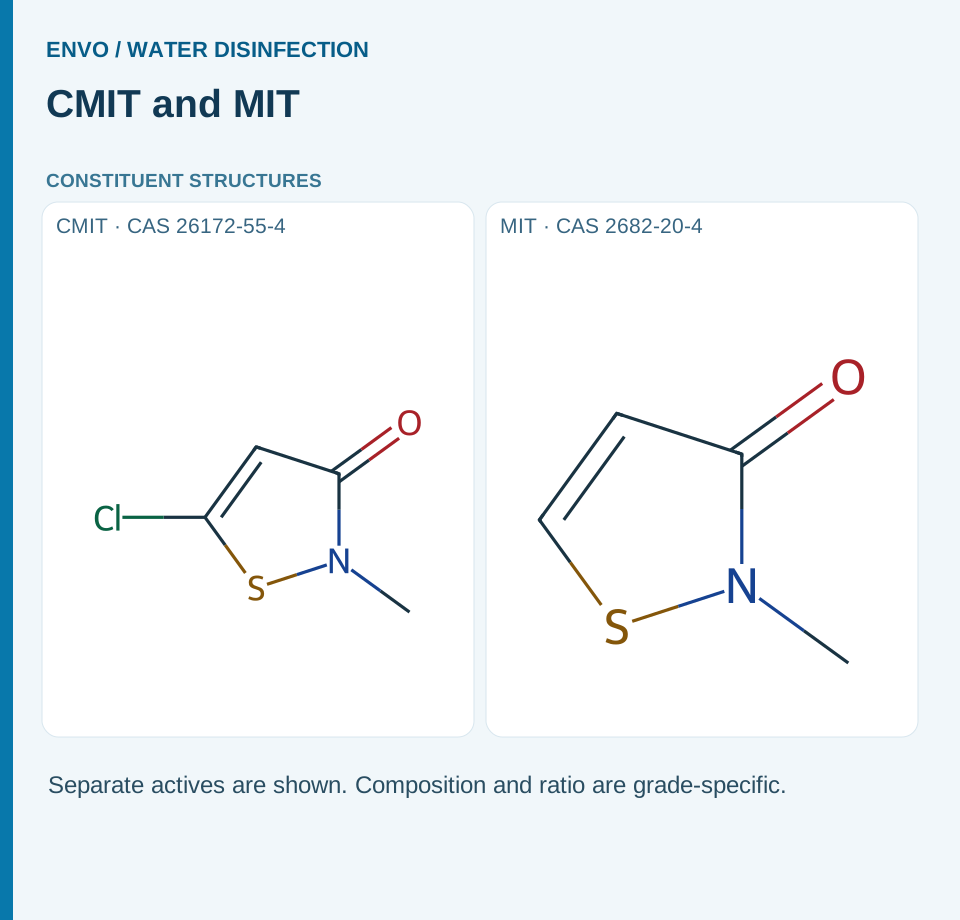
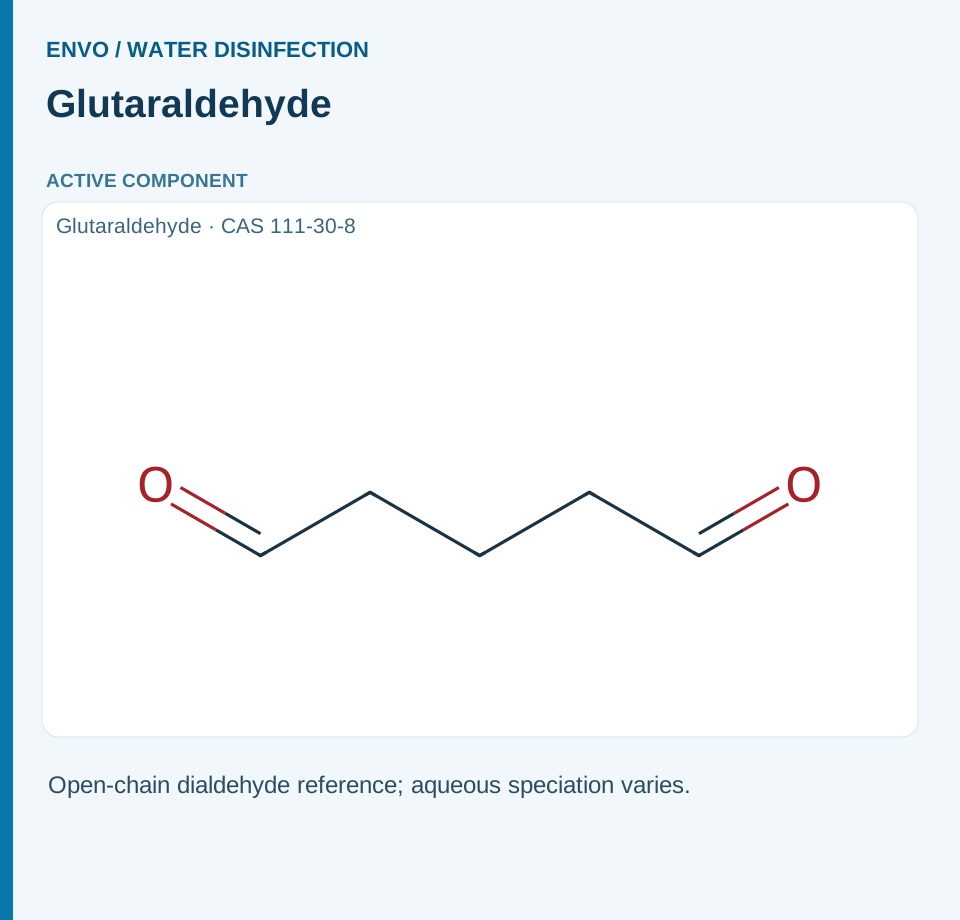
Compile cleaners, degreasers, recirculating additives and other materials potentially entering the circuit. Review the candidate biocide's complete formulation and process effects, not just its active ingredient. Controlled trials should observe the original issue and possible new problems, such as foam, surface condition or downstream changes, with criteria set by process requirements.
Avoid changing multiple factors at once
Simultaneous water replacement, tank cleaning, cleaner changes and biocide replacement prevent clear attribution even when results improve. Design staged validation within acceptable risk, retaining baselines and each change. Do not continue nonconforming production for trial purposes; isolate affected products and circuits under factory quality rules where necessary.
Organize supplier discussions around a question list
Inquiries should include process use, materials, reuse routes, anomaly timing and existing tests rather than only a broad-spectrum biocide name. Define the hypothesis to test and product-quality conditions that cannot change. Technical proposals should distinguish solvable issues from those needing other specialists instead of promising a universal answer to every industrial-cleaning problem.
Explore further
Does an odor prove that a biocide is needed?
It cannot establish this alone. Determine the cause through water-quality, process and safety investigations together.
Is measuring microbial counts alone sufficient in a trial?
Also cover actual process objectives and material compatibility so improvement in one area does not damage another.
References
This article draws on publicly available technical information. Third-party sources do not establish ENVO product approvals, field testing or project experience. Confirm each use against actual supply documents and site conditions.