
Water Supply & Buildings
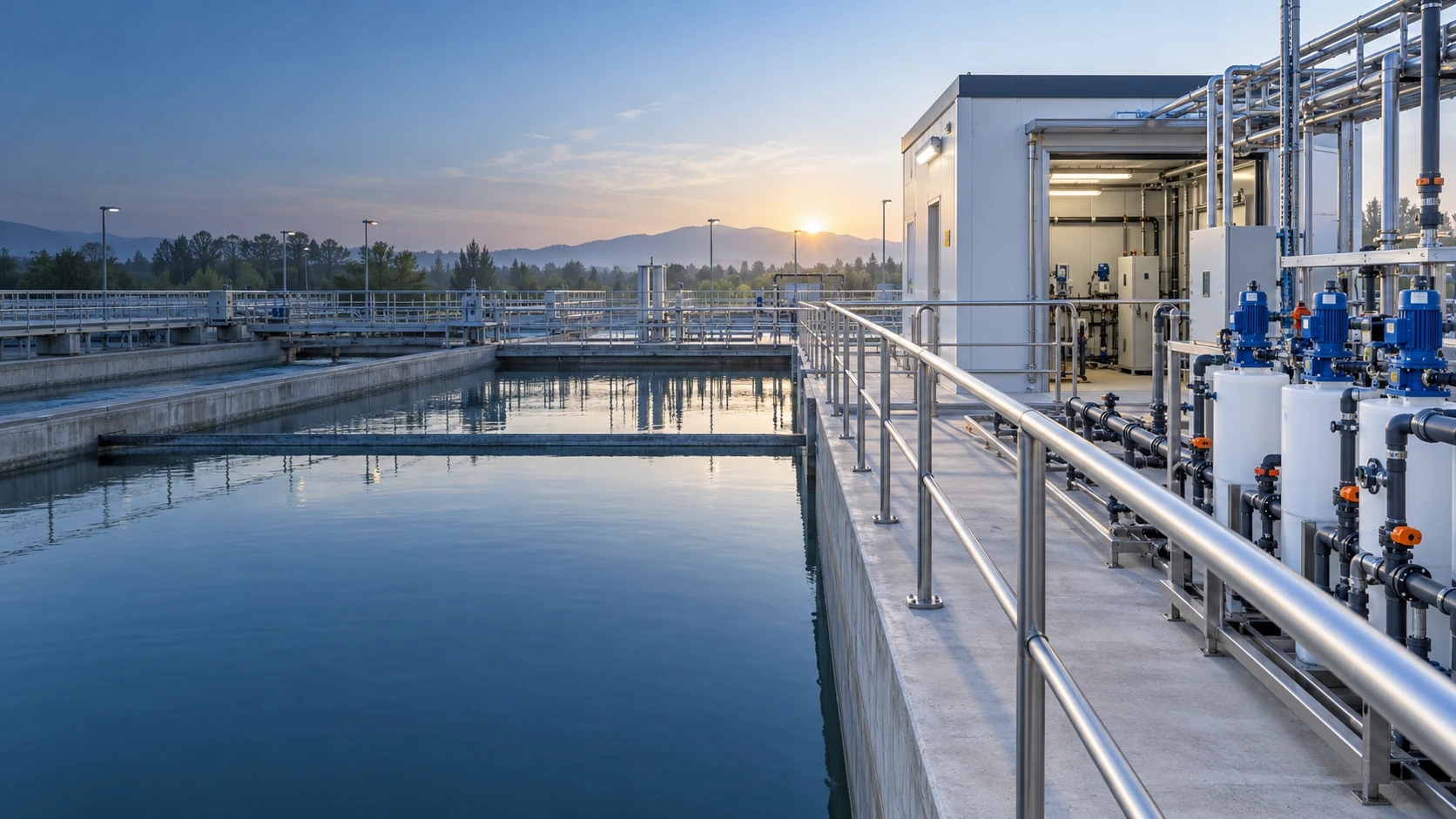
Centralized Drinking-Water Treatment
Define the separate roles of primary disinfection and distribution-system residuals based on source water and treatment barriers.
View approaches and products25 environments / 90 treatment comparisons
Covering water supplies, pools, industrial process water, wastewater reuse and specialized systems, with candidate products and conditions of use explained individually.
Define the separate roles of primary disinfection and distribution-system residuals based on source water and treatment barriers.
View approaches and products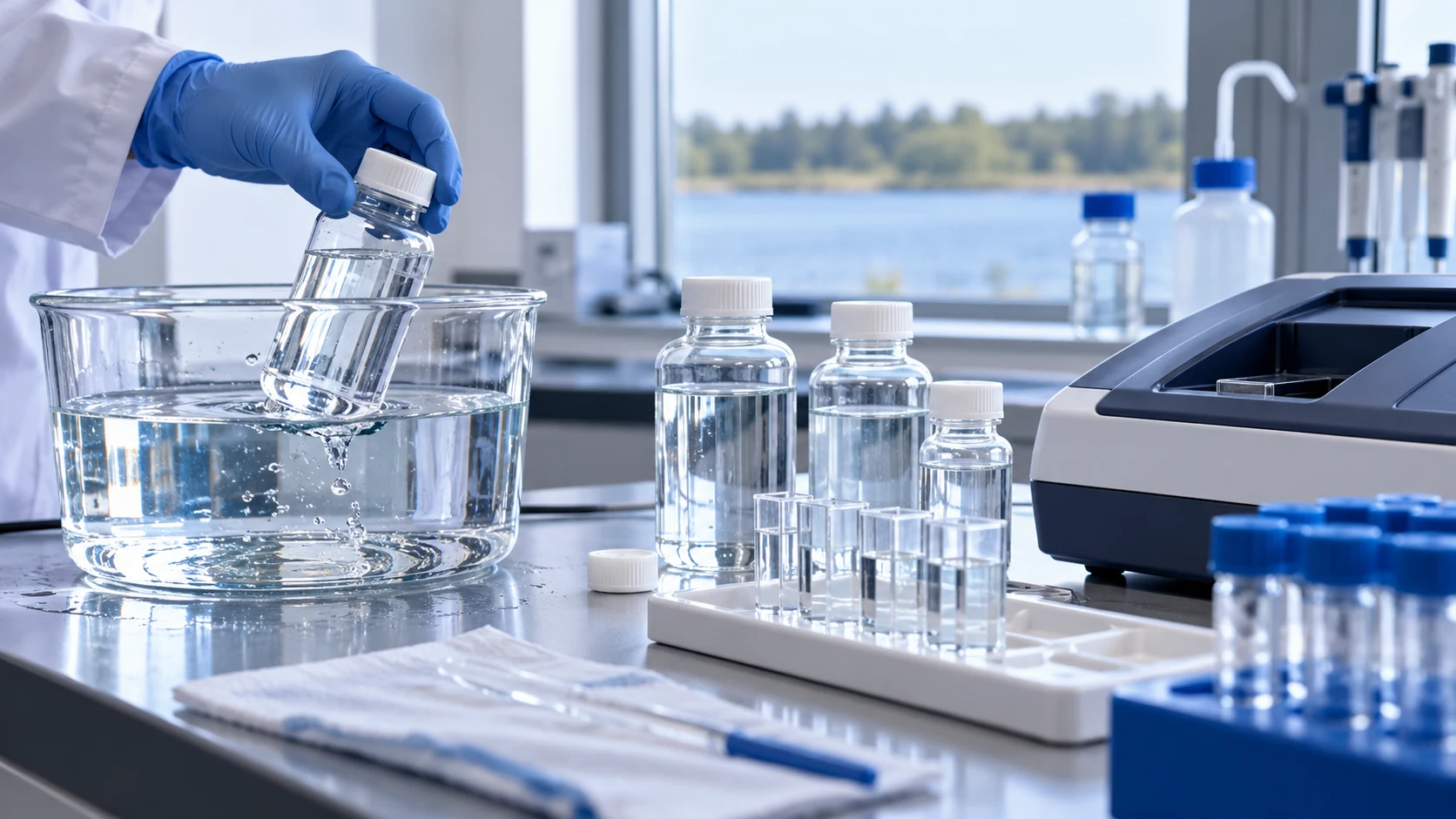
Establish a monitored water-disinfection process suited to available operating and maintenance capabilities.
View approaches and productsReduce recontamination during storage and distribution, distinguishing routine maintenance from return to service after repairs.
View approaches and productsBuild a water hygiene program around temperature, water age, deposits and disinfectant residuals.
View approaches and products
Balance bather exposure, recirculating filtration and a measurable disinfectant residual.
View approaches and productsChoose a pool-water program suited to higher temperatures, aerosols and concentrated bather loads.
View approaches and productsAssess human contact and aerosol exposure first, then distinguish disinfection from algae control.
View approaches and products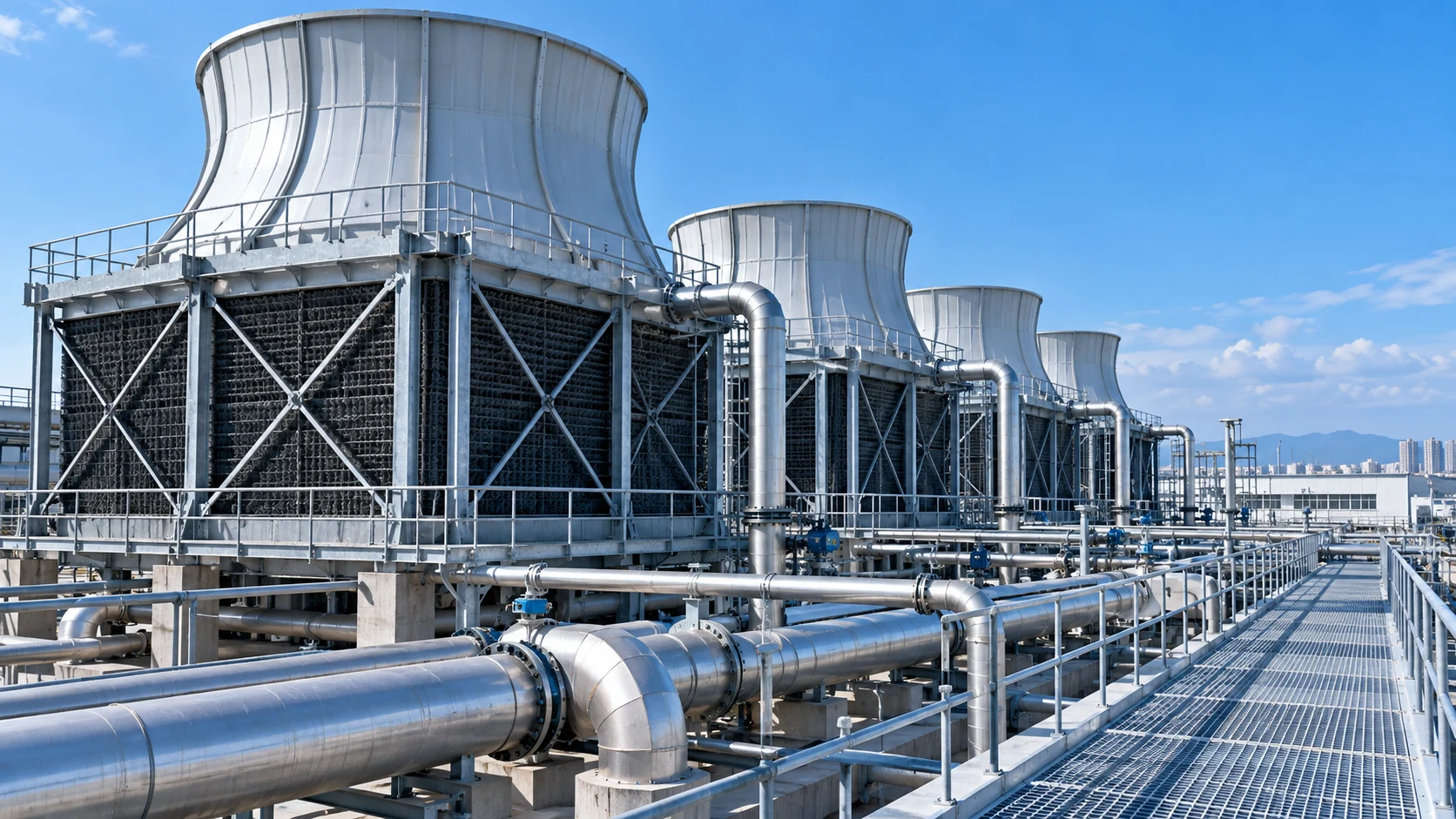
Compare control options for slime, biofilm, heat-transfer performance and microbiologically influenced corrosion.
View approaches and productsIdentify contact between process water and the product before selecting microbial control that will not disrupt the process.
View approaches and productsReduce slime-related sheet breaks, odors and process instability, with clear dosing-location and paper-grade requirements.
View approaches and products
Select separately for direct food contact, drinking-water quality and utility-water applications.
View approaches and products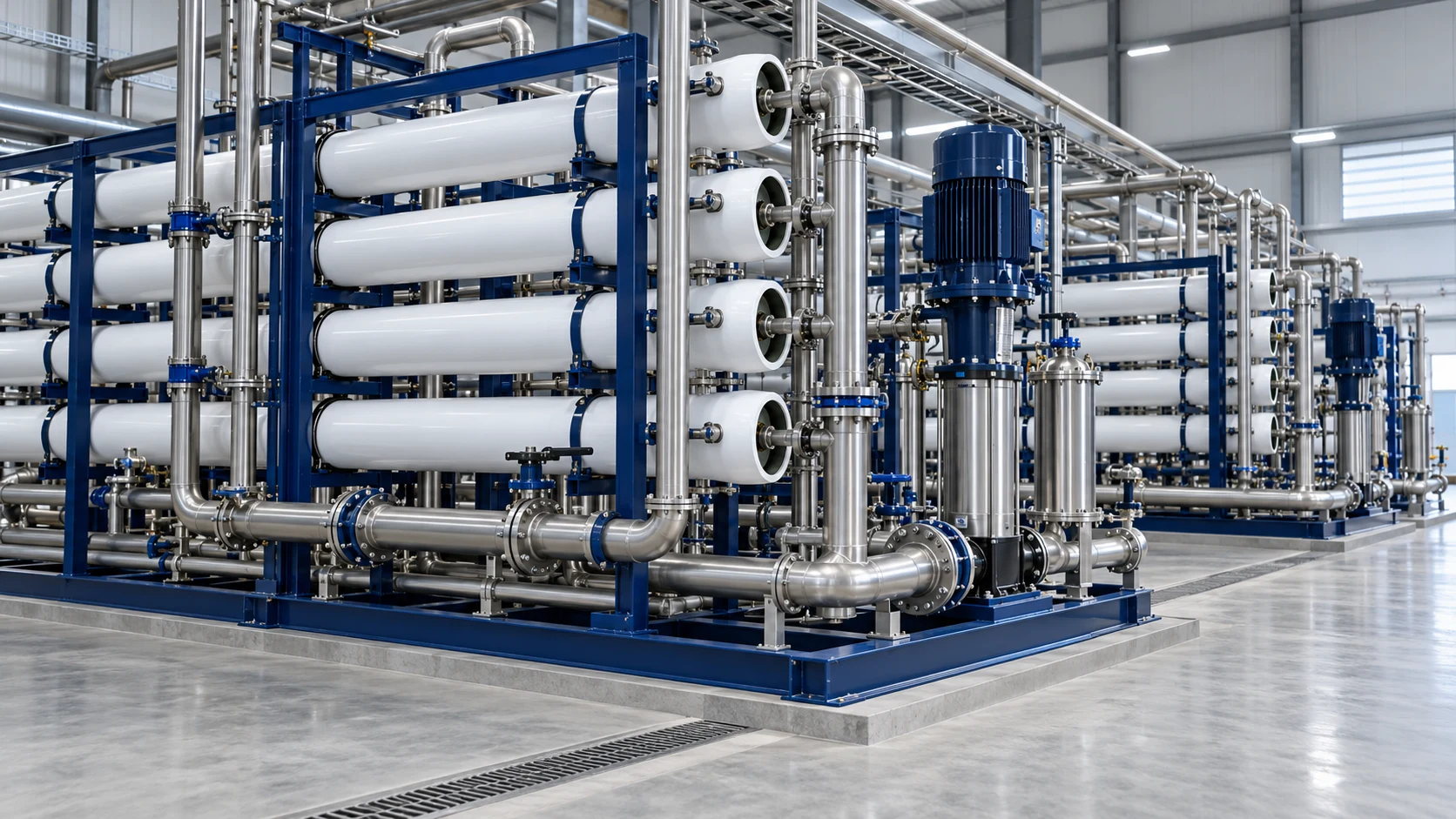
Define a practical disinfection procedure starting with system validation and quality requirements.
View approaches and productsMaintain consistency between microbial control and limits for ions, particles and TOC.
View approaches and productsIdentify membrane and resin models first, then distinguish pretreatment, treatment within the membrane system, online operation and shutdown treatment.
View approaches and products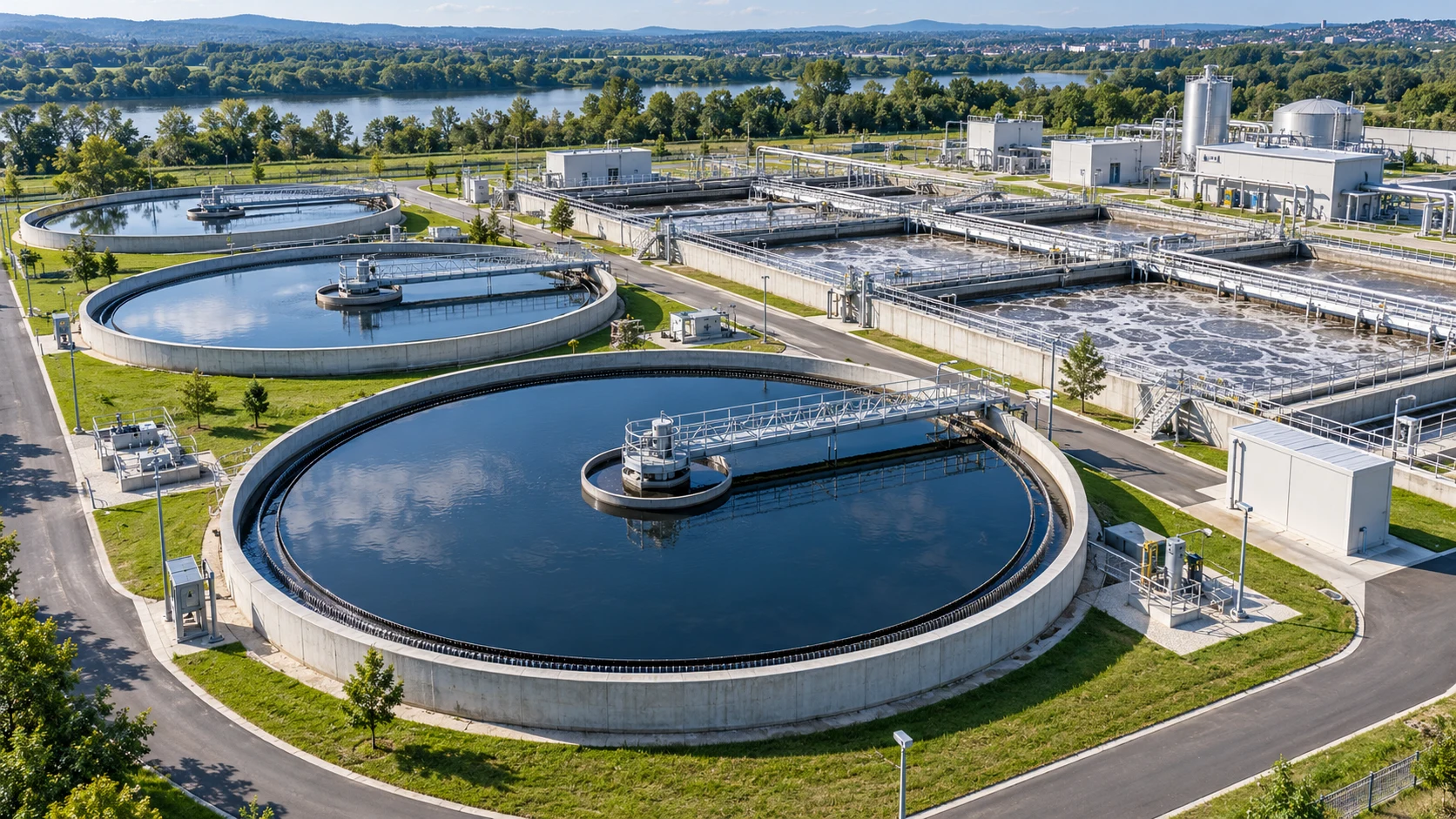
Match the disinfection contact stage to effluent targets and receiving-water requirements.
View approaches and productsSet disinfection barriers and storage/distribution protection according to the reuse pathway and human exposure.
View approaches and productsDevelop a tested control program around microbial populations, corrosion and fluid compatibility.
View approaches and productsSelect treatment for confirmed bacteria, algae or slime problems while preserving mineral-processing stability.
View approaches and products
Reduce waterborne risks and irrigation blockage while protecting crops and nutrient systems.
View approaches and productsDistinguish products and procedures used during animal drinking from those used for empty-house cleaning.
View approaches and products
Identify the treatment stage. Keep intake and effluent disinfection separate from water containing live aquatic animals.
View approaches and products
Select by the specific water-circuit use. For ballast water, follow the approved treatment system's chemical requirements.
View approaches and productsDiagnose algae and water-body problems before deciding whether chemical or non-chemical intervention is appropriate.
View approaches and productsIdentify the contamination first, then select an emergency drinking-water process that can be operated and verified under a defined procedure.
View approaches and productsStart with equipment instructions and healthcare quality requirements. Do not automatically match generic industrial chemicals.
View approaches and productsENVO · Purchasing and application support
Bring your current product model, intended use or purchasing list, and we will start with what you already know.