Water supply and buildings / Application solutions
Centralized Drinking-Water Treatment
Define the separate roles of primary disinfection and distribution-system residuals based on source water and treatment barriers.
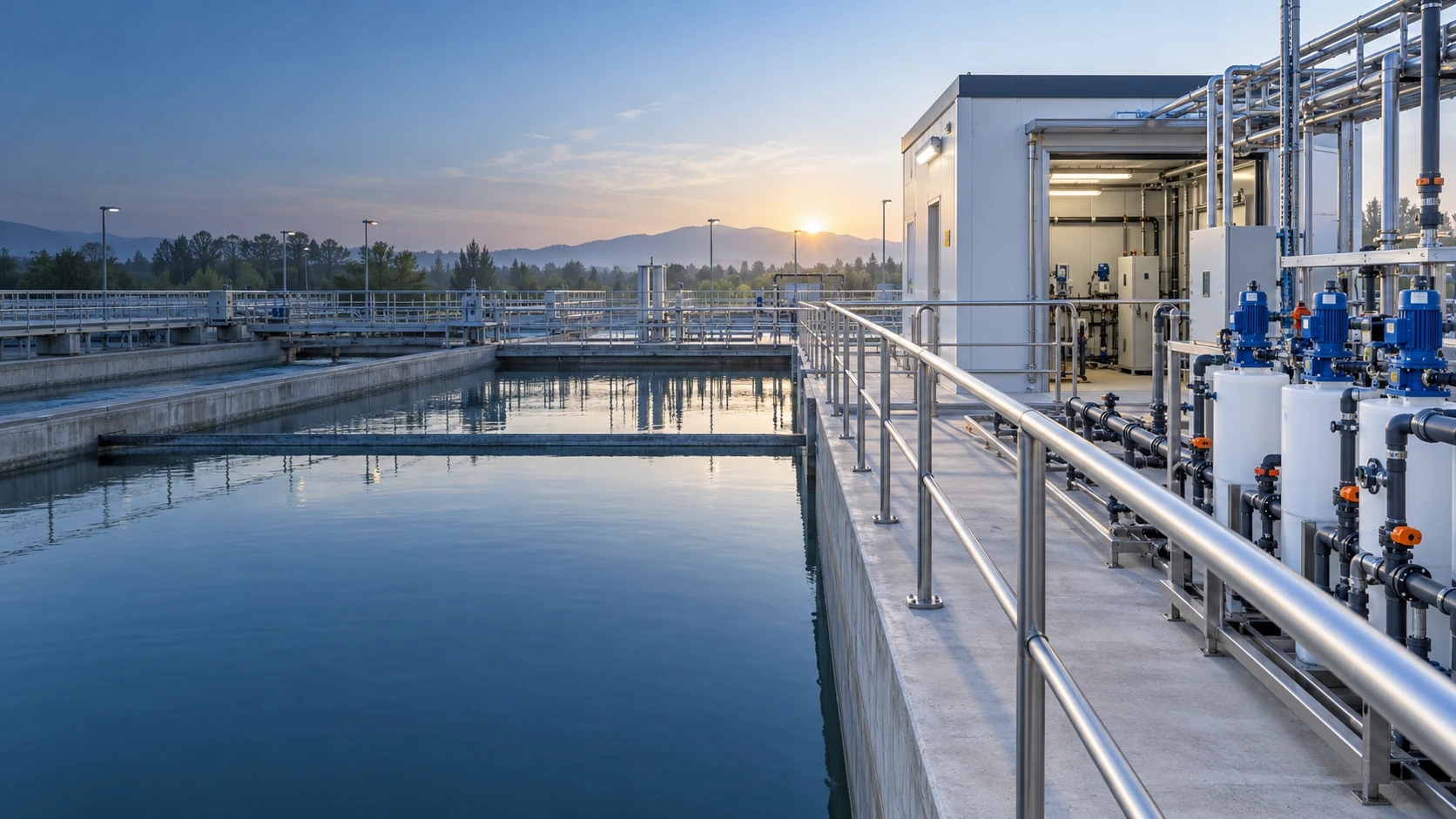
Illustrative application scene
Environment and objectives
First confirm what is being treated and at which treatment stage.
Surface-water and groundwater treatment plants; post-treatment of desalinated water; blended sources.
Operating conditions to check first
Check raw-water turbidity, pH, temperature, organics, ammonia nitrogen and target microorganisms. Distinguish pre-oxidation, final disinfection and distribution-system residuals.
Compare candidate treatment approaches
Why each approach is recommended and under which conditions it applies.
01
Disinfectant
Sodium hypochlorite, calcium hypochlorite and engineered chlorination
Reason for recommendation
Options for plant chlorination and residual-control requirements.
Conditions of use
Use the appropriate drinking-water grade. Chlorine gas requires dedicated engineered facilities. Performance depends on water quality and contact conditions.
Documents to verify
Drinking-water use documents; available-chlorine and relevant-impurity COA; contact process and residual monitoring; by-product control plan
This comparison supports initial purchasing screening. It does not replace the specific formulated product label, equipment instructions or site validation, and provides no universal dosage or on-site mixing instructions.
Related products
Explore candidate products and continue verification.
The following are conditional matches; they do not indicate that every grade is suitable.
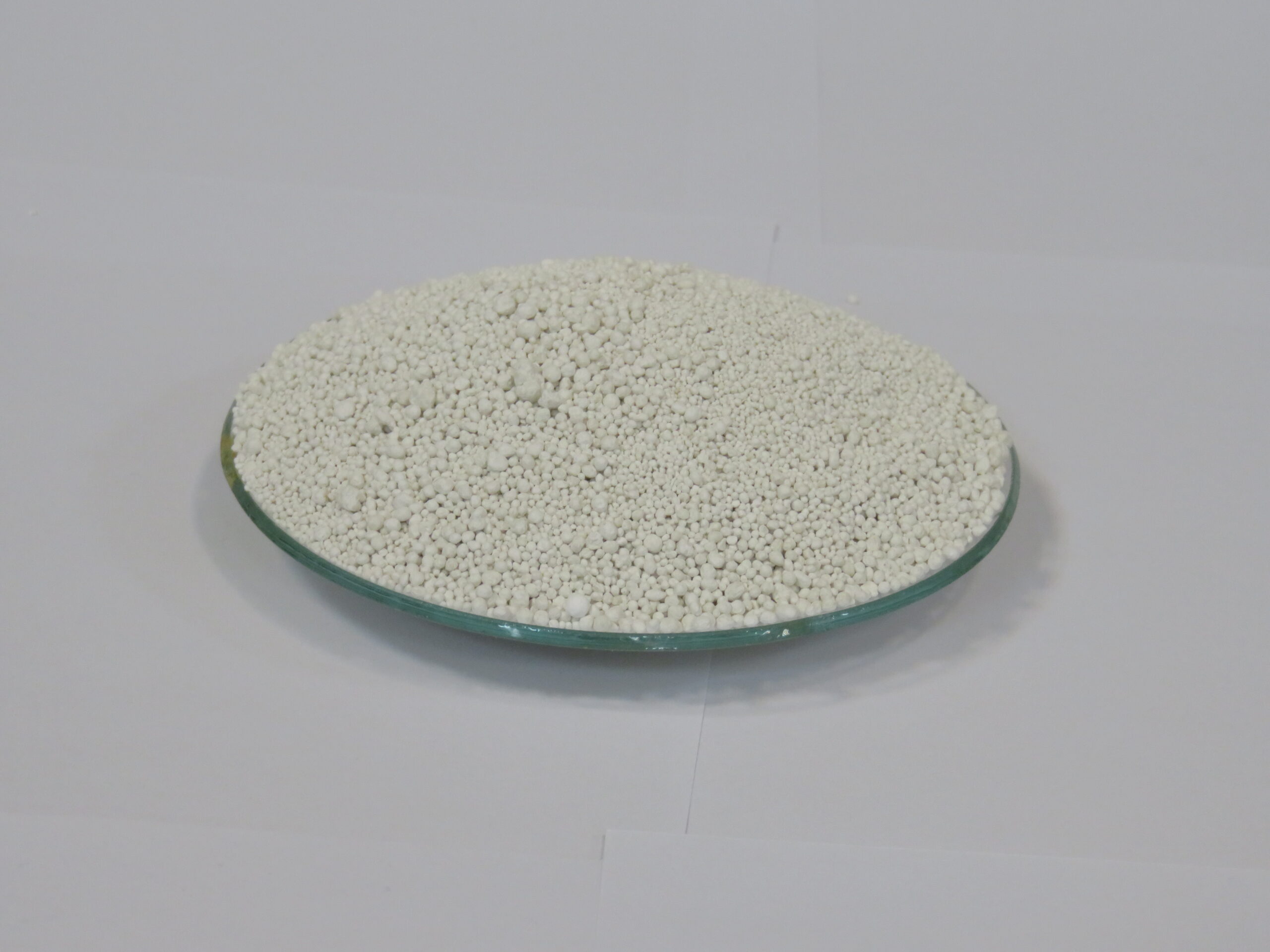
For pool, water-supply and effluent disinfection where the corresponding use applies. Purchasing priorities are available chlorine, particle size and insolubles, together with calcium loading in the water and dosing equipment.
A chlorination chemical used with liquid metering systems and residual monitoring. Purchasing priorities are available chlorine at delivery, storage turnover and impurity requirements for the intended use.
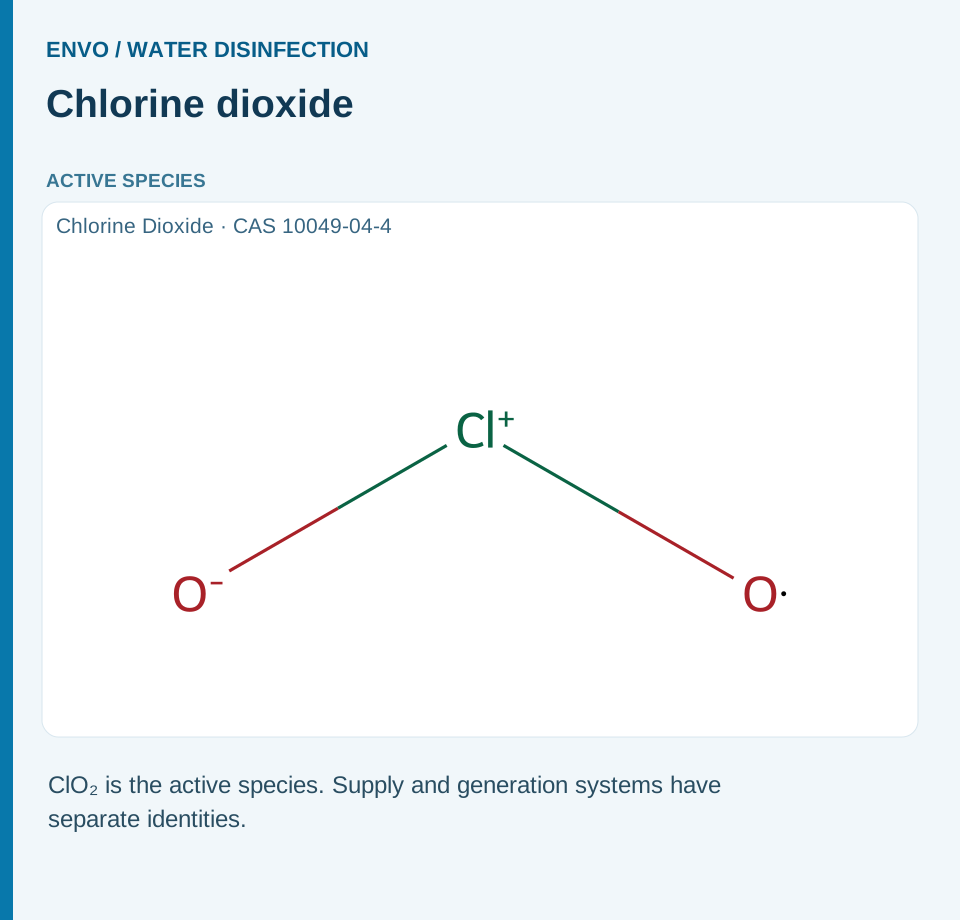
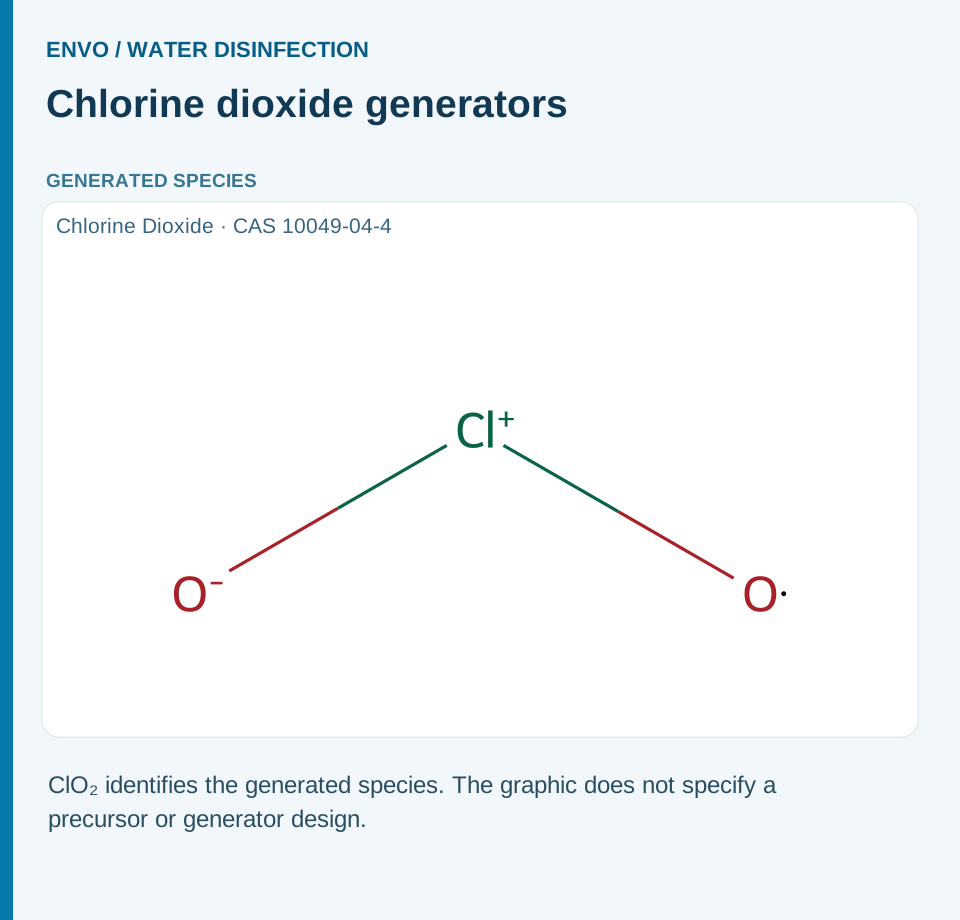
First distinguish specific ready-to-use formulated products, precursor products requiring a prescribed procedure, and on-site generation systems before discussing use and purchasing. Analytical methods must distinguish chlorine dioxide from other oxidizing components.
A common precursor for chlorine dioxide generation. Start purchasing checks with generator-approved specifications, impurities and delivery form; do not treat the raw material as an already-generated chlorine dioxide product.
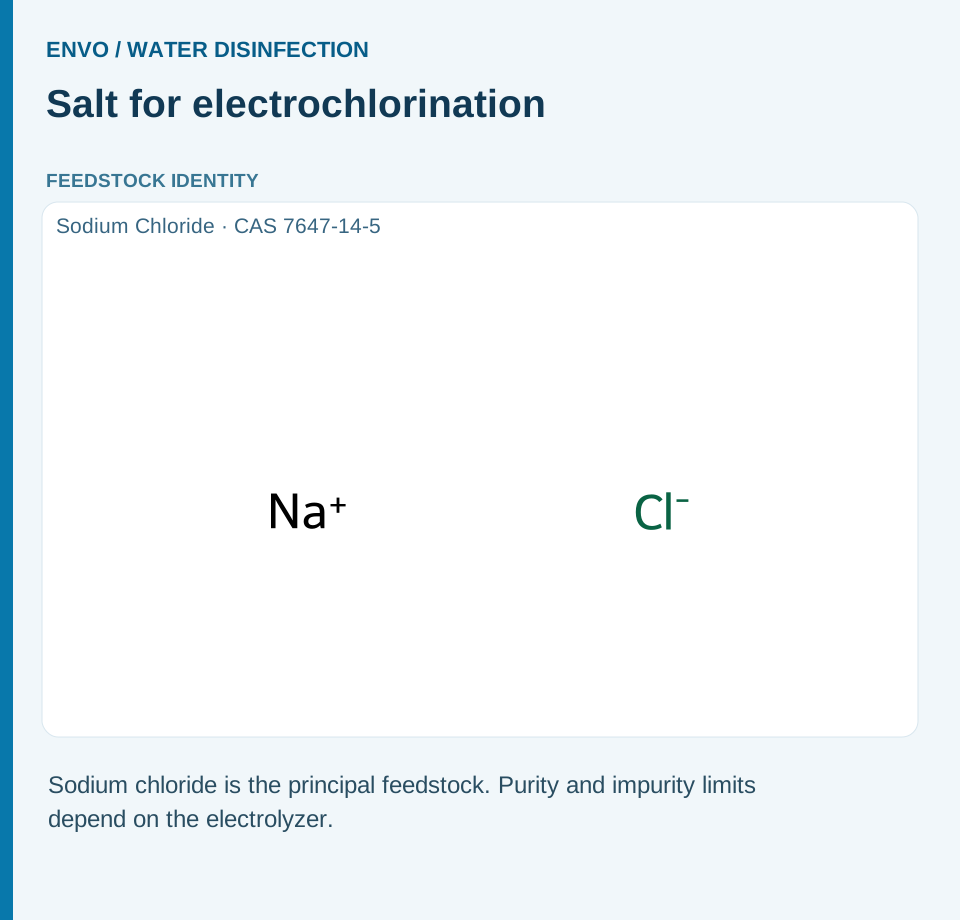
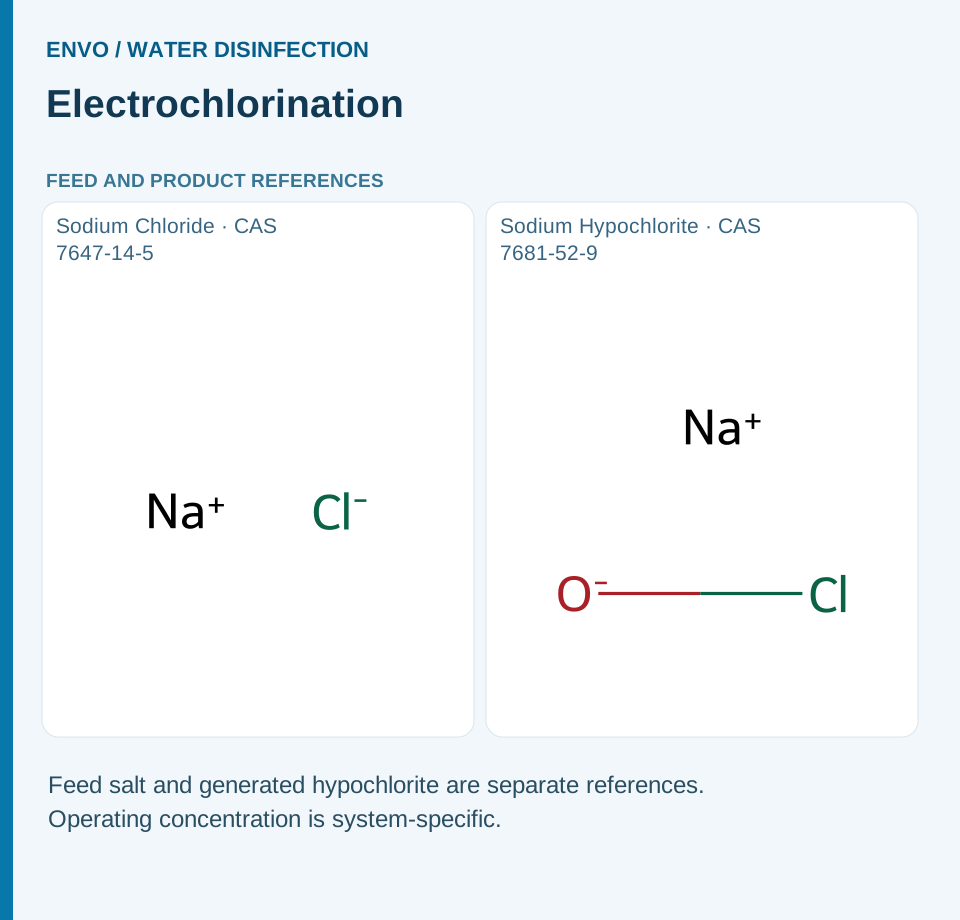
A sodium chloride feedstock for specific electrolysis systems. Check salt impurities, equipment feedwater and electrode maintenance together; food-grade or ordinary industrial-grade descriptions alone do not demonstrate suitability.
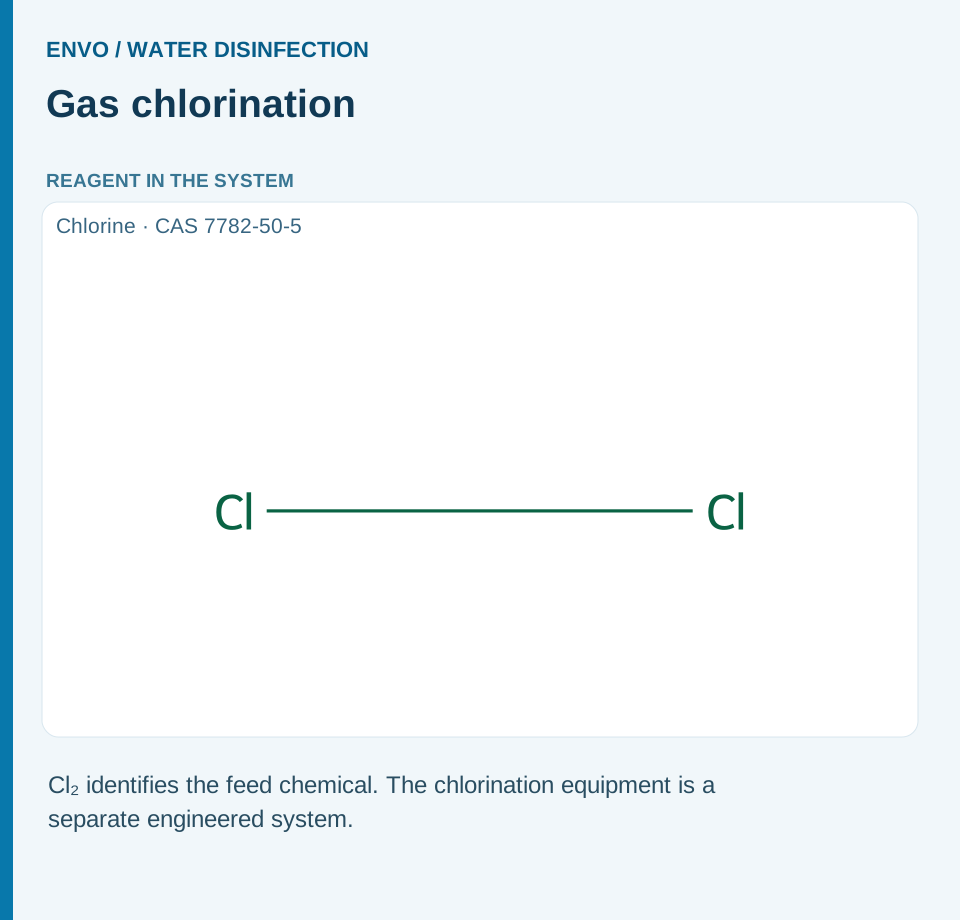
An engineered chlorination approach requiring dedicated facilities and management. Selection includes storage and supply, metering, contact, monitoring and emergency facilities. It is not presented as an ordinary drummed chemical or as a claim of qualification to supply equipment.
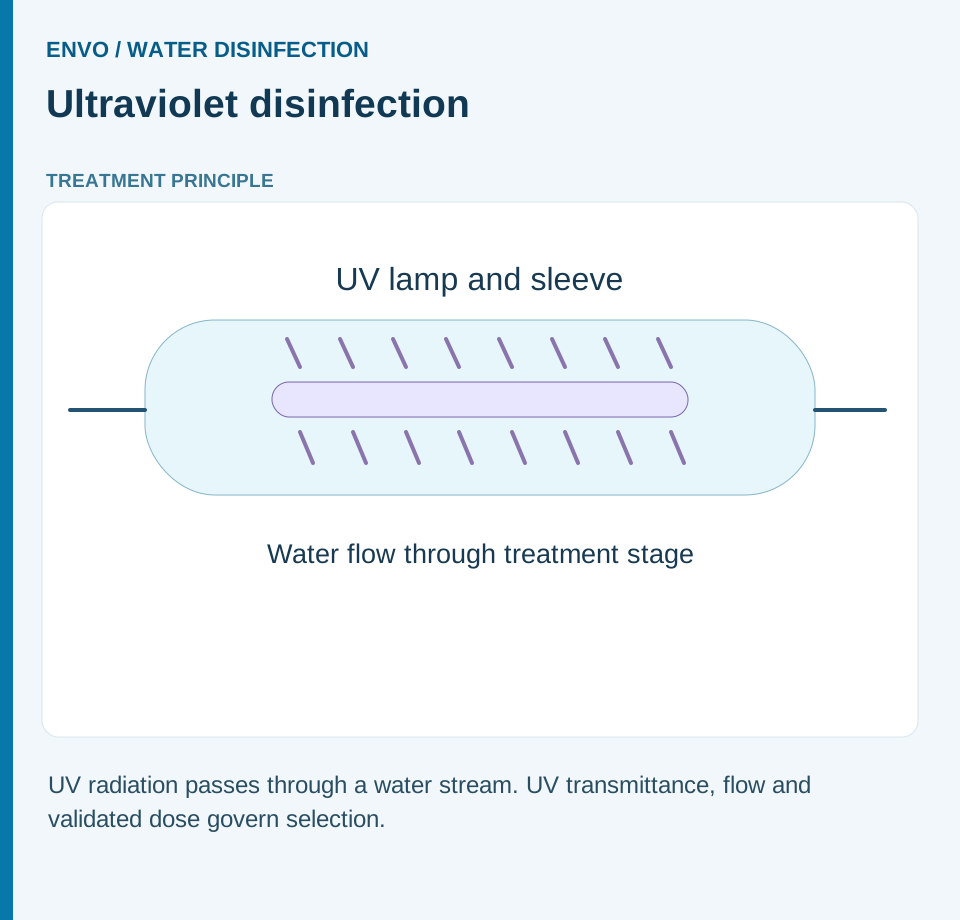
A disinfection barrier based on validated equipment and water quality conditions. Purchasing priorities are validated performance at the design flow rate, UV transmittance, particle effects, alarms and maintenance; lamp power alone is insufficient for comparison.
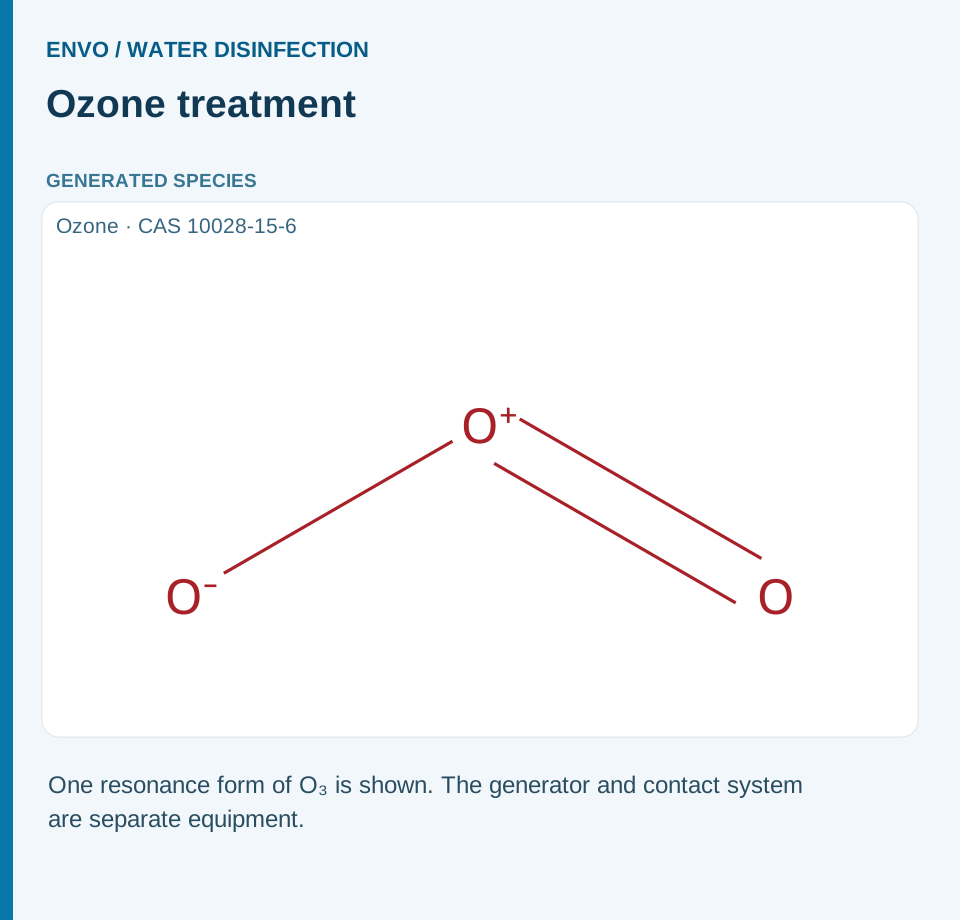
An engineered oxidation and disinfection approach combining generation, gas-water contact, residual control and off-gas management. Raw water composition and downstream use determine by-product and residual requirements; equipment cannot be selected solely by ozone output.
An engineered approach that prepares chlorine-containing treatment solution on site. Freshwater brine and seawater systems require separate checks; selection must cover feedstock, feedwater, generation capacity, ventilation and hydrogen removal, metering and monitoring.
An engineered system that produces chlorine dioxide using equipment-approved precursors and processes. Purchasing verification should cover precursor purity, product identity, by-products, dosing points, operation and maintenance together.
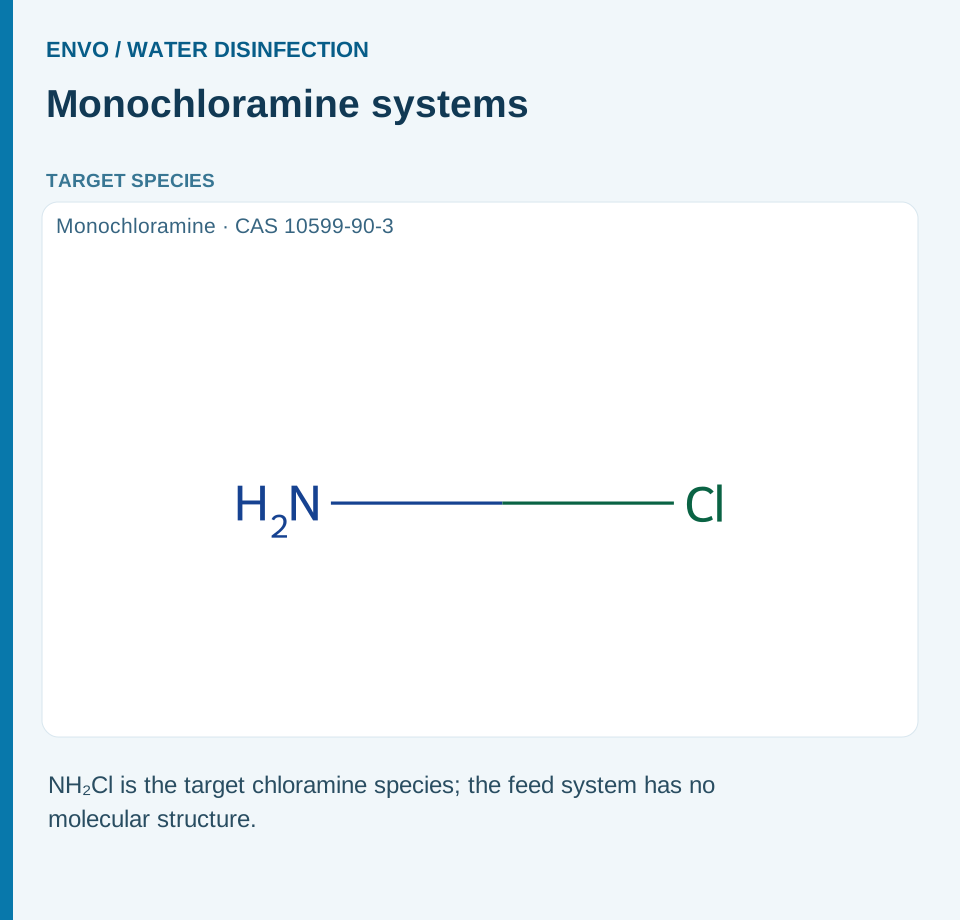
For engineered or approved secondary disinfection of water supplies and specific process applications. Chemical species control, nitrification management and distal-point monitoring are central; this does not mean arbitrary on-site mixing of chlorine and ammonia.
A chlorine residual reading shows how much remains at the sampling location; alone, it cannot establish that every portion of water has received sufficient effective contact.
Higher chemical consumption at the same supply volume may reflect changes in raw water and pretreatment, or changes in solution concentration, pump metering or reporting boundaries.
Achieving target microbial control within the plant and maintaining water quality in storage and distribution after water leaves the plant are connected but distinct tasks.