
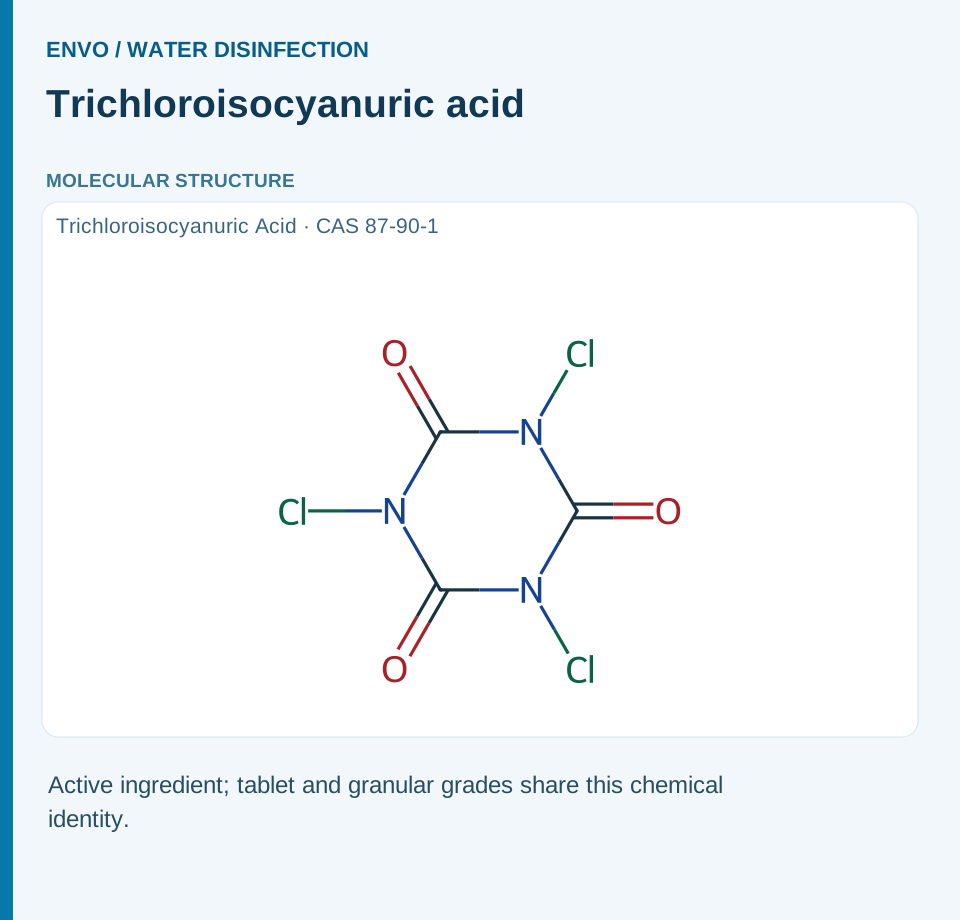
Trichloroisocyanuric Acid
TCCA
For pool disinfection products with defined uses. Select specifications according to available chlorine, dosage form and dosing equipment, while considering cyanuric acid management and operating costs.
ENVO / Disinfection products and supporting solutions
Enter a name, CAS, common name or use to find a product, or browse chemicals, formulations and engineered approaches separately.

TCCA
For pool disinfection products with defined uses. Select specifications according to available chlorine, dosage form and dosing equipment, while considering cyanuric acid management and operating costs.
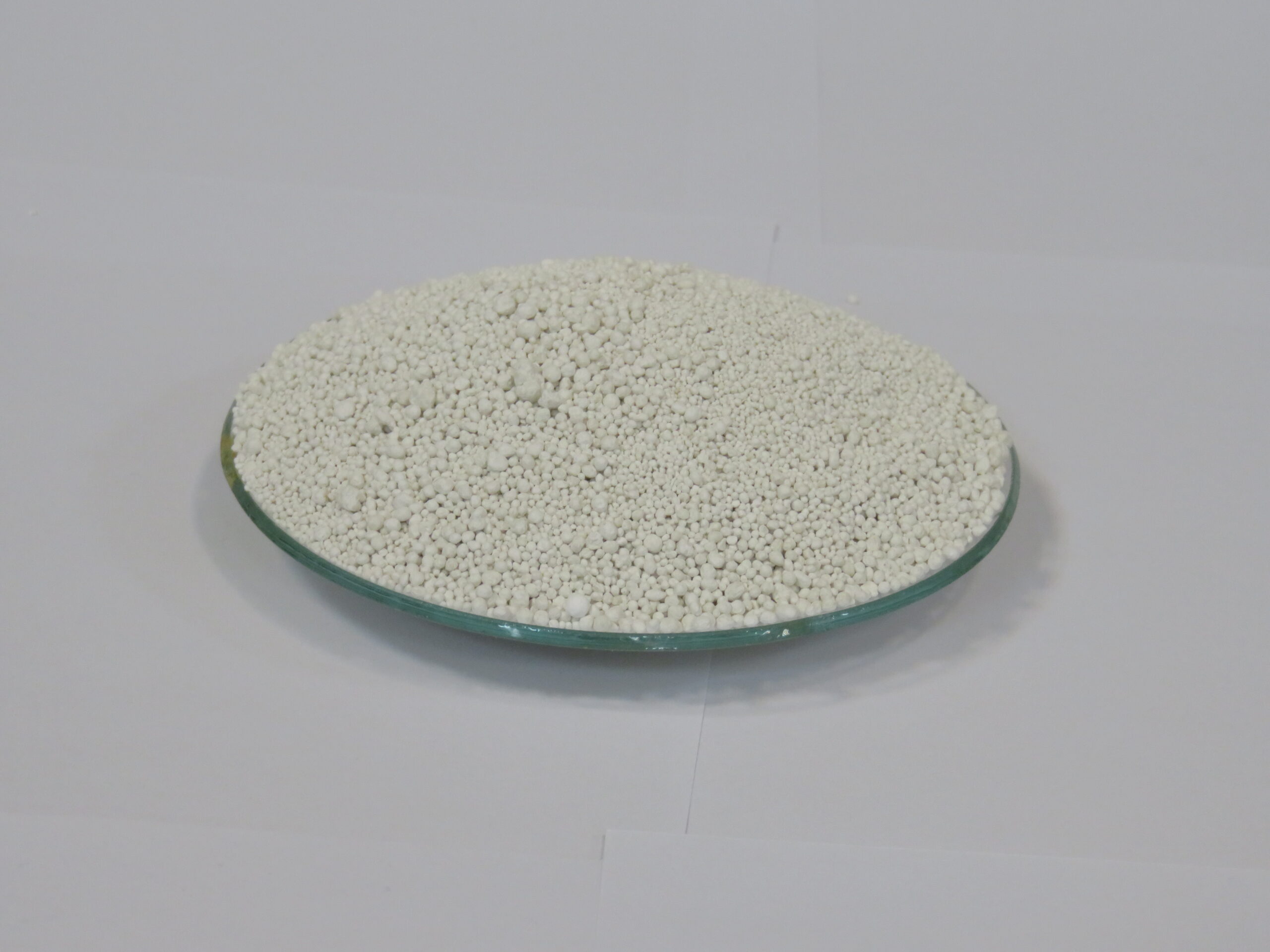
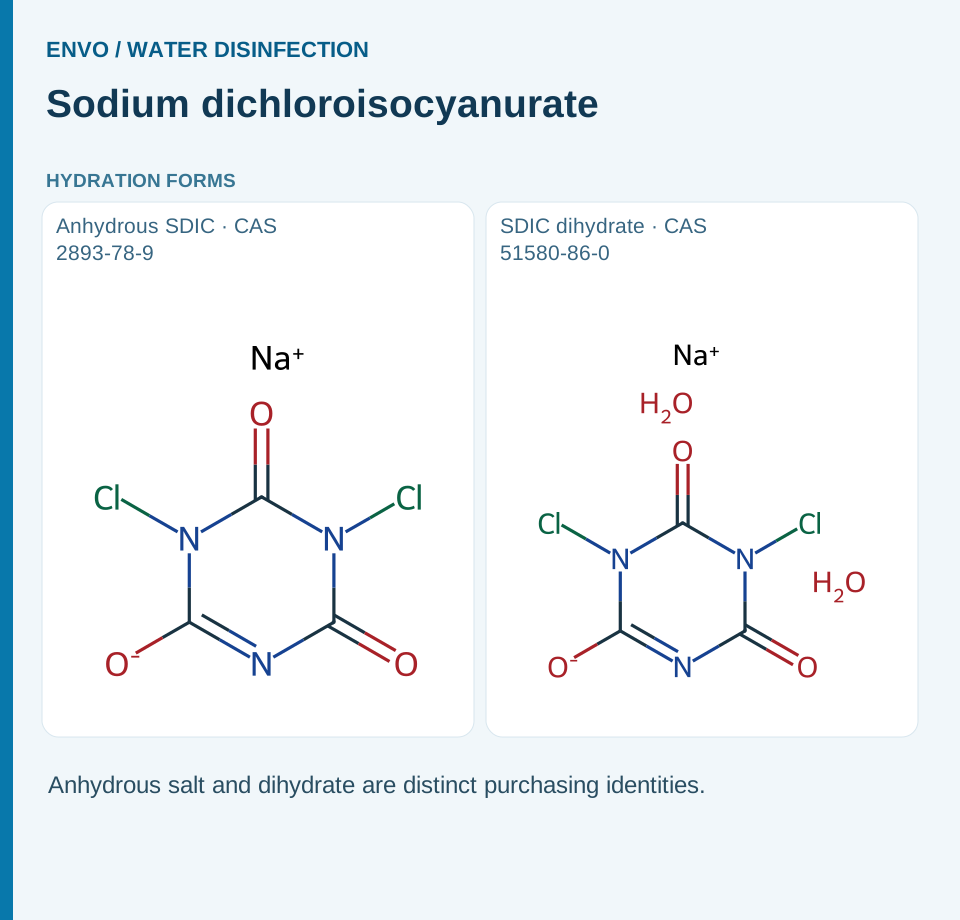
SDIC / NaDCC
For pool and portable drinking-water disinfection products with defined uses. Distinguish anhydrous and dihydrate forms, and select specifications according to the application, dosage form and documentation requirements.
Sample photographCa(ClO)₂
For pool, water-supply and effluent disinfection where the corresponding use applies. Purchasing priorities are available chlorine, particle size and insolubles, together with calcium loading in the water and dosing equipment.
Sample photographNaClO
A chlorination chemical used with liquid metering systems and residual monitoring. Purchasing priorities are available chlorine at delivery, storage turnover and impurity requirements for the intended use.
ClO₂
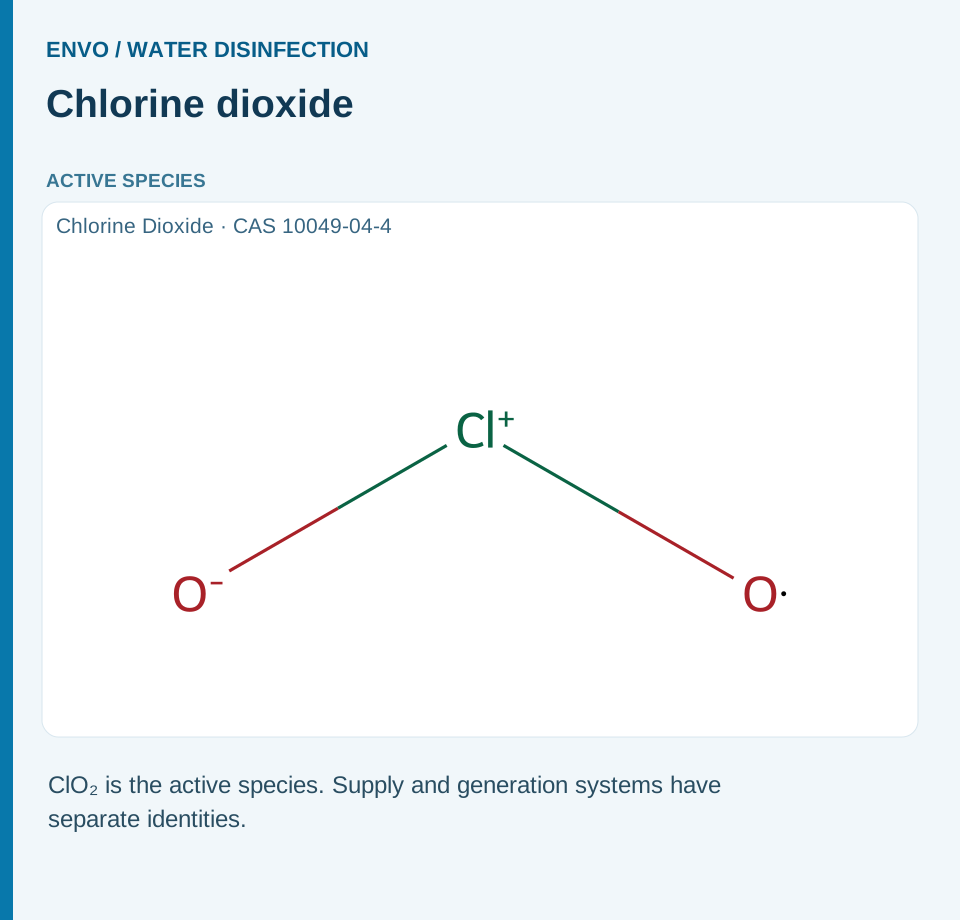
First distinguish specific ready-to-use formulated products, precursor products requiring a prescribed procedure, and on-site generation systems before discussing use and purchasing. Analytical methods must distinguish chlorine dioxide from other oxidizing components.
PAA
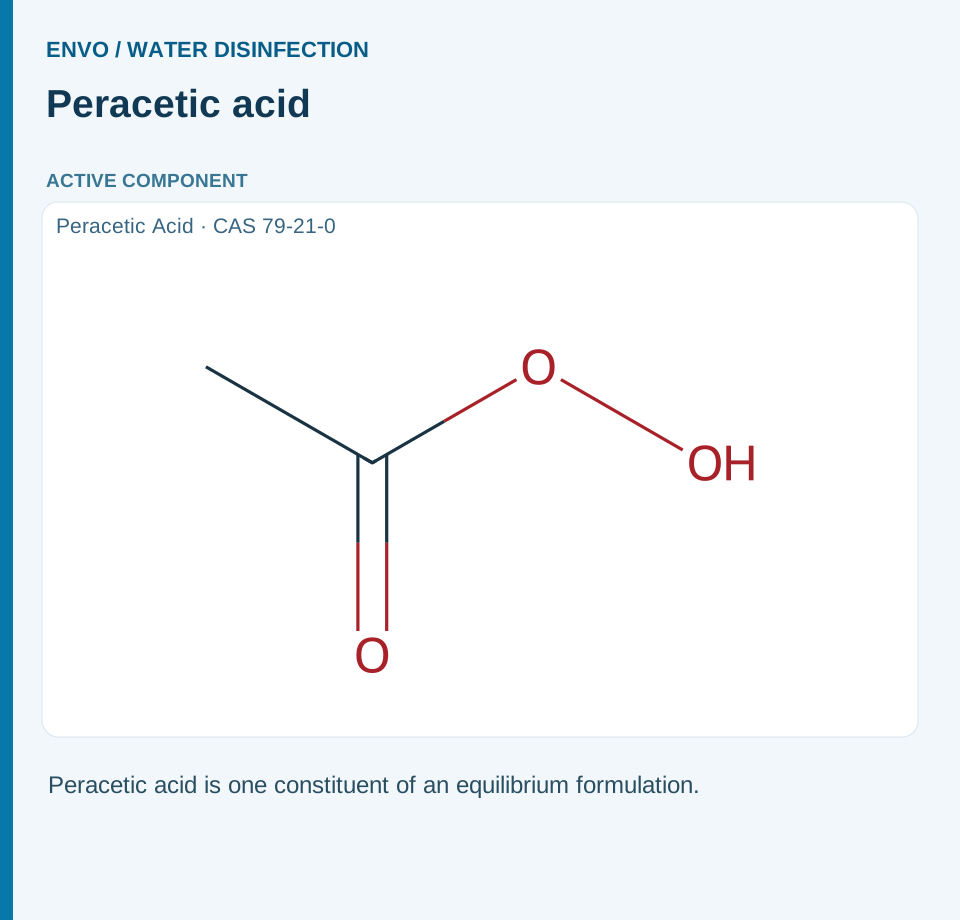
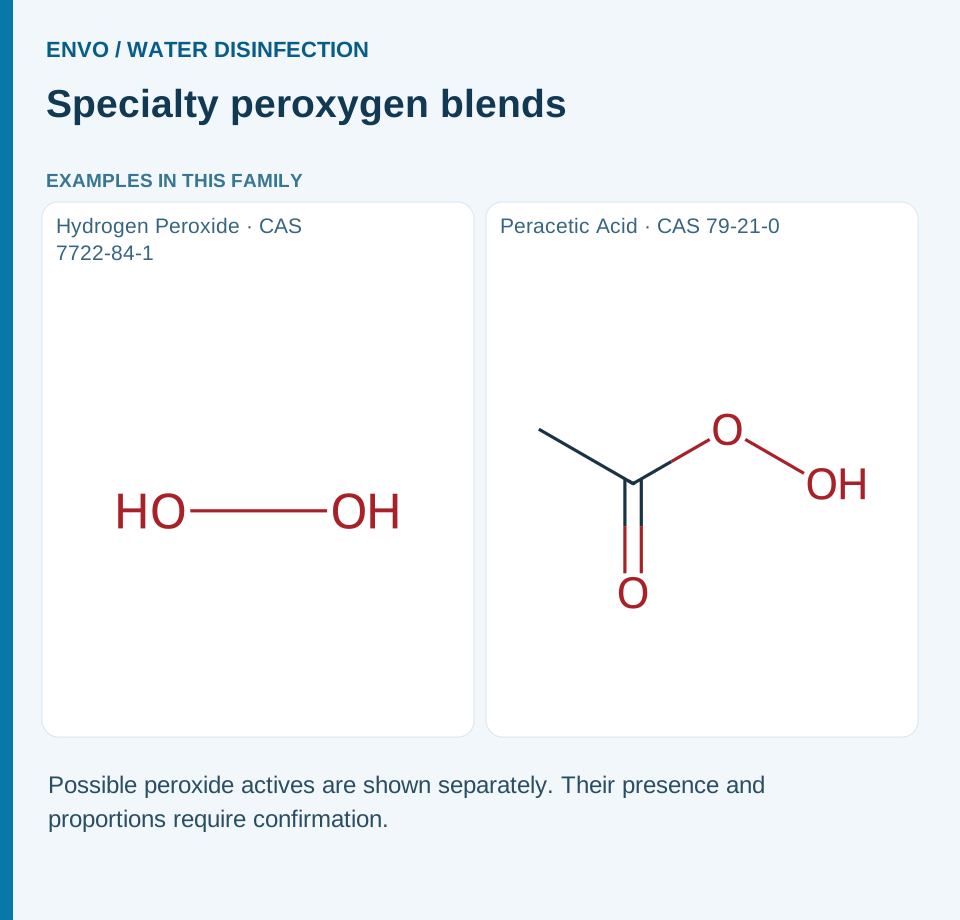
For disinfection and process hygiene applications supported by the relevant formulated product. The complete formulation, material compatibility and residual management are more meaningful than comparison of peracetic acid concentration alone.
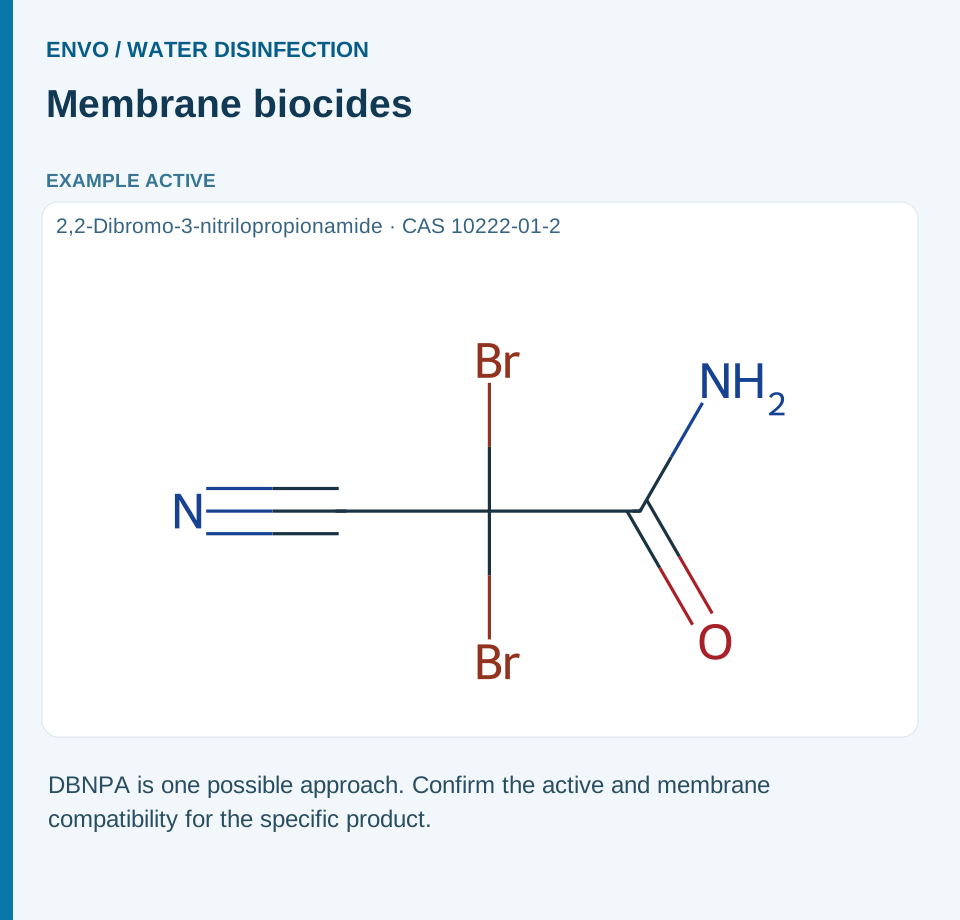
DBNPA
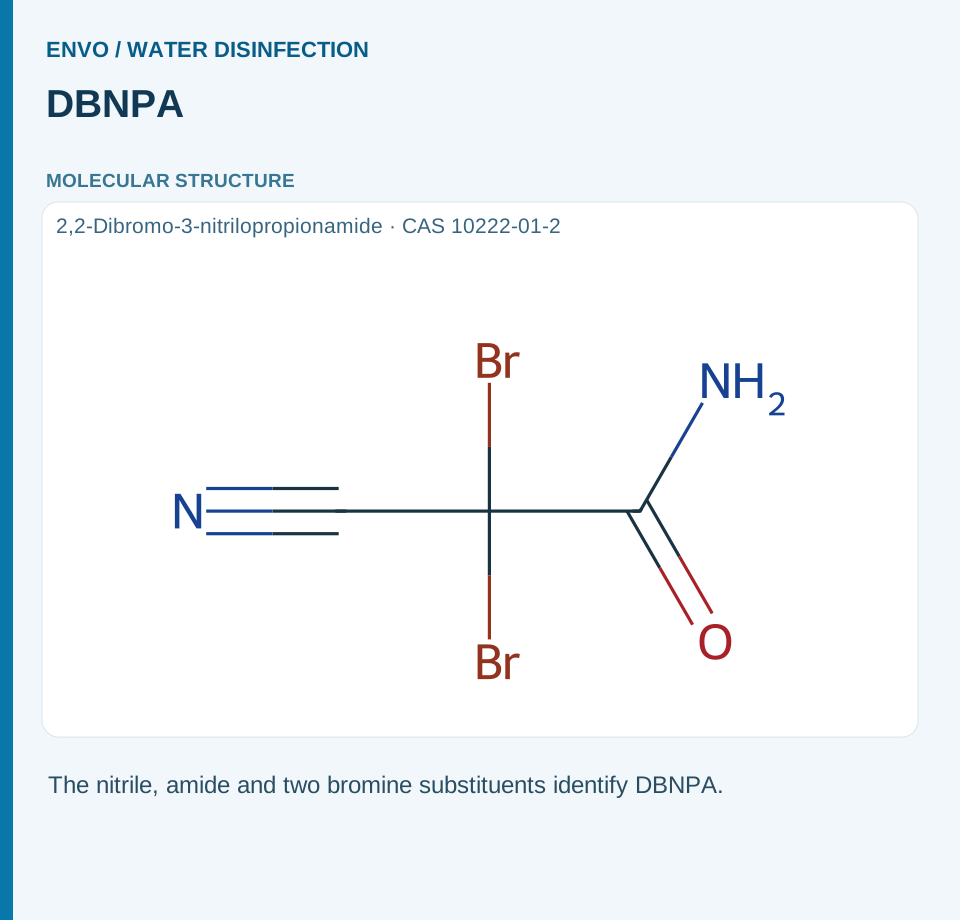
For microbial control in membrane systems and industrial water where the corresponding use is supported. Select formulated products according to membrane material, treatment stage and water quality; do not replace existing products solely on the basis of an active ingredient name.
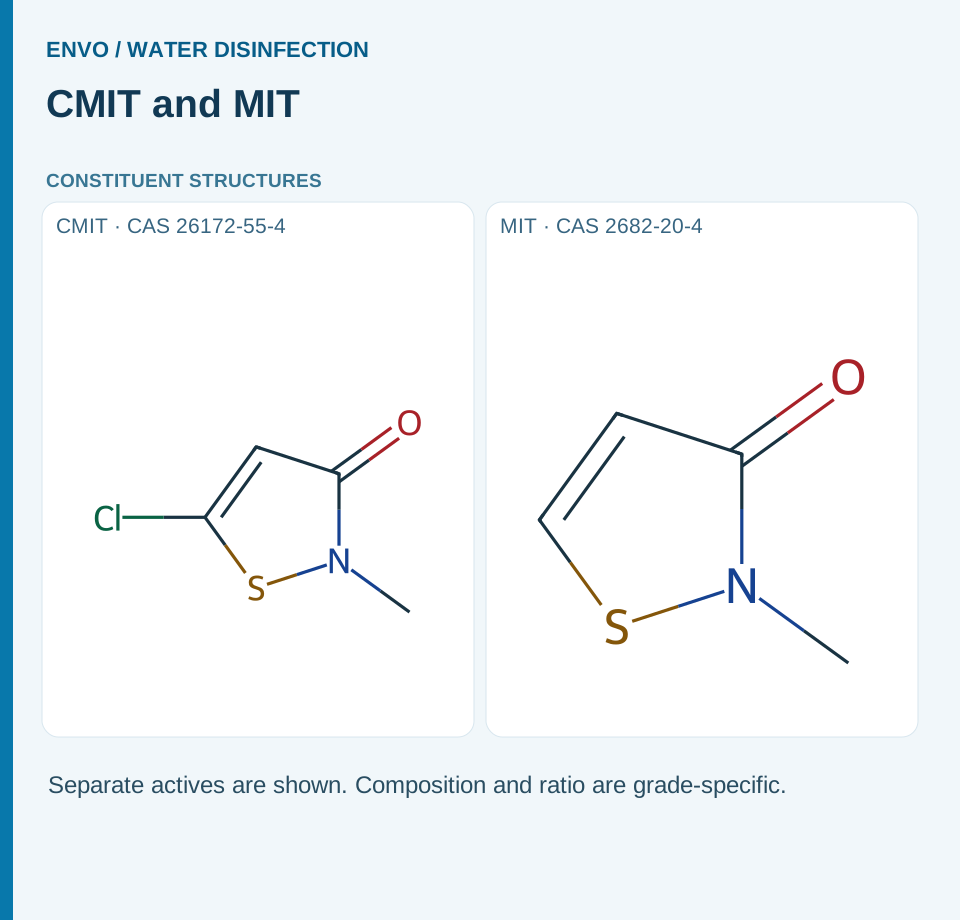
CMIT/MIT
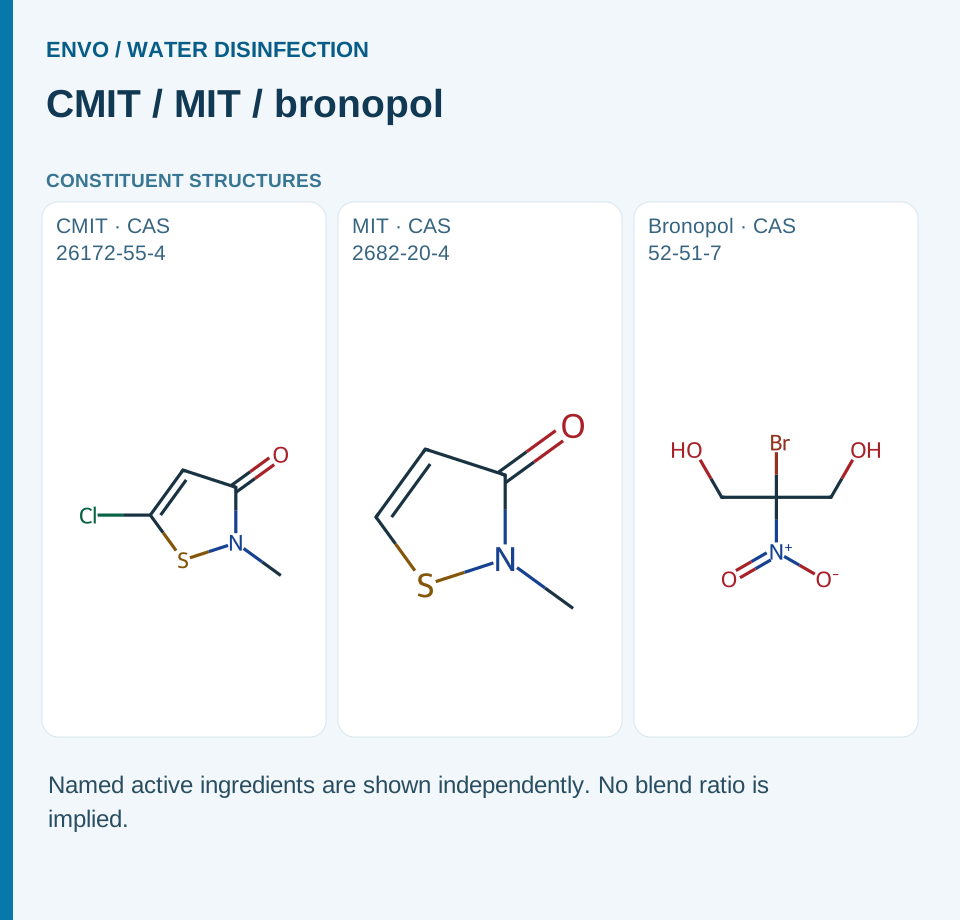
For industrial water and process microbial control with clearly defined uses. Distinguish CMIT/MIT from other isothiazolinones and include the stabilization system, actual operating conditions and target-market documentation in purchasing checks.
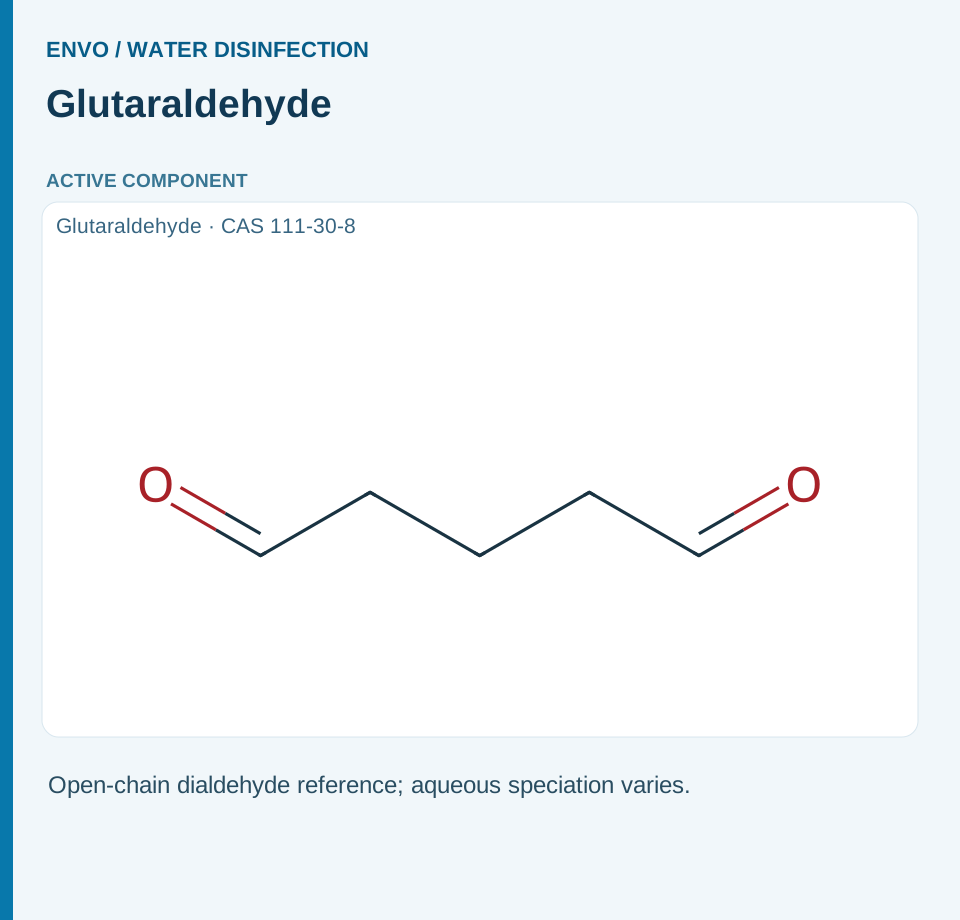
GDA
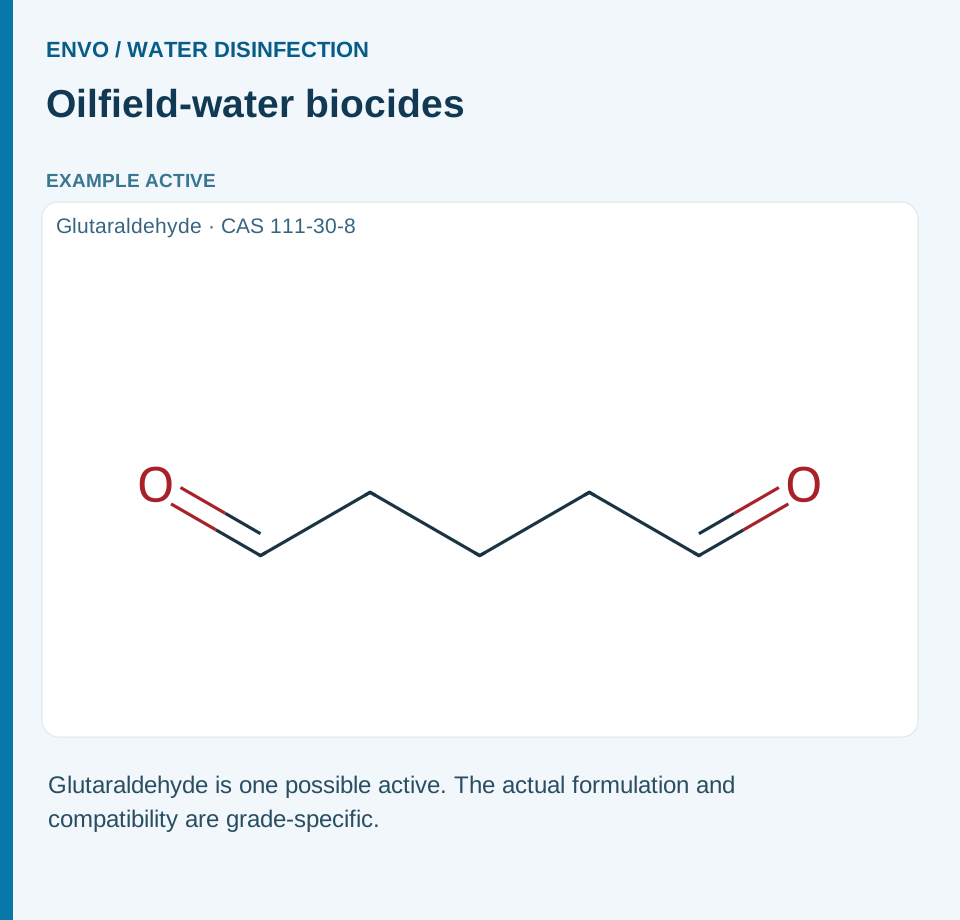
A candidate non-oxidizing ingredient for industrial recirculating water, papermaking and oilfield water. Purchasing should be supported by validation under actual fluid and contact conditions; industrial grades and formulated products dedicated to medical equipment must be considered separately.
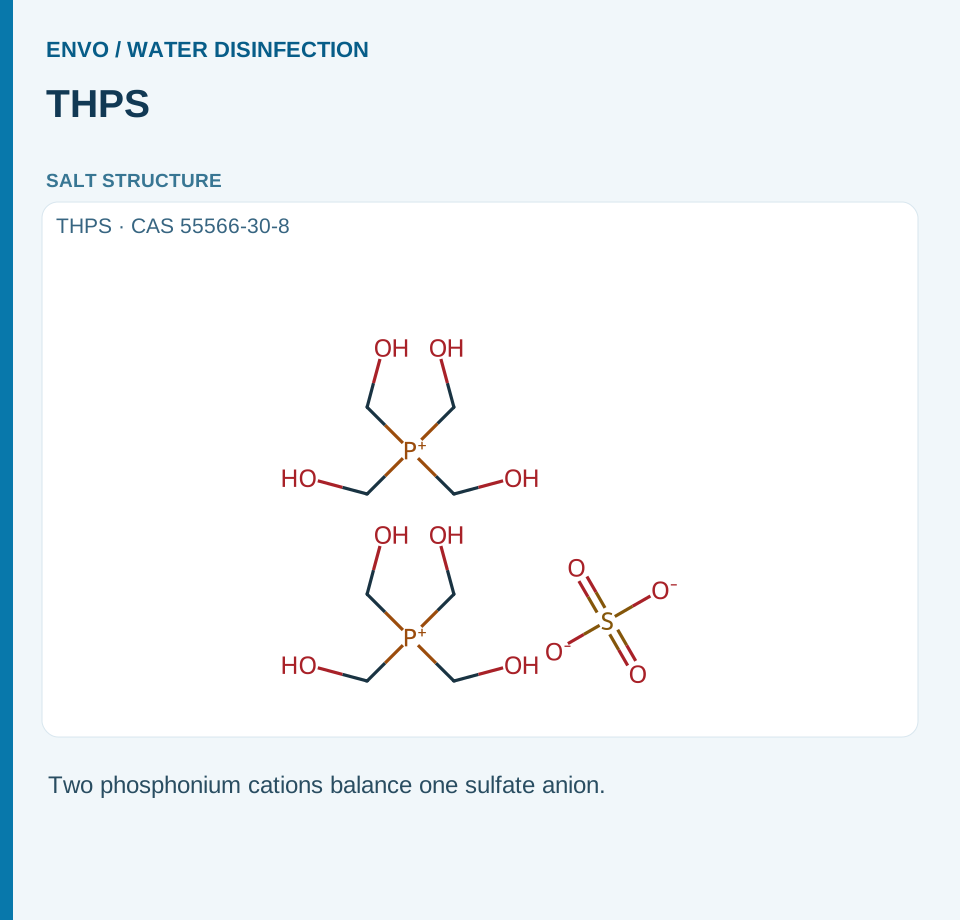
THPS
For oil and gas water-treatment biocide formulations with defined uses. Actual salinity, temperature, sulfides and SRB/APB test conditions must form part of the selection basis; a product name alone cannot guarantee field performance.
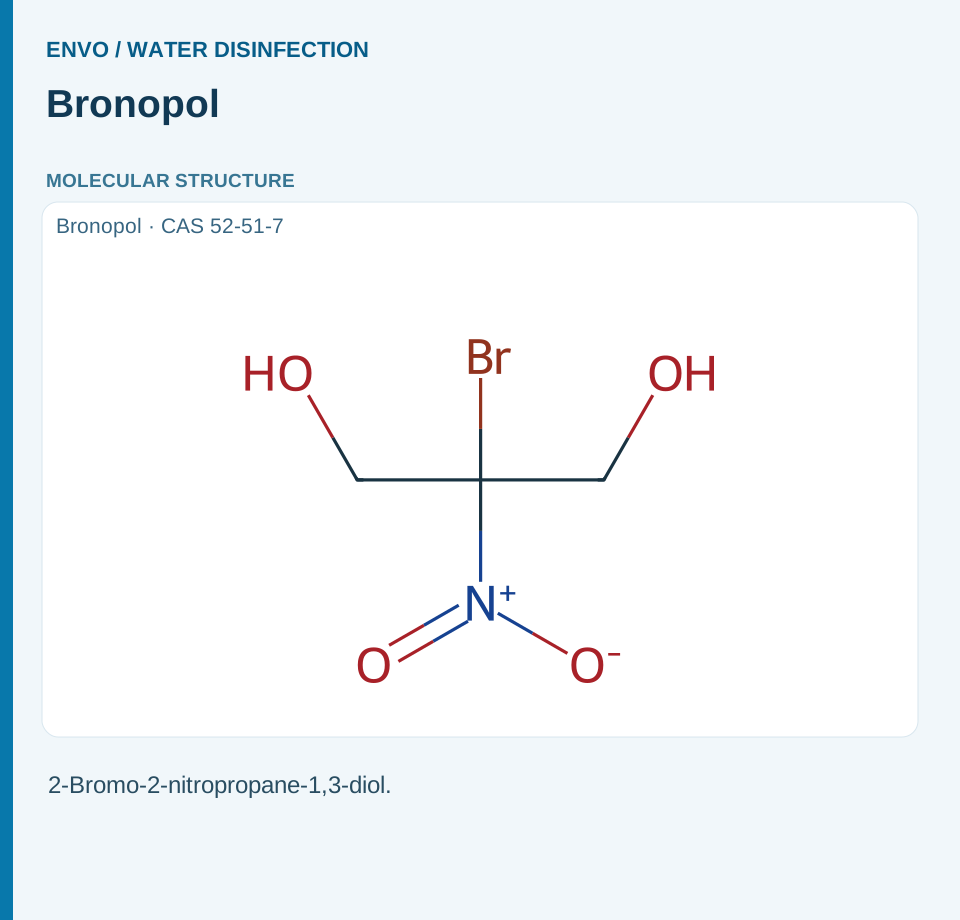
Bronopol
For industrial water microbial control products with defined uses. Check active ingredients, formulation compatibility and actual operating conditions, and distinguish single-active products from formulated blends.
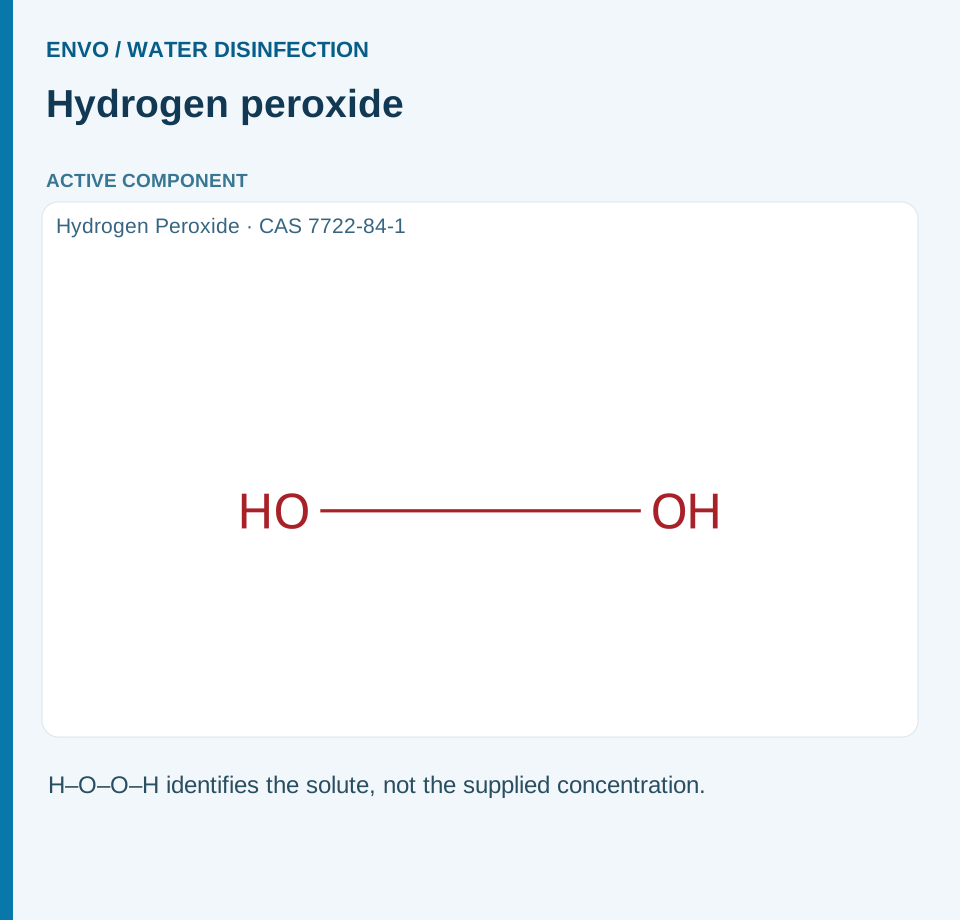
H₂O₂
For oxidation and system hygiene treatment with defined uses. Select according to the treatment target, formulated-product composition and residual-control requirements, distinguishing ordinary industrial products from dedicated-use formulations.
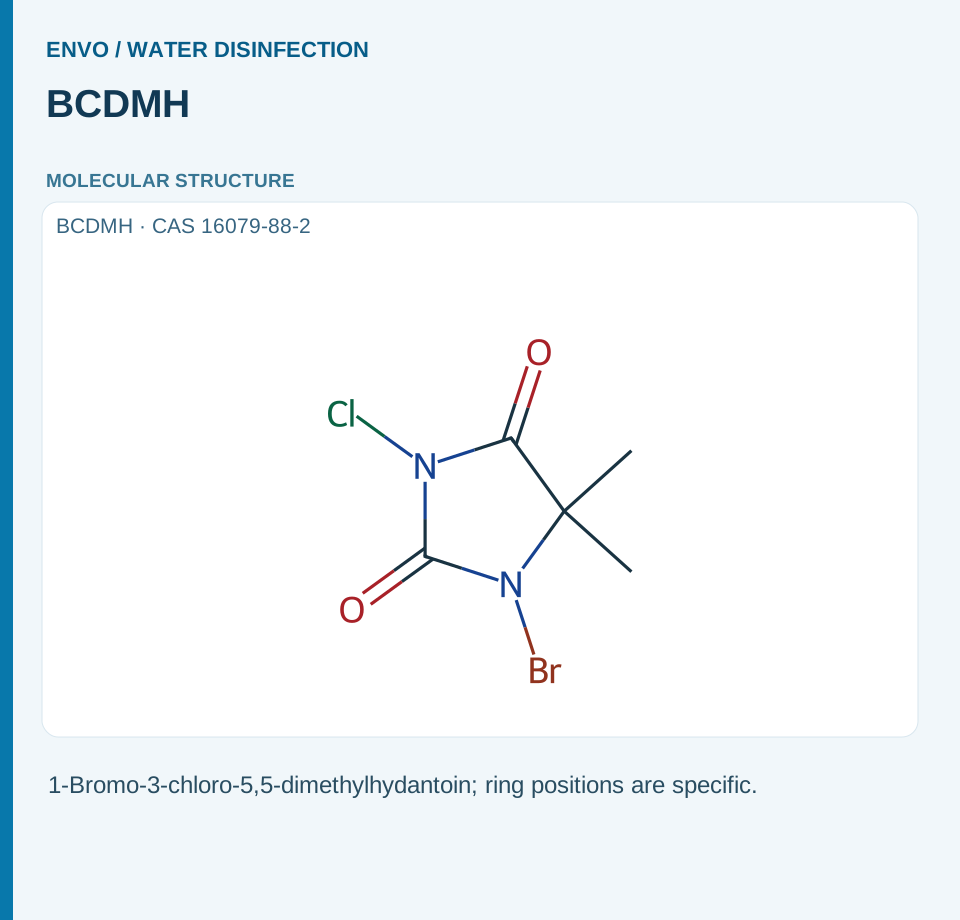
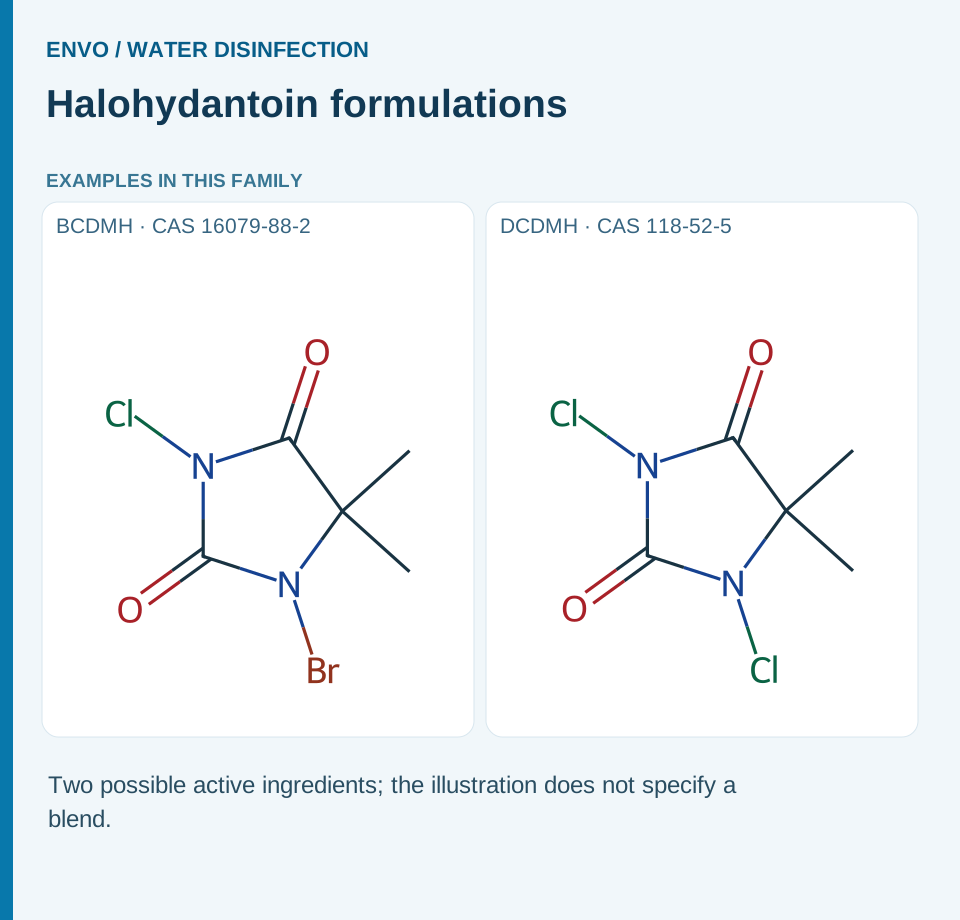
BCDMH
For selecting formulated products with defined uses in spas, pools and industrial recirculating water. Compare available halogen, finished-product composition and feeder compatibility to identify a specification matching the existing system.
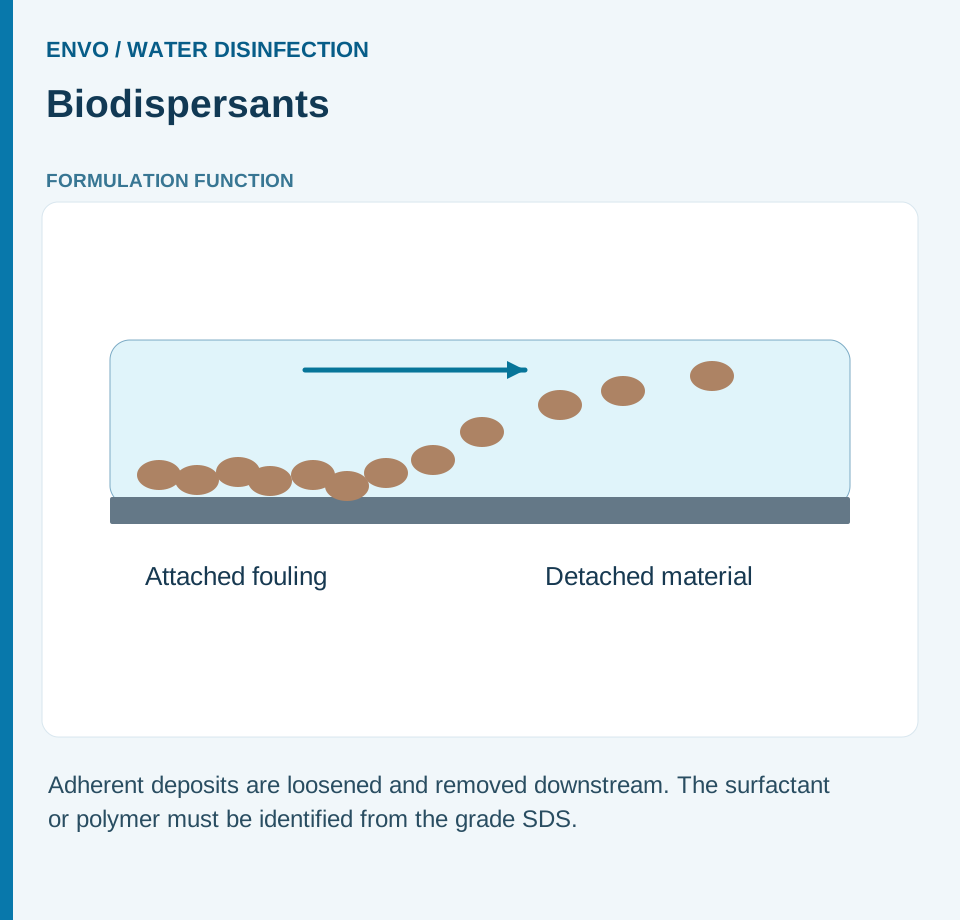
Supporting products
An auxiliary product for cleaning programs targeting adherent fouling and biofilms. Compatibility with the primary chemical, the fate of detached deposits and process quality are key; dispersal is not equivalent to microbial killing.
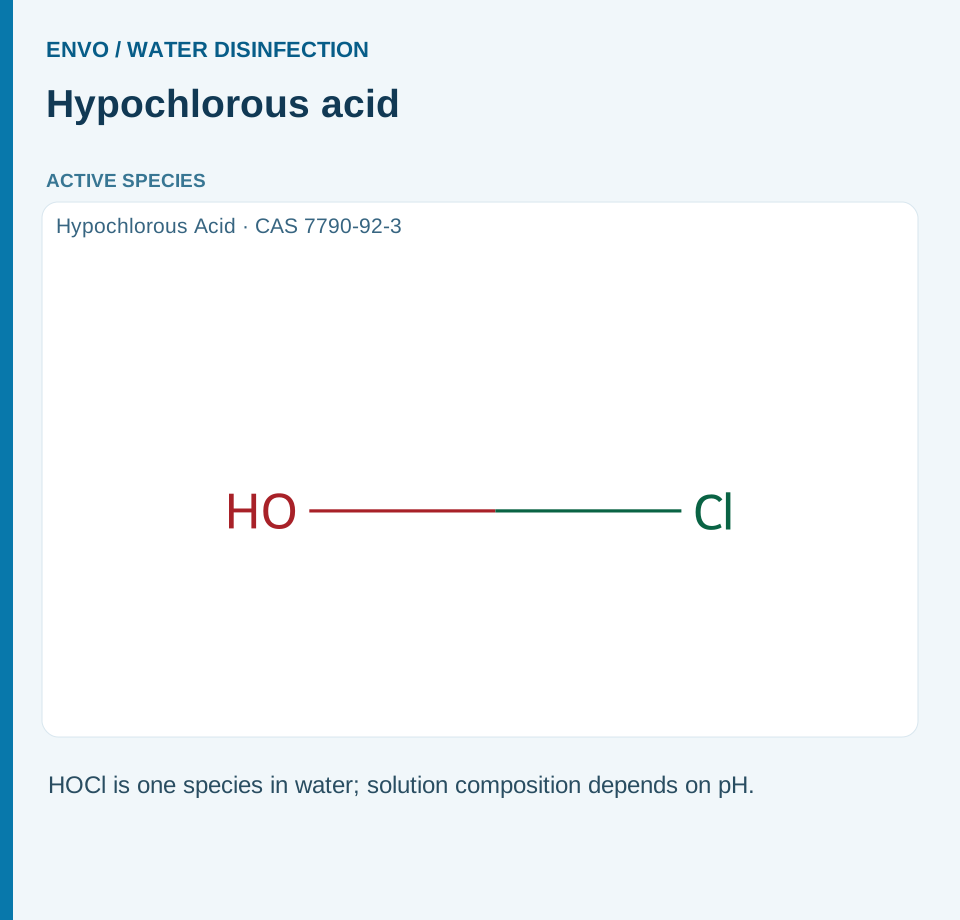
HOCl
A hypochlorous acid water approach verified against the complete product label and shelf life. Distinguish surface disinfection, electrolytically generated solution and water-treatment uses; the name hypochlorous acid does not automatically establish a drinking-water use.
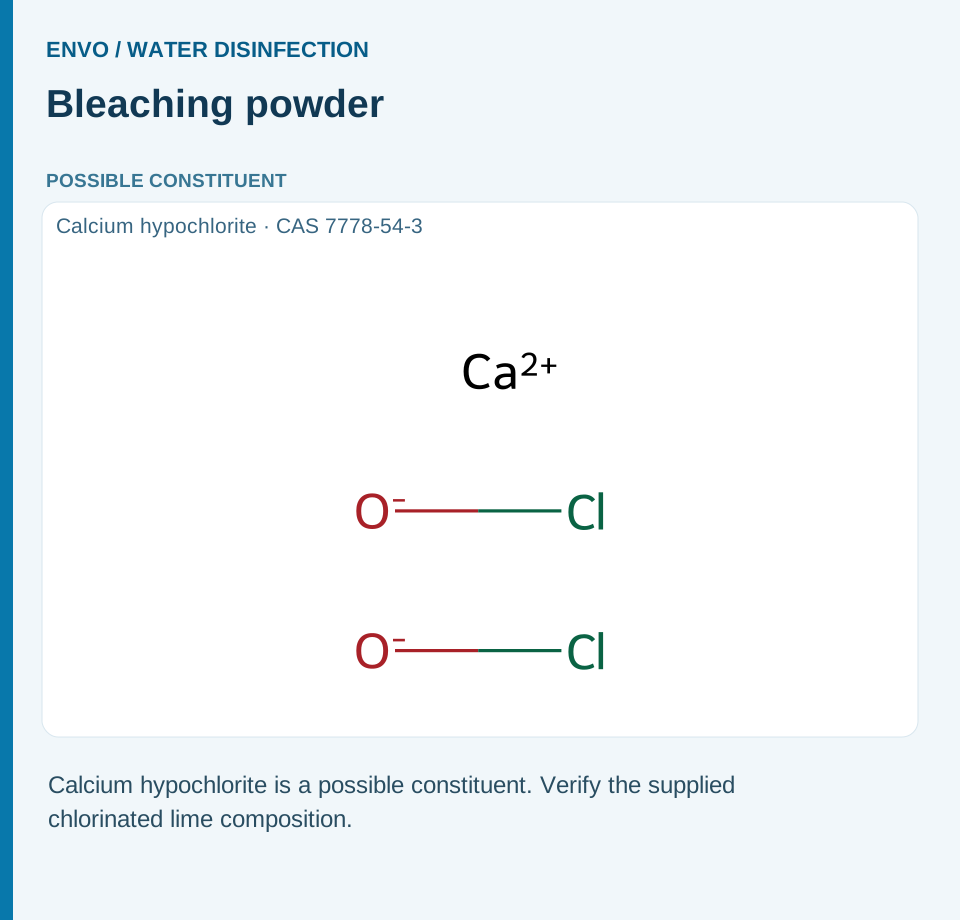
Bleaching powder
A broad name for solid chlorine-containing products. First clarify composition, available chlorine and insolubles; ordinary bleaching powder and high-test bleaching powder cannot be treated as the same specification.
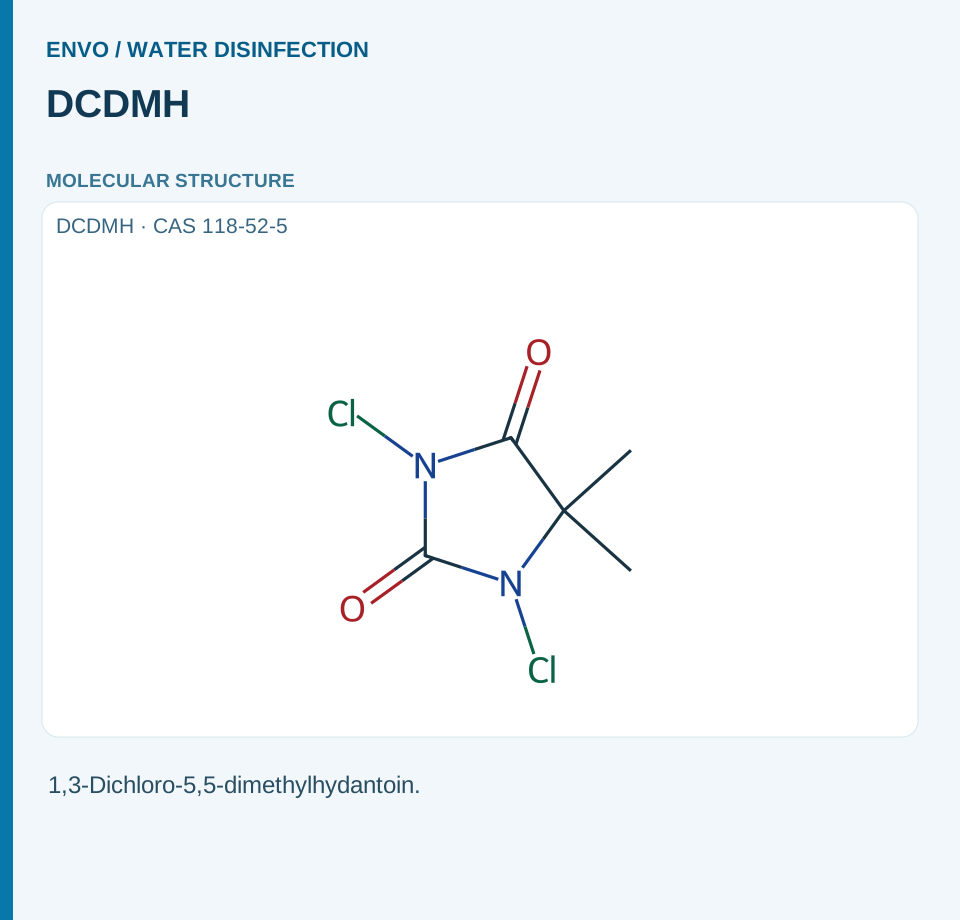
DCDMH
A chlorine-containing member of the halogenated hydantoin family, retained for specialized identity and label verification. Public historical review documents do not establish current use authorization for the product to be supplied.
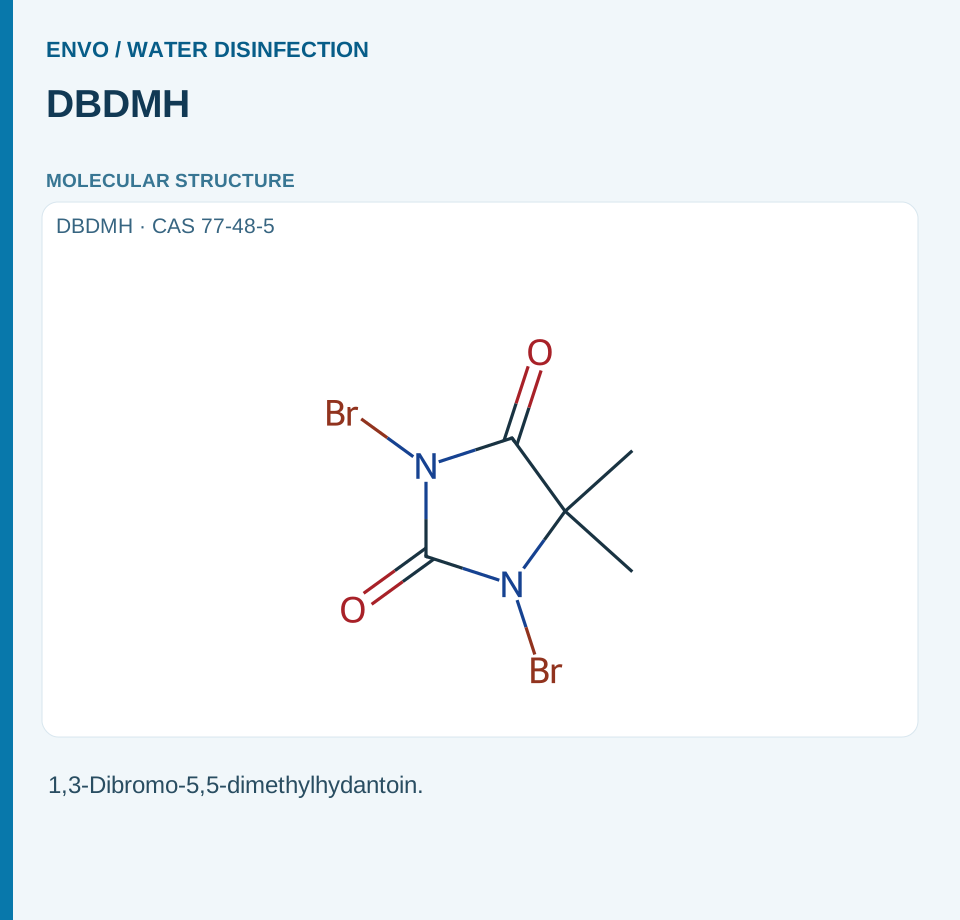
DBDMH
A solid bromine approach using dibromodimethylhydantoin as the active ingredient. Public manufacturer documentation supports technical uses in pool and industrial water; the specific formulated product must still be checked against its current label and equipment.
Stabilized bromine
A premanufactured bromine-based oxidizing formulation for comparison in industrial water applications. Stabilized bromine is a product category: identify the actual active species, stabilization system and analytical basis rather than inferring composition from the name.
Hydantoin blends
A formulated product category containing specific halogenated hydantoins such as BCDMH and DCDMH. Verify purchasing requirements against the complete product label; a blend's uses cannot be assigned to each individual raw material.
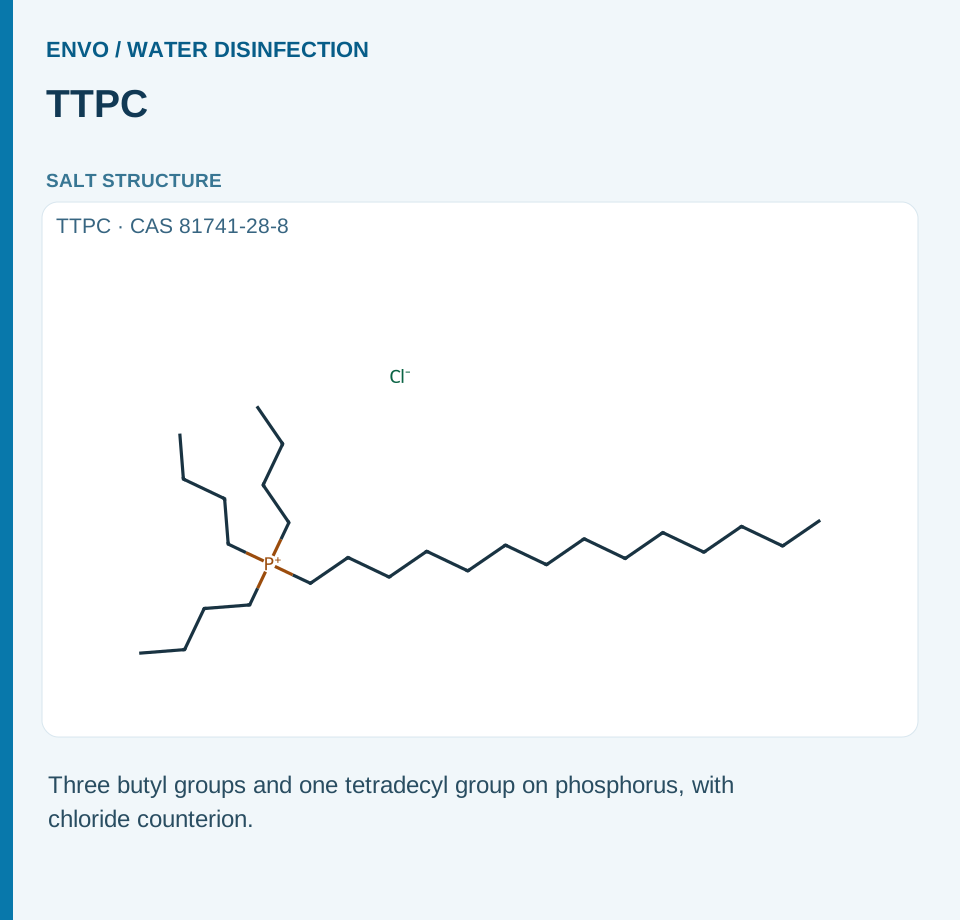
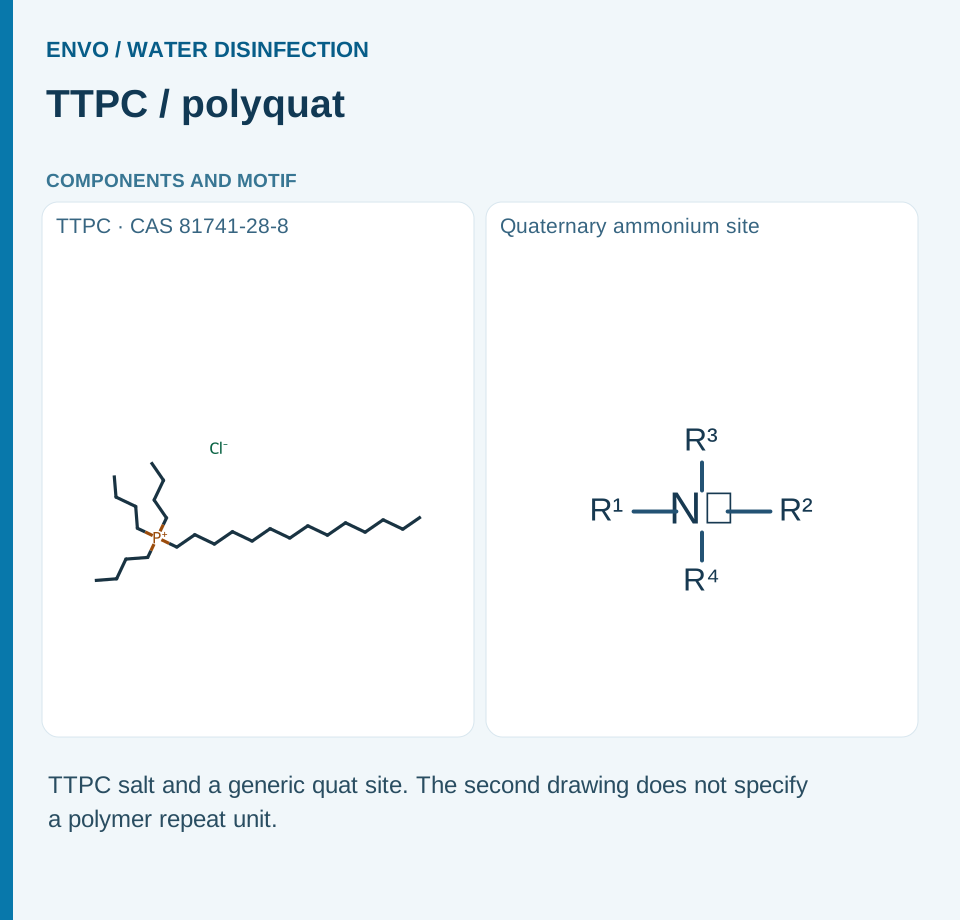
TTPC
A quaternary phosphonium candidate for industrial and oil and gas water. Compatibility of the cationic ingredient with actual fluids is a purchasing priority; it cannot directly replace THPS simply because both are quaternary phosphonium salts.
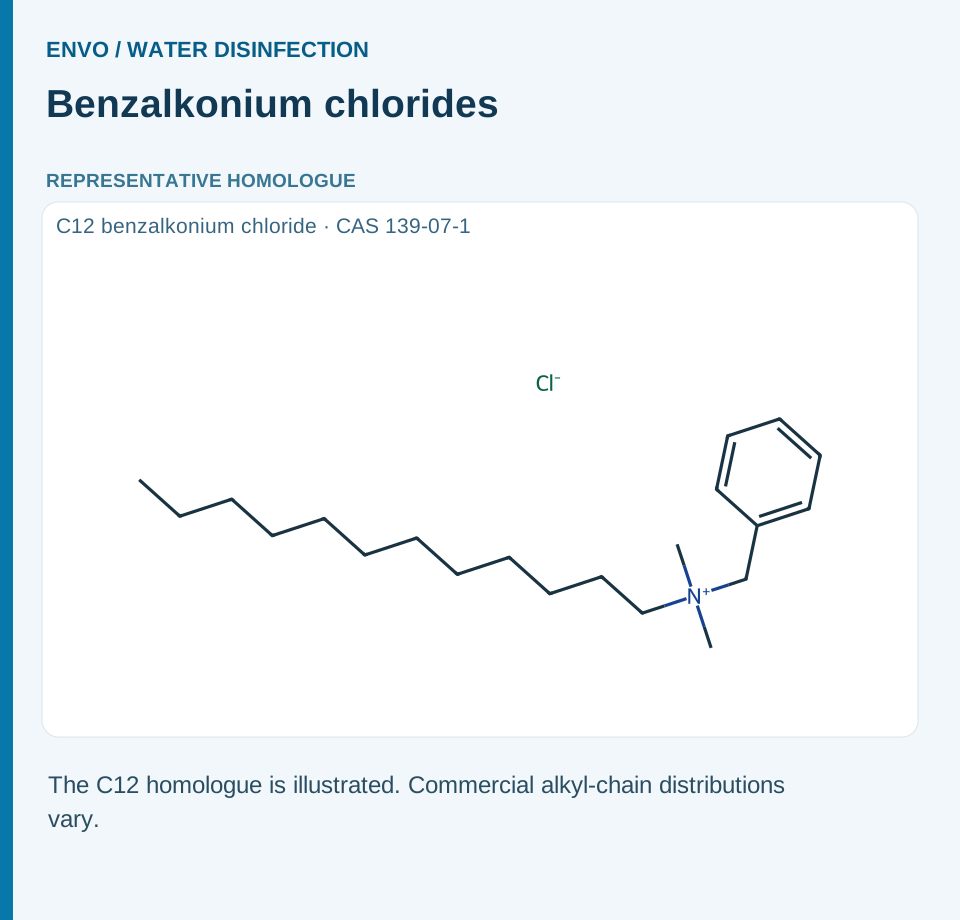
BKC / BAC
Quaternary ammonium active ingredients. Industrial water selection must identify the relevant alkyl chain distribution and complete formulated product. Documentation for surface disinfection, industrial water biocidal treatment and pool algae control is not interchangeable.
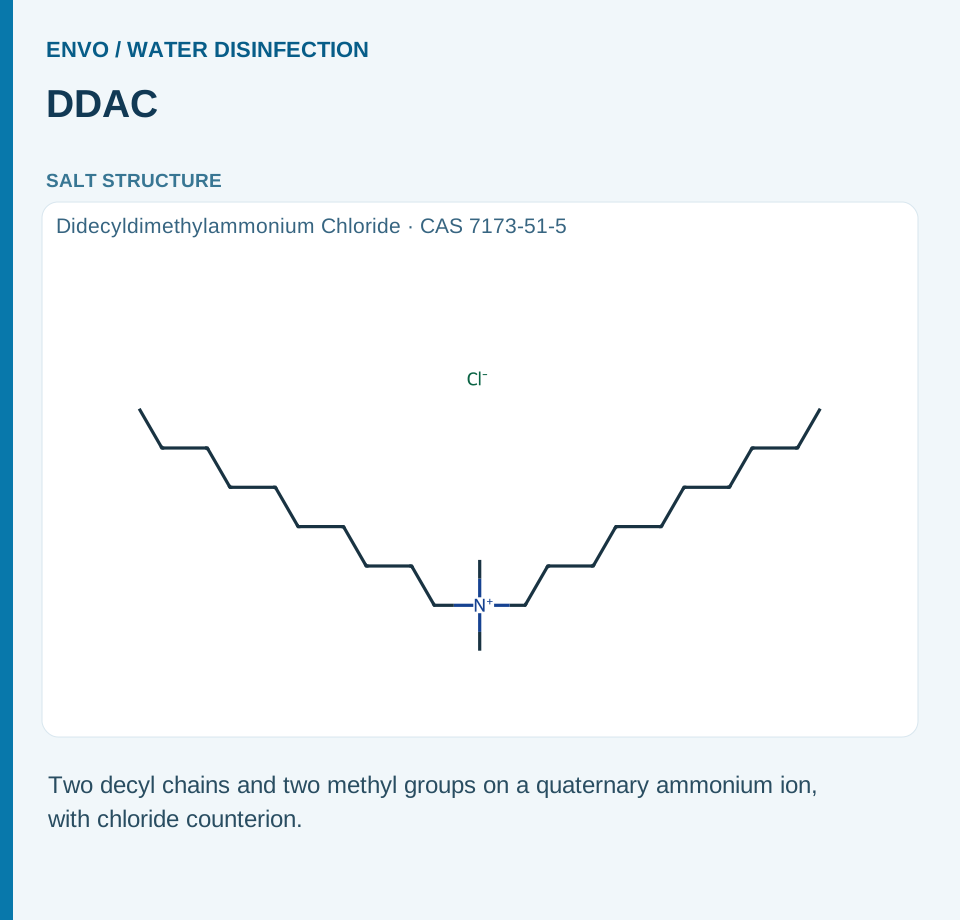
DDAC
A double-chain quaternary ammonium approach for screening industrial water formulations with defined uses. Confirm whether the product contains the didecyl compound alone, mixed double-chain quaternary ammonium compounds or a blend; the abbreviation DDAC alone is insufficient for acceptance.
Polyquat
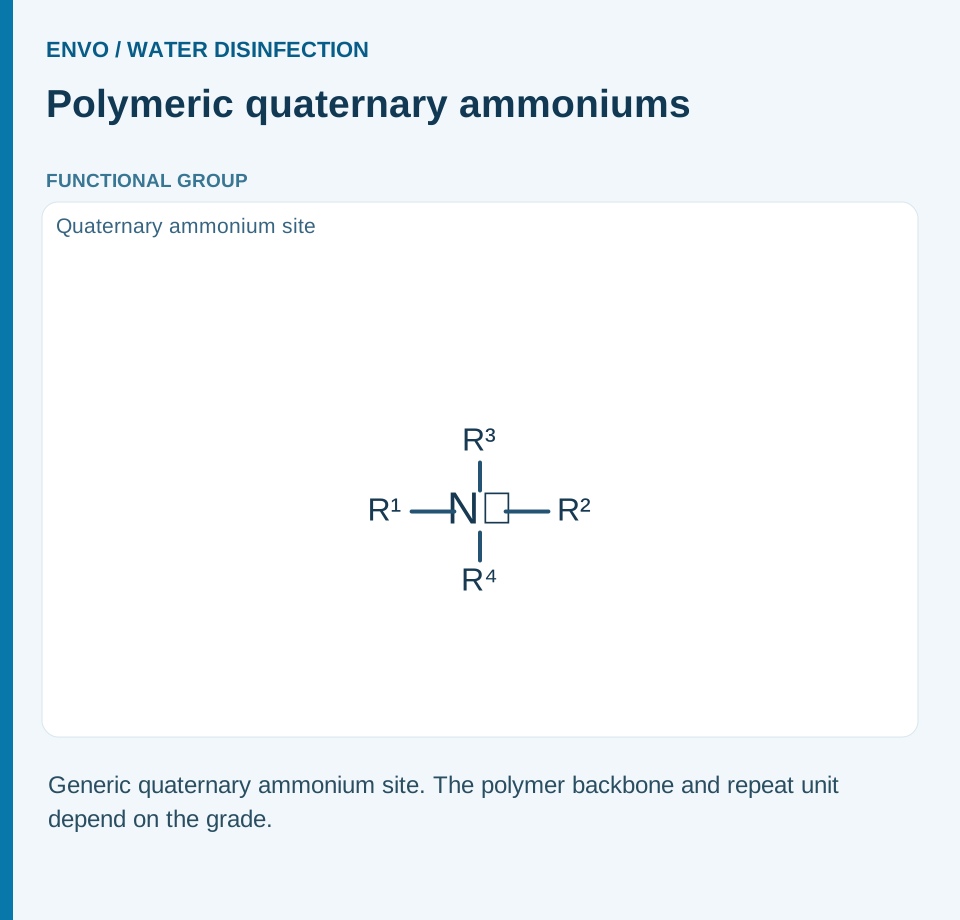
A polymeric quaternary ammonium category found in dedicated pool algaecides and industrial blends. Polyquat does not identify a single chemical; verify the specific polymer, intended use and compatibility with the primary disinfection system.
PHMB
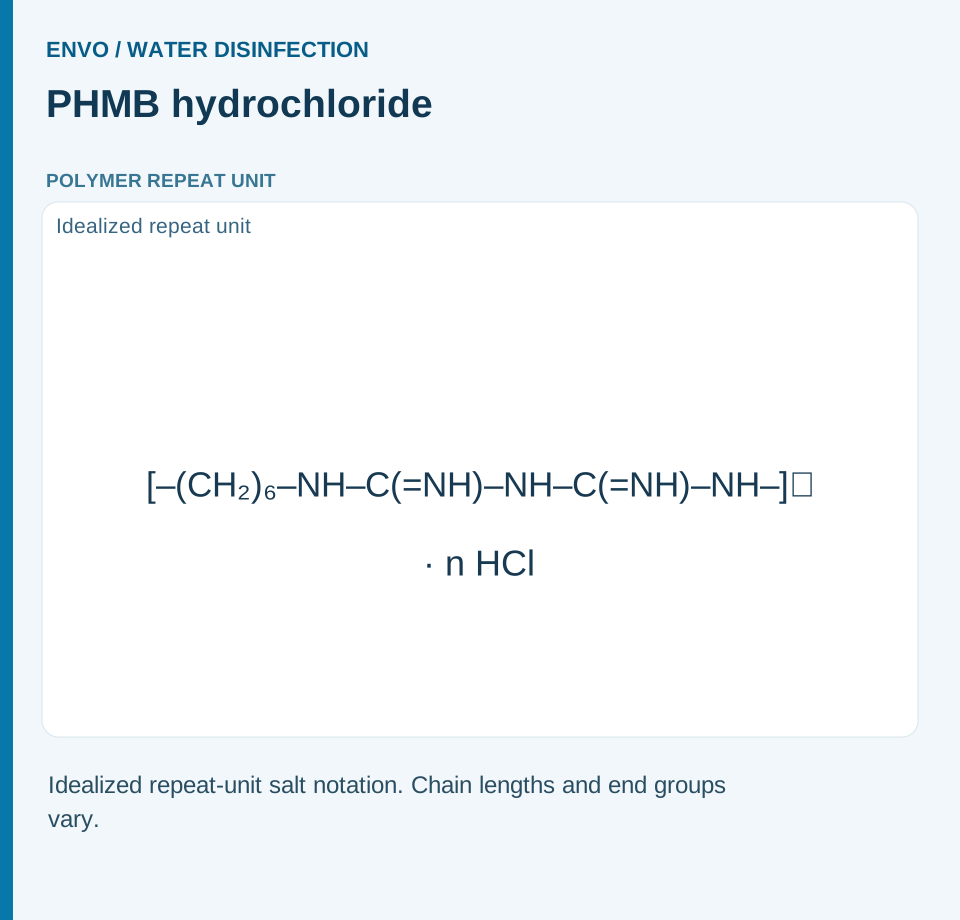
A biguanide approach used in certain alternative pool disinfection systems and industrial blends. Fully verify system conversion, supporting oxidation and maintenance procedures; it cannot simply be added to an existing chlorine program.
DGH
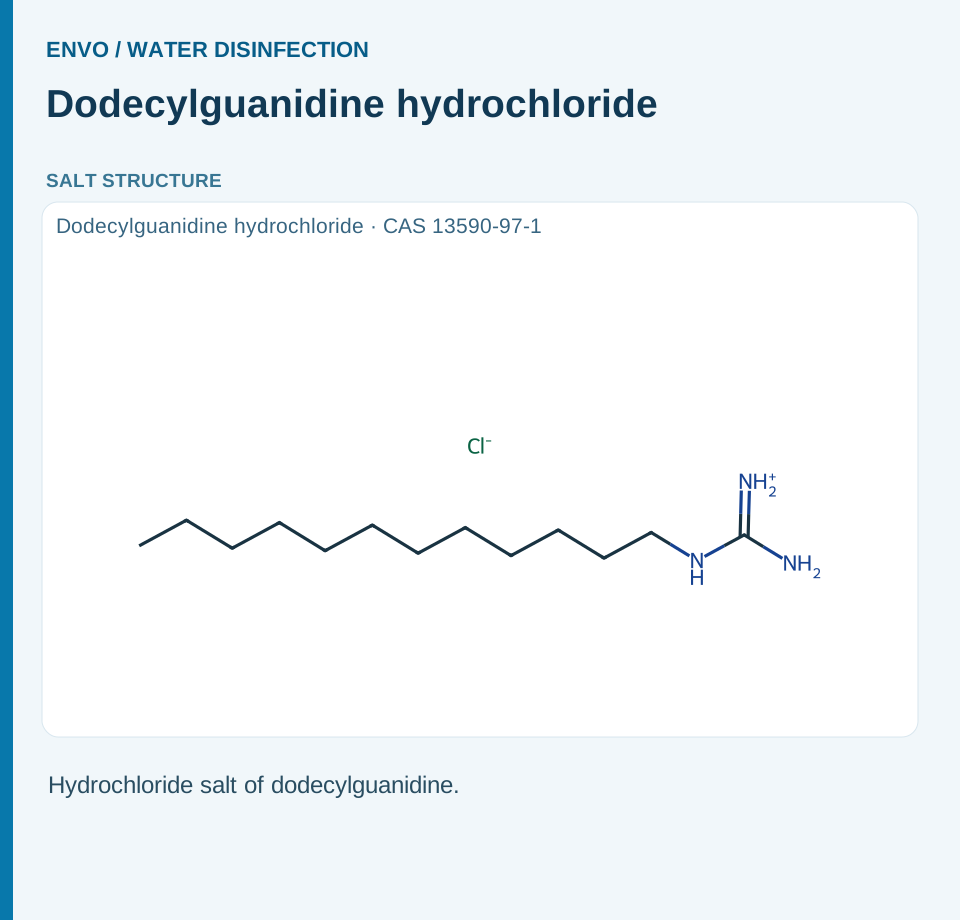
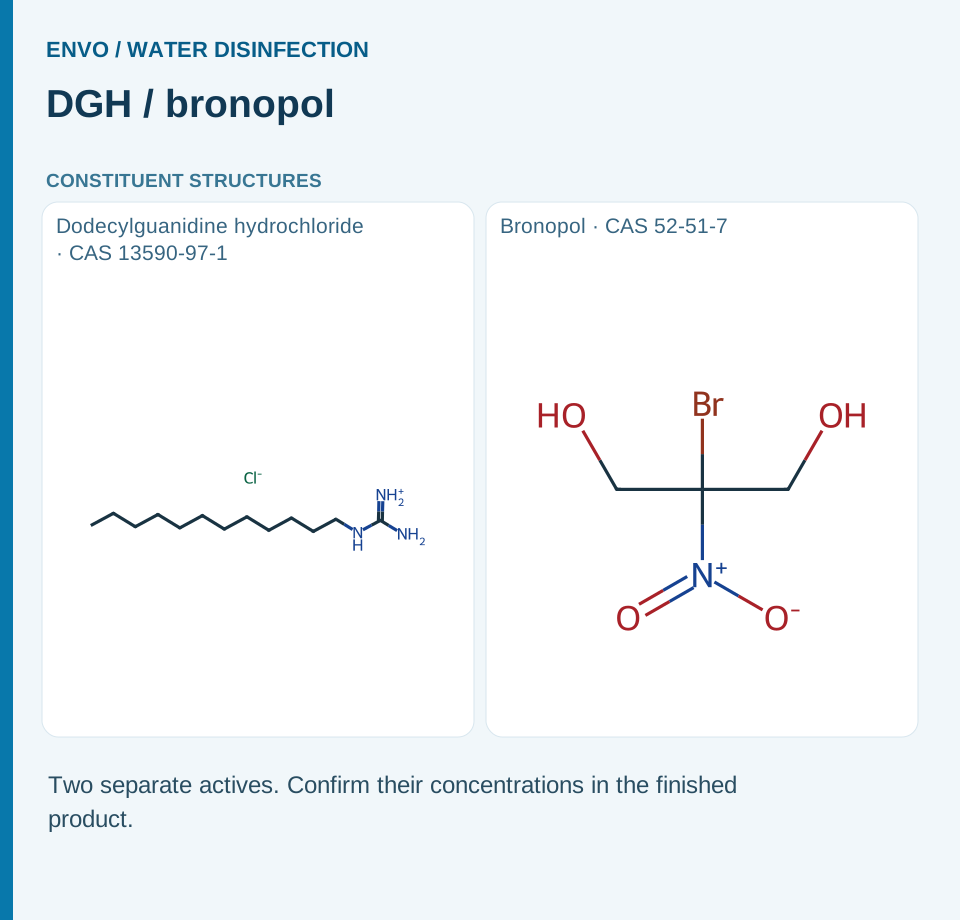
A non-oxidizing ingredient to evaluate for industrial recirculating water. Its cationic character, the complete formulated product and compatibility with actual water samples are selection priorities; DGH/Bronopol blends require separate evaluation as complete formulations.
MBT / MTC
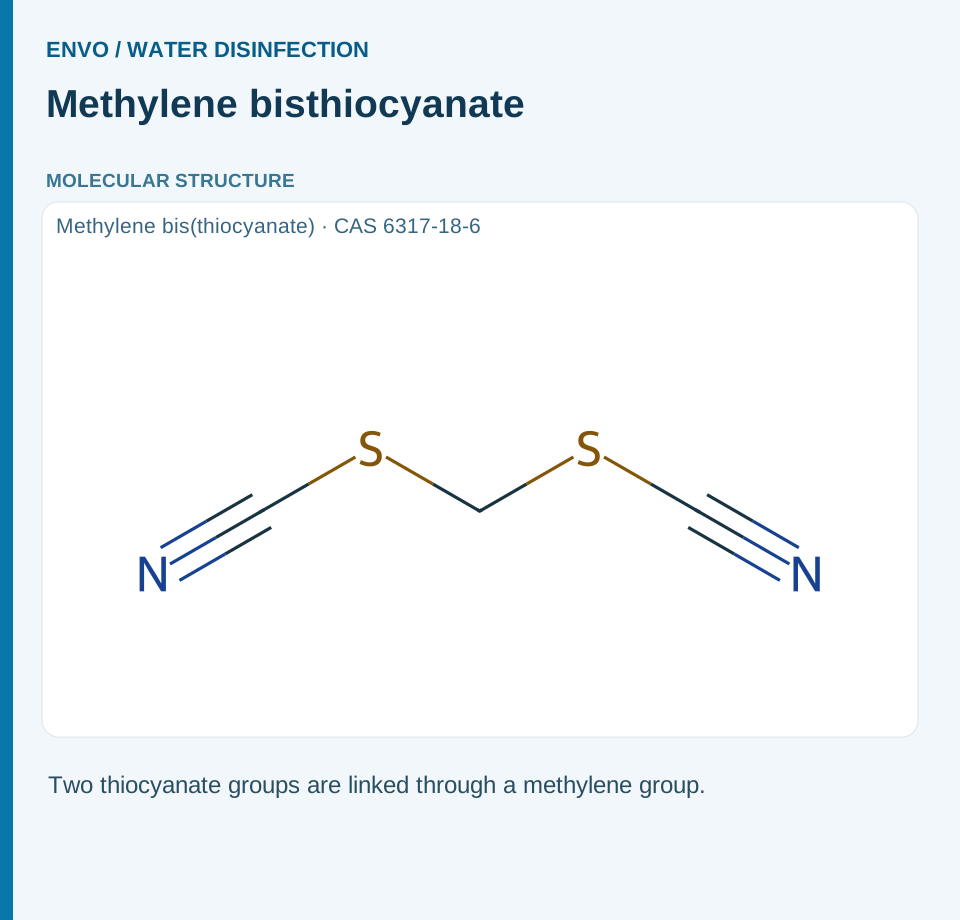
Retained as a specialized option requiring verification, with historical industrial water uses. First resolve ambiguity in the abbreviation MBT, then check the current product label, closed metering and occupational exposure conditions.
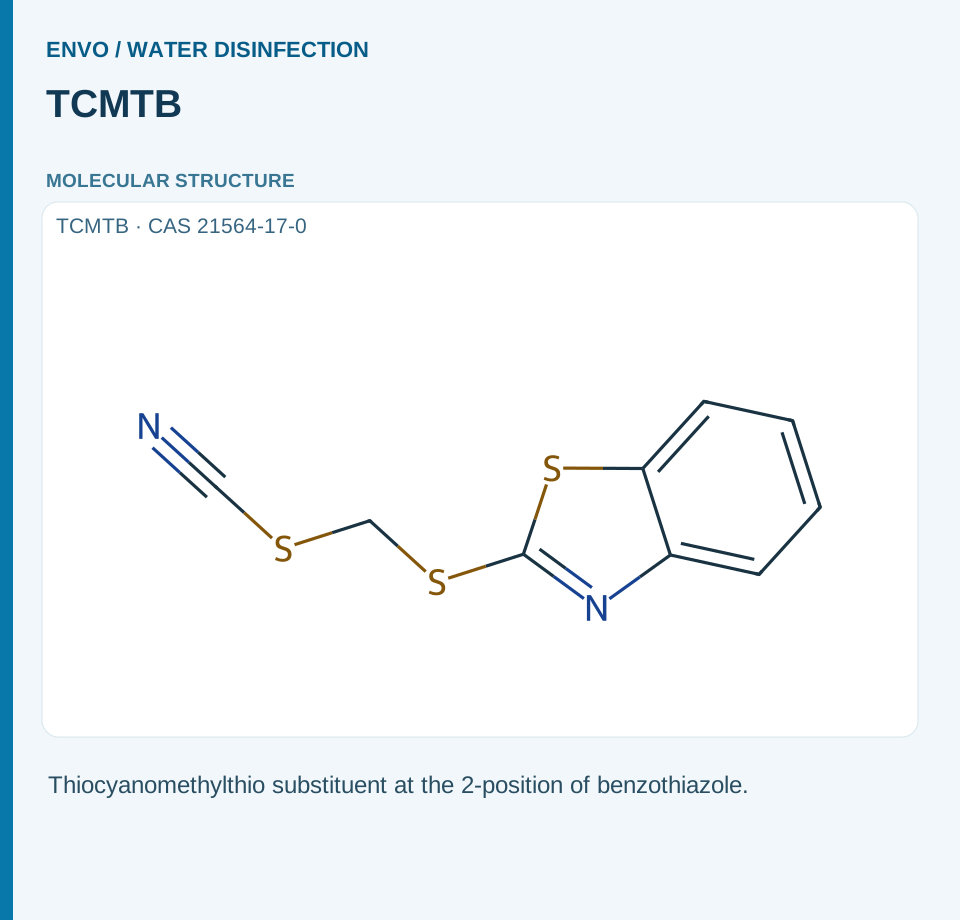
TCMTB
Retained only for specialized verification of specific industrial processes and mold-protection products. Public manufacturer information lists uses such as leather and metalworking fluids; this does not establish general water-disinfection suitability.
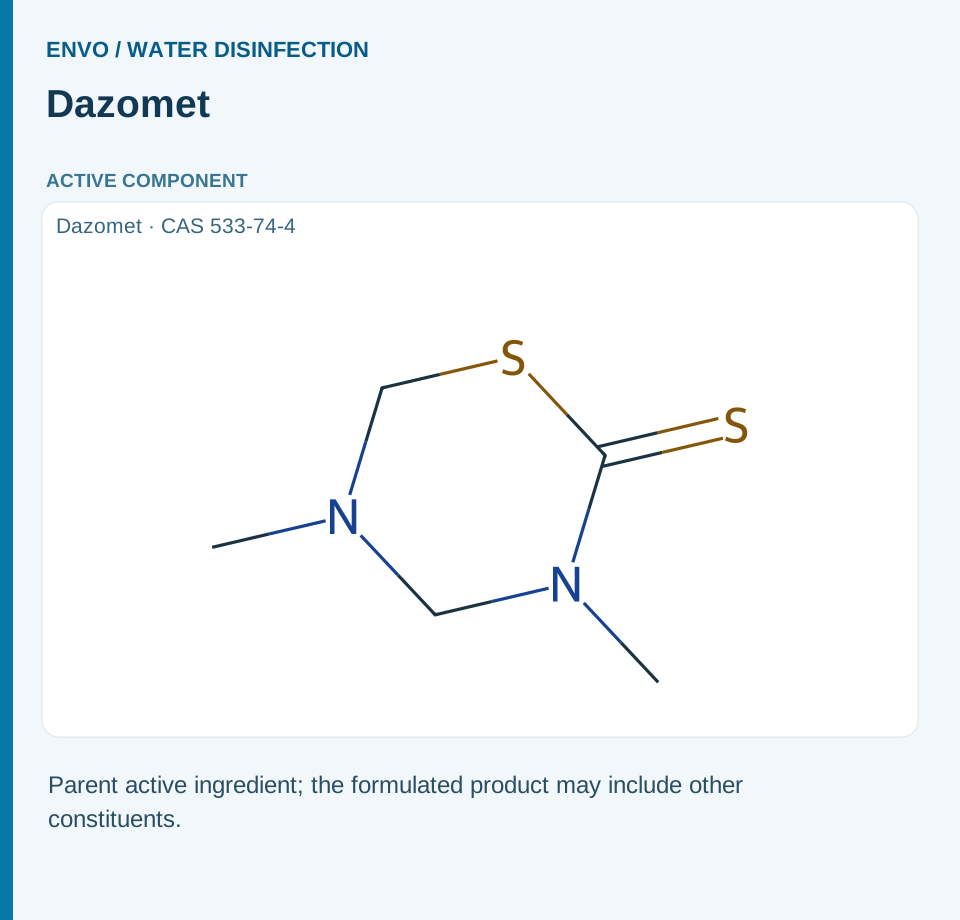
Dazomet
Manufacturers list formulated product approaches for industrial cooling water, which must be strictly distinguished from agricultural soil-use products. Proceed to final purchasing selection only when current product documents cover the relevant water circuit.
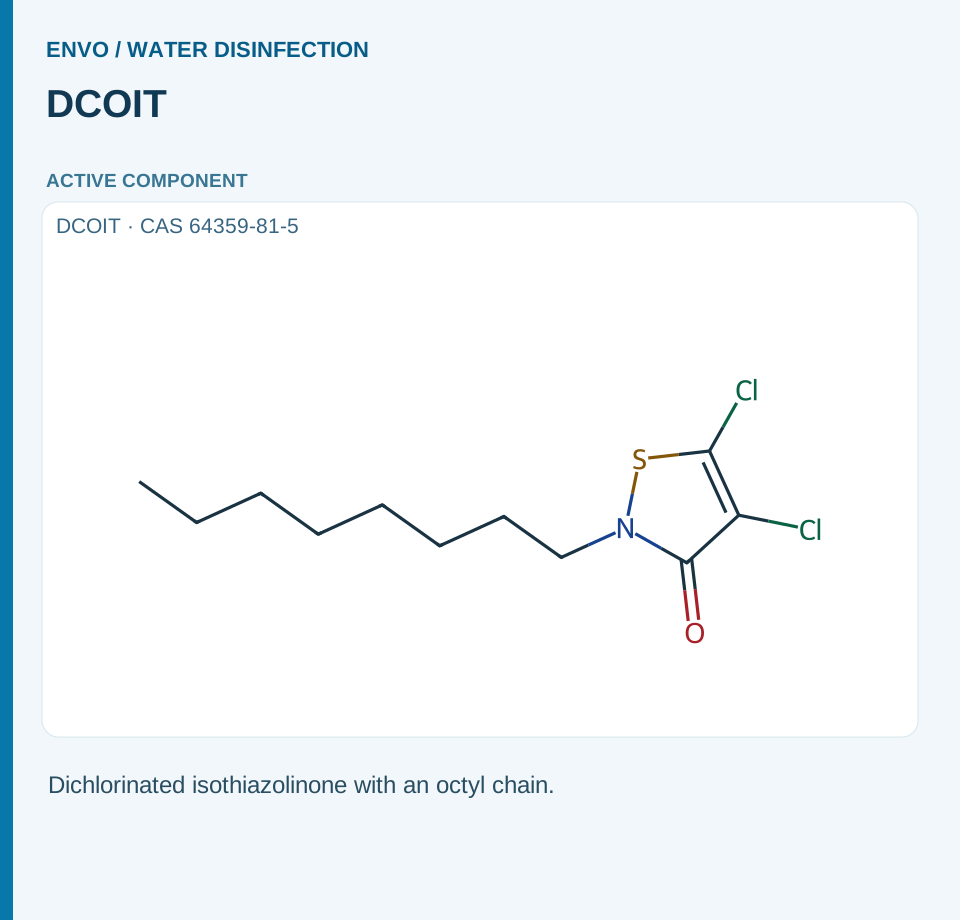
DCOIT
Manufacturers offer specific formulations for industrial water microbial and algae control. Verify the dispersion system and industrial water uses of the formulated product; products for coatings or antifouling materials cannot be substituted directly.
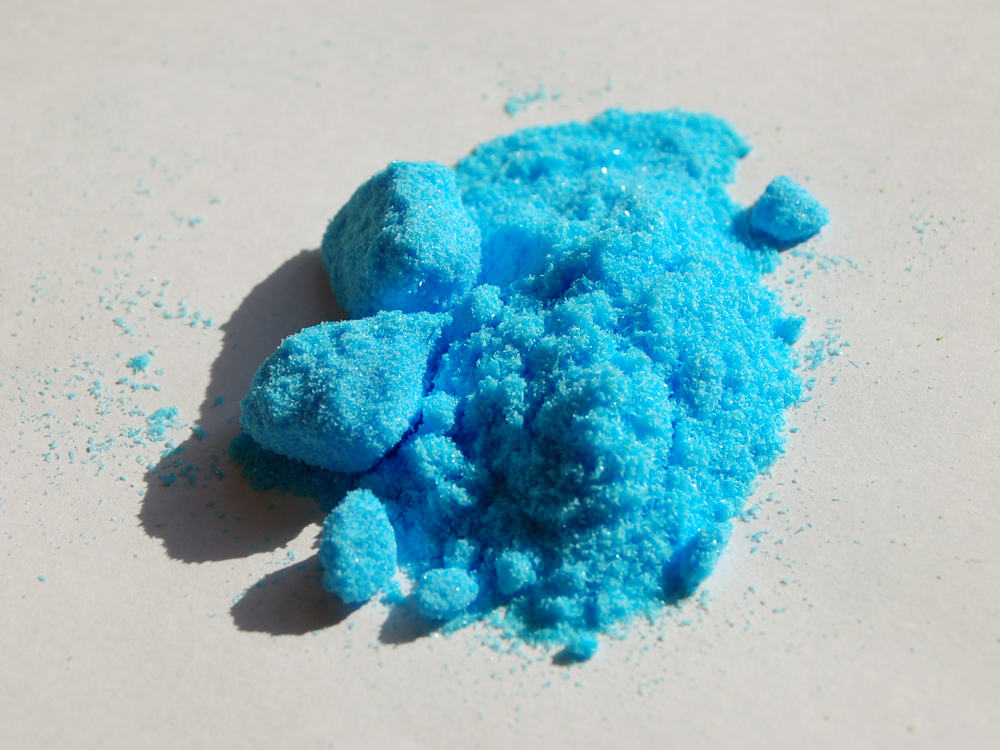
Sample photographCuSO₄
A specialized approach for confirmed algae problems. Water hardness, alkalinity, fish and water-abstraction uses affect selection; algae control and drinking-water pathogen disinfection require separate management.
Chelated copper
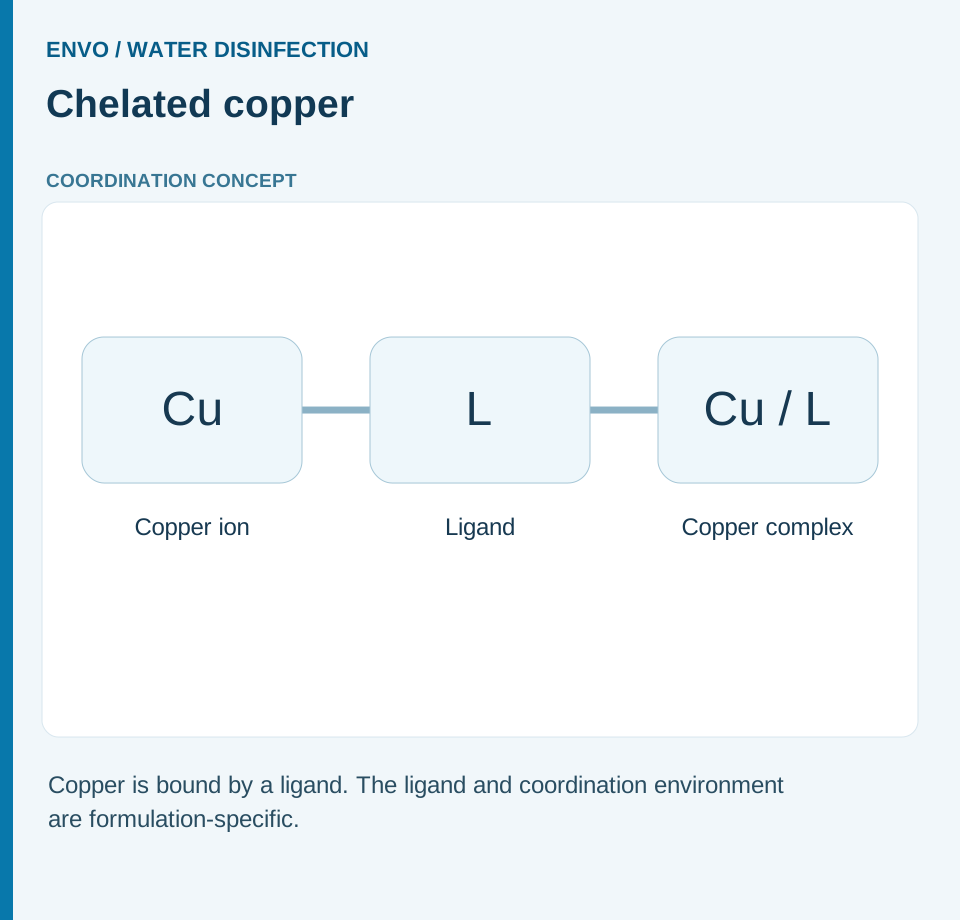
Aquatic algaecide formulations containing copper and complexing components. Compare metallic copper equivalents and complete labels; chelation does not eliminate effects on fish, sediments or discharge.
SPC
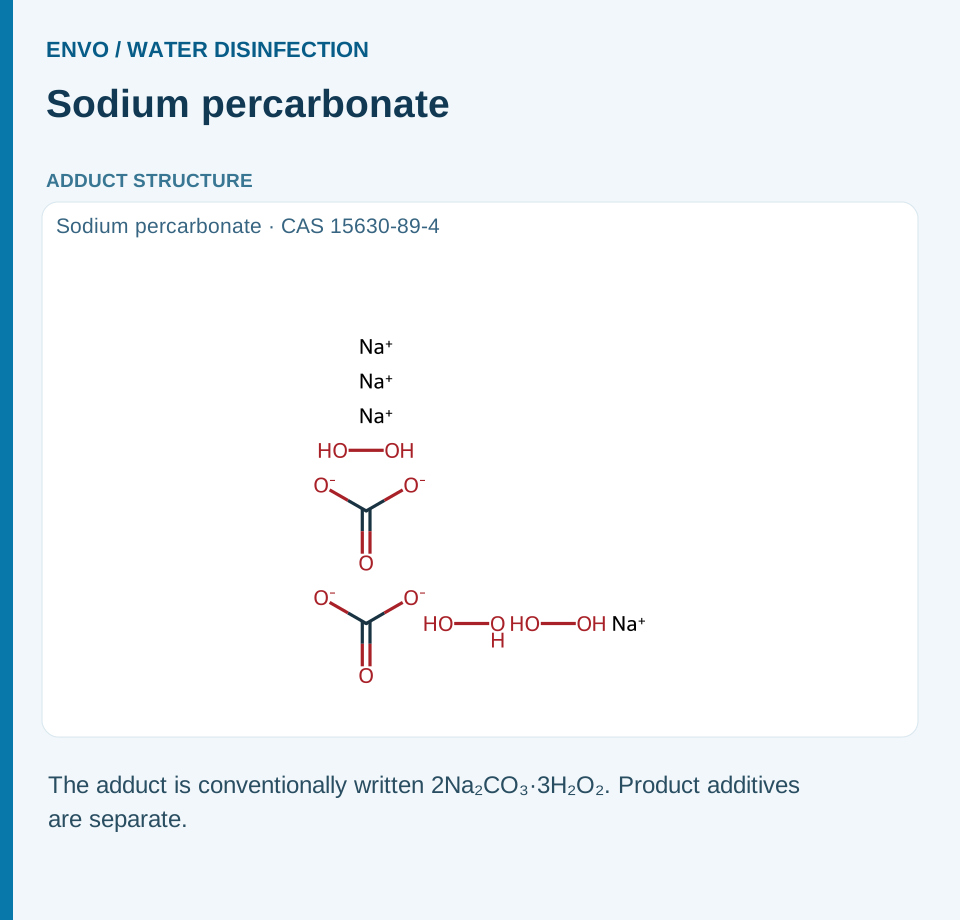
An aquatic algaecide approach based on sodium percarbonate. Distinguish detergent-grade raw materials from formulations with defined aquatic uses, and validate effects on target algae and non-target organisms.
Terbuthylazine
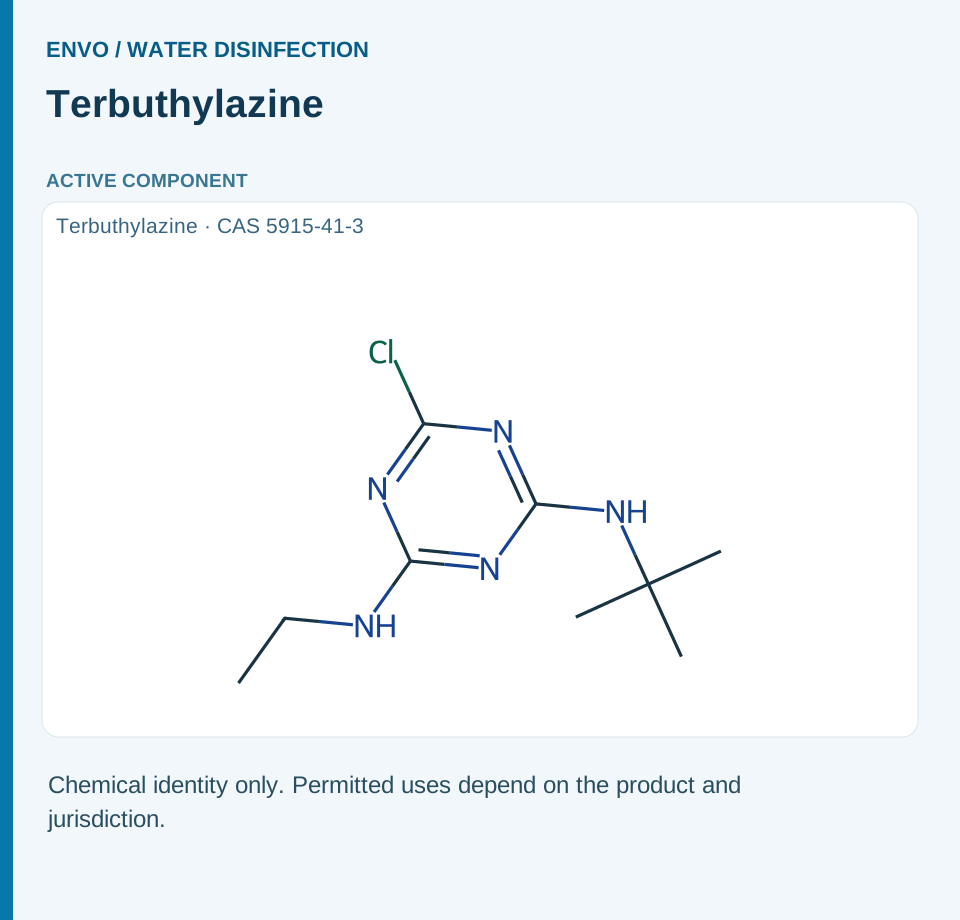
Historical documents record industrial cooling-water algae-control uses. This page retains only a limited approach for document verification; the current label for the proposed product has not been confirmed, and natural-water-body uses are not automatically recommended.
GDA + Quat
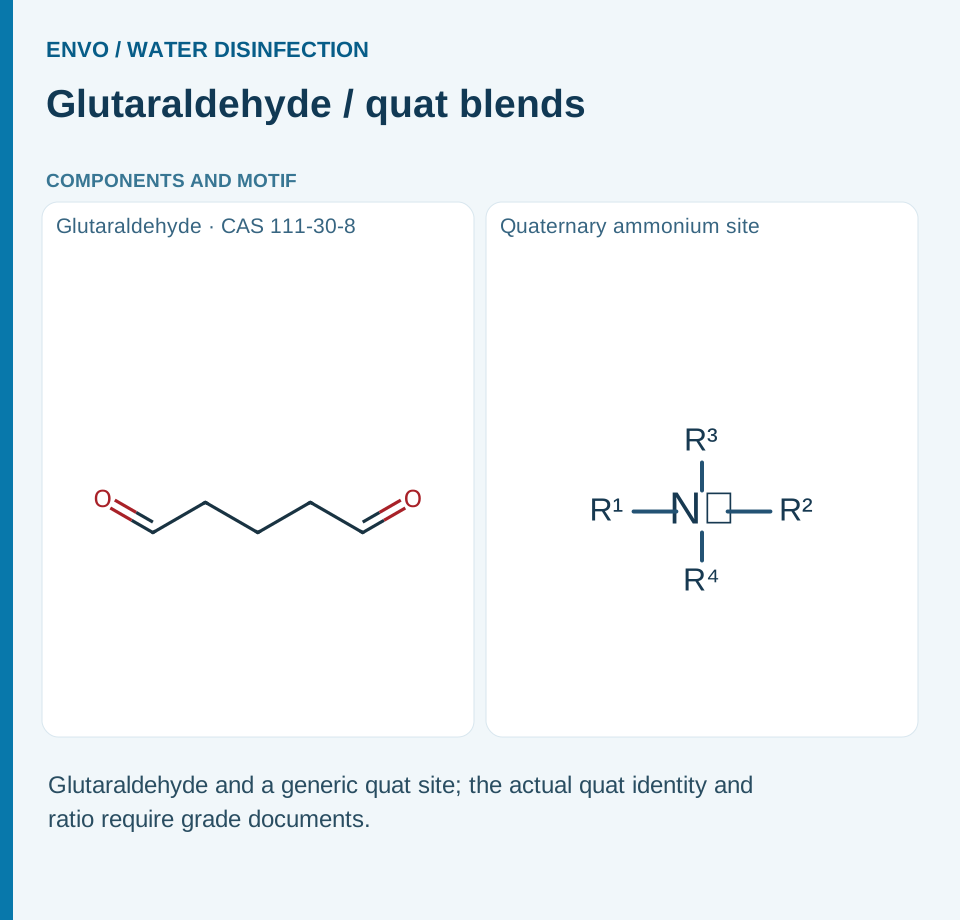
A blend technology with publicly documented oil and gas applications. Evaluate biocidal efficacy, fluid compatibility and stability of the complete formulated product; do not combine data for two separate ingredients into a performance claim for the blend.
CMIT/MIT + BP
A non-oxidizing blend type documented in public cooling-water information. Identify both groups of active ingredients and the stabilization system, and confirm the actual water circuit rather than borrowing uses established for coating preservation.
DGH + BP
A blend type supported by manufacturer information for industrial cooling water. Consider DGH's cationic character together with Bronopol's operating requirements, with particular attention to compatibility of the complete formulation.
TTPC + Polyquat
A cationic blend type found in public oil and gas water product documentation. Verify the complete polymer identity, salinity, fluid additives and process performance together with biocidal efficacy.
Membrane-specific products
A starting point for verifying formulated products against specific membrane models and treatment stages. DBNPA-based approaches and equipment-permitted peroxygen approaches may be compared, but a membrane-specific description cannot replace evidence from the membrane manufacturer.
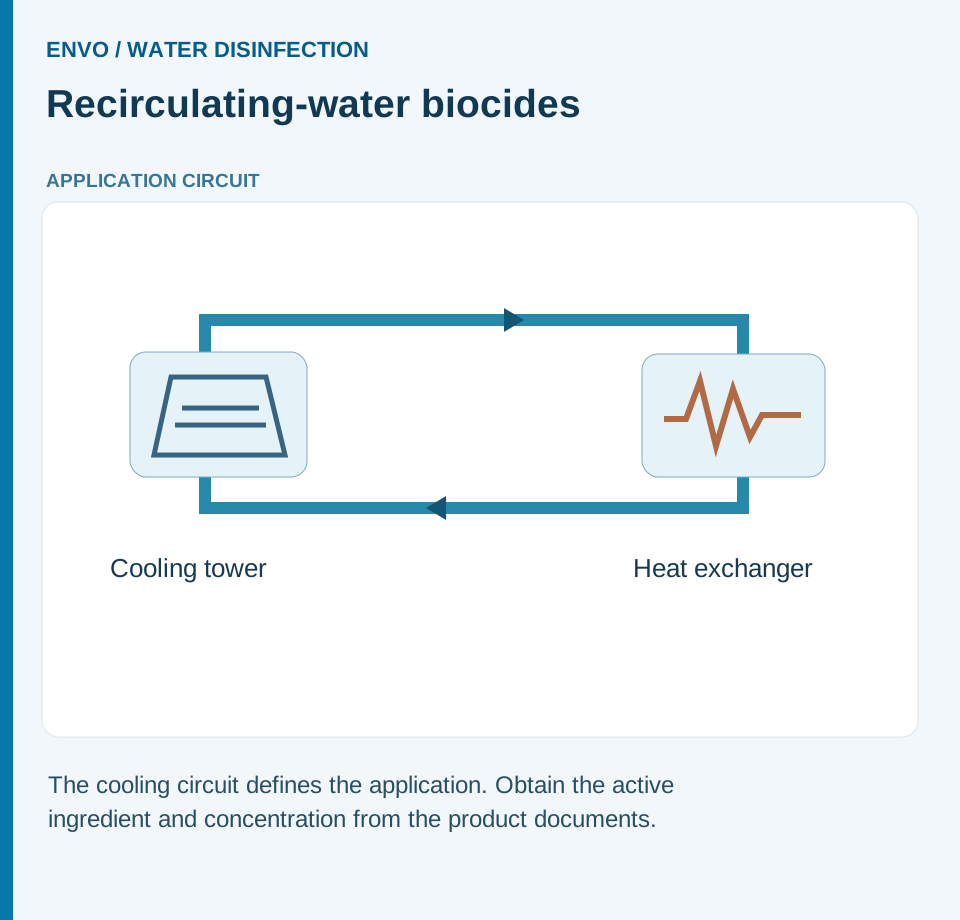
Recirculating water formulations
A purchasing starting point that considers system water quality, microbial diagnosis and corrosion/scale inhibition programs together. Compare oxidizing, non-oxidizing and validated blended approaches, then select a specific formulated product and operating objectives.
Oilfield formulations
Select for a specific treatment stage: produced water, reinjection, fracturing or surface water storage. Efficacy, corrosion and fluid compatibility require validation under the same actual operating conditions; one test cannot represent an entire oilfield.
Specialized peroxygen
Peroxygen formulated products screened for defined uses such as agriculture, clean systems or equipment hygiene. Identical active components may come with different impurities, stabilizers and return-to-service requirements; each product requires validation.
Dedicated animal-water products
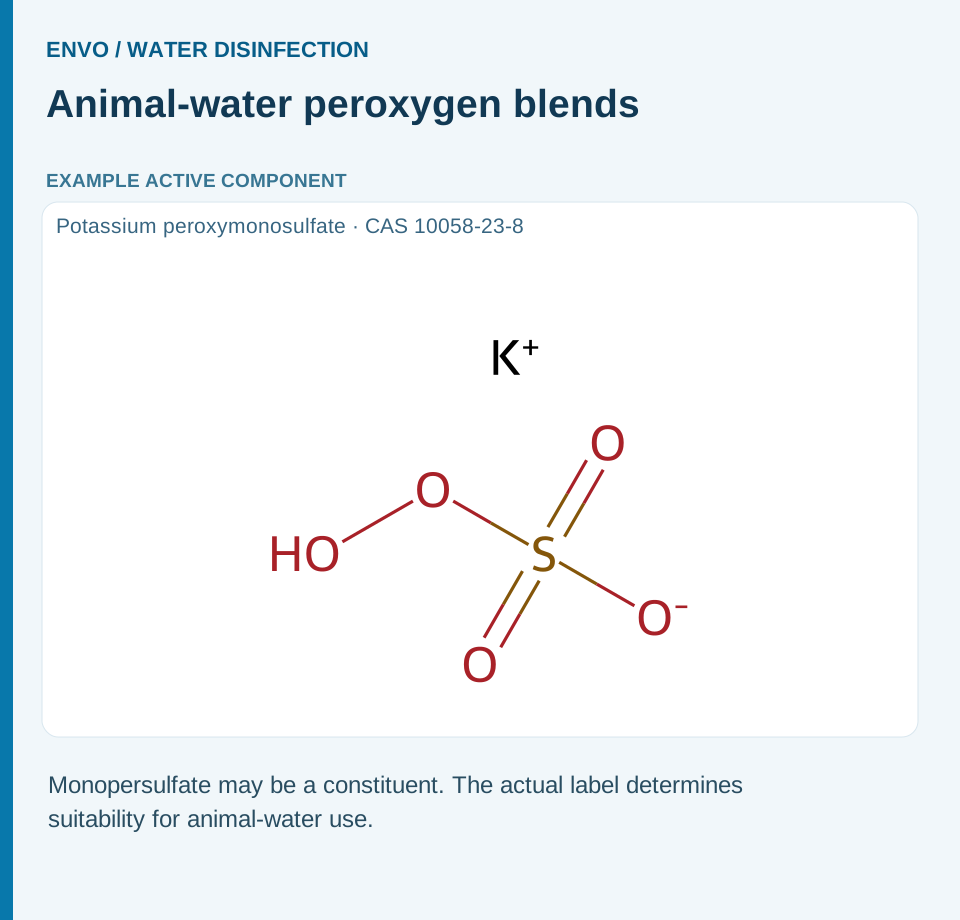
A category of peroxygen blends for specific animal drinking-water and waterline uses. Verify animal species, occupied or empty housing status, and vaccination and medication schedules; ordinary MPS raw material cannot substitute for these products.
Sample photographNaClO₂
A common precursor for chlorine dioxide generation. Start purchasing checks with generator-approved specifications, impurities and delivery form; do not treat the raw material as an already-generated chlorine dioxide product.
Sample photographNaClO₃
A precursor approach compatible only with specific chlorine dioxide generation processes. Public information indicates that its main uses differ from the sodium chlorite approach common at ordinary drinking-water stations; substitution based on similar names is not recommended.
Sample photographNaBr
A bromine source for specific active bromine systems. Sodium bromide content is not equivalent to available bromine disinfection capacity; verify the complete system, raw-material specification and final use together.
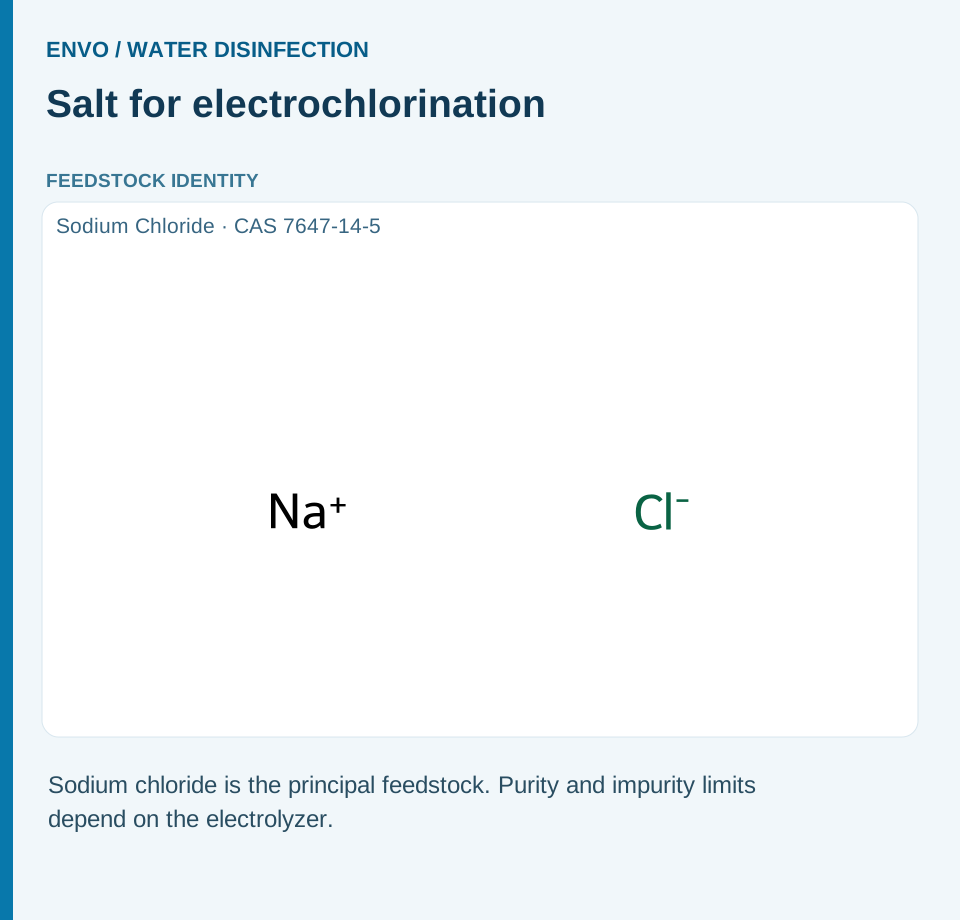
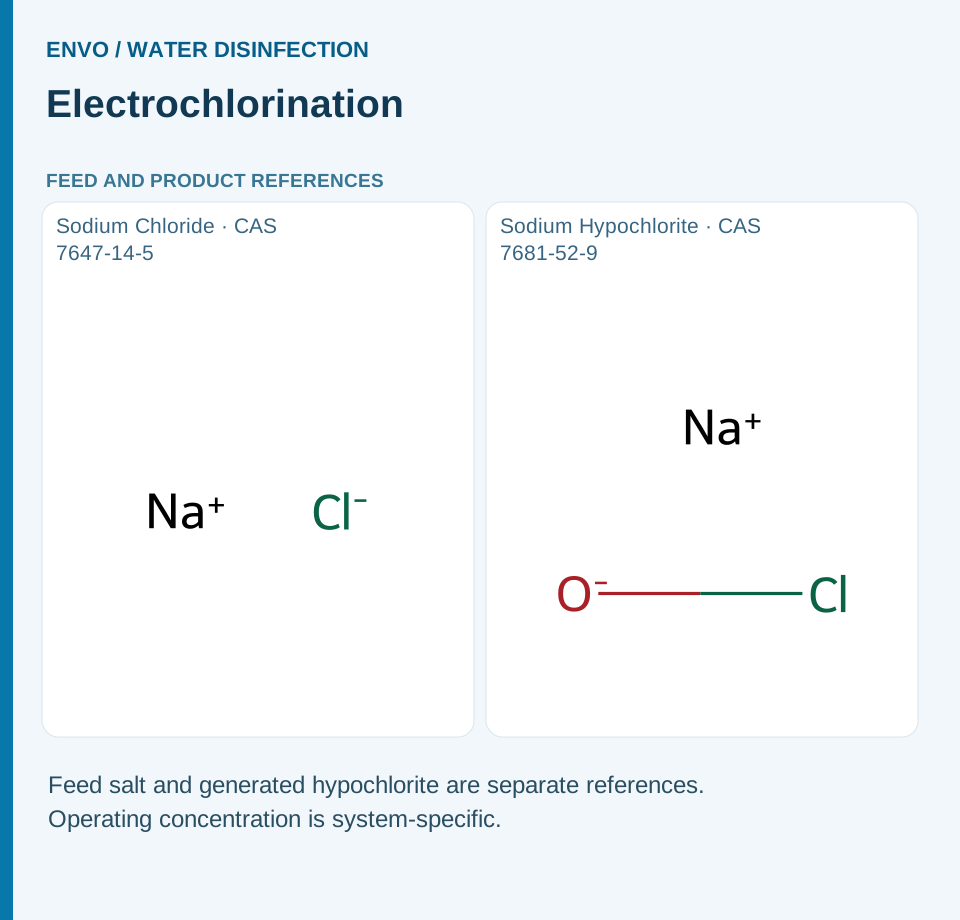
NaCl raw material
A sodium chloride feedstock for specific electrolysis systems. Check salt impurities, equipment feedwater and electrode maintenance together; food-grade or ordinary industrial-grade descriptions alone do not demonstrate suitability.
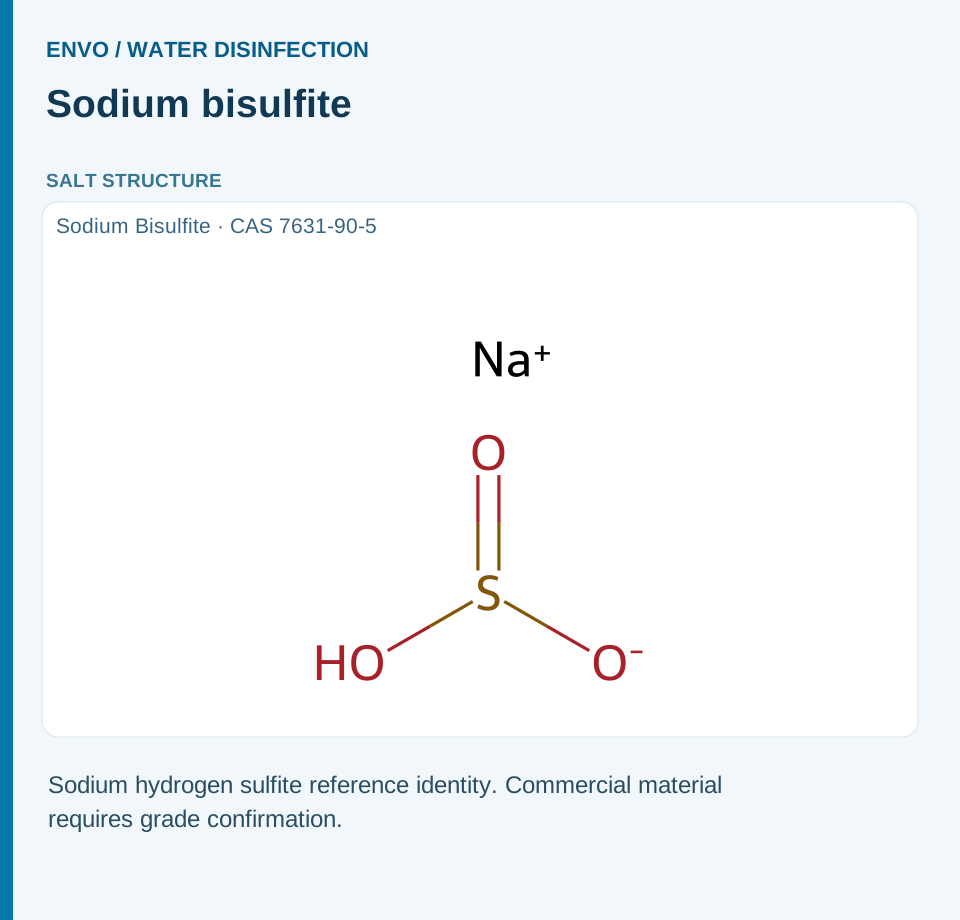
NaHSO₃
A reducing auxiliary for engineered dechlorination or specific membrane maintenance procedures. Define the substance to be removed and the endpoint, while considering the effects of excess reducing agent on dissolved oxygen, pH and other chemicals.
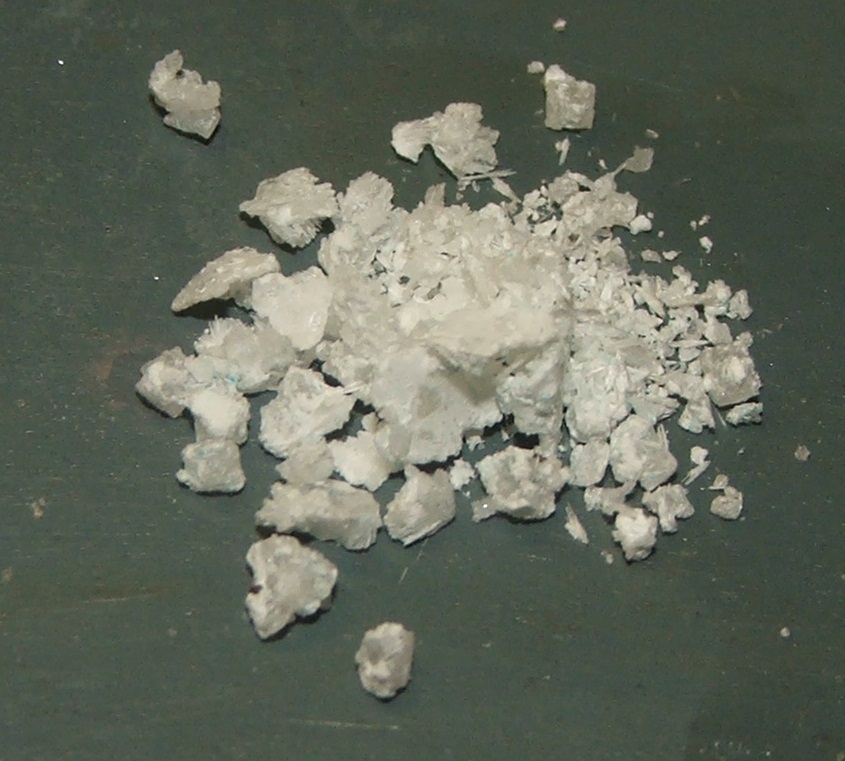
Sample photographNa₂S₂O₅
A reducing auxiliary for dechlorination and some membrane maintenance applications. Distinguish raw-material quality from the final use procedure; membrane preservation and discharge dechlorination procedures are not interchangeable.
Sample photographNa₂S₂O₃
A reducing auxiliary selected for a defined substance to be removed and equipment requirements. Distinguish raw material, hydration form and formulated products for specific uses; do not describe it as a neutralizer suitable for every waterworks and every oxidant.
Sample photographCYA
A stabilizing auxiliary for applicable pool chlorine systems. It is not a standalone disinfectant. Stabilized chlorine products also affect cyanuric acid management; test before deciding whether additional supplementation is needed.
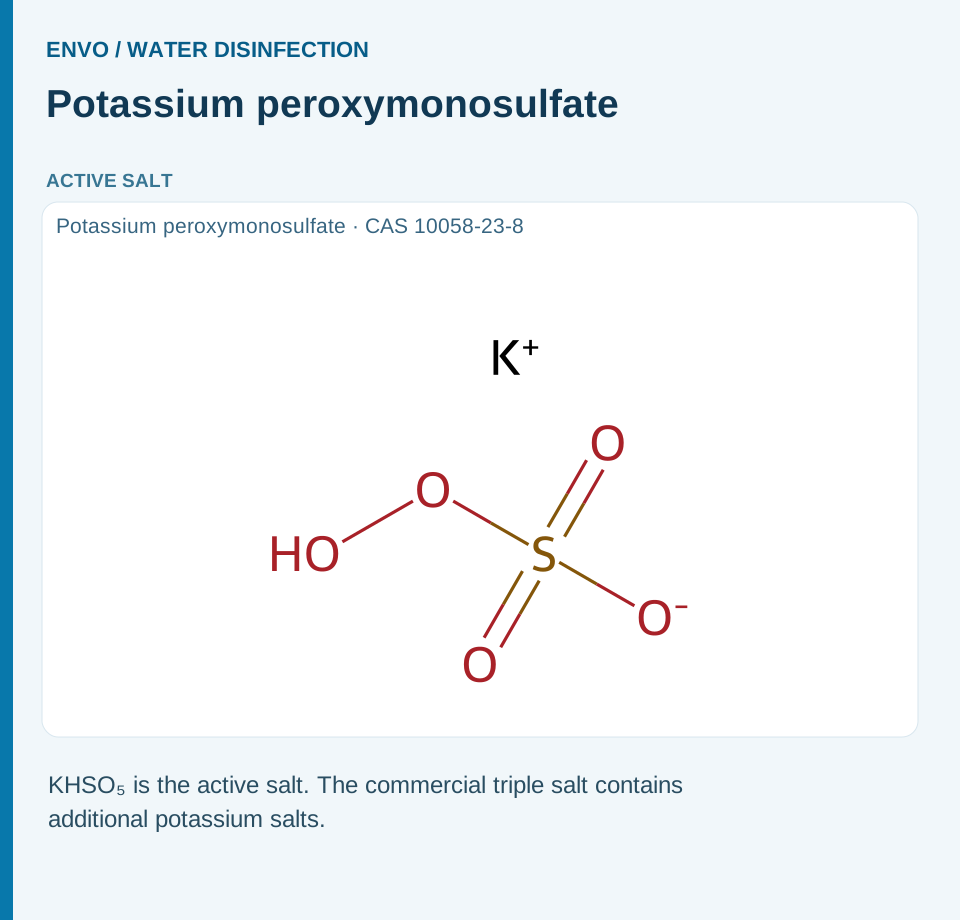
MPS / KMPS
Primarily an oxidizing auxiliary in ordinary pool and spa applications, supporting contaminant management. A non-chlorine oxidizer must not be described directly as the primary disinfectant or used as a substitute for dedicated animal drinking-water blends.
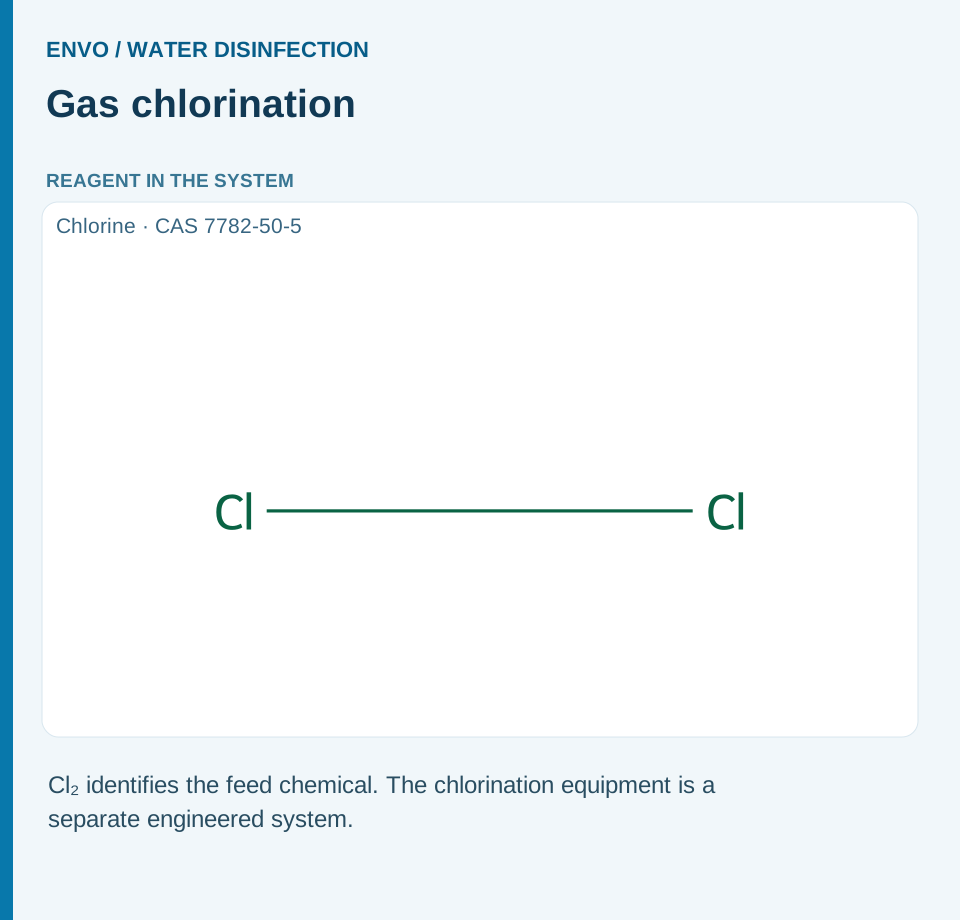
Cl₂ engineering
An engineered chlorination approach requiring dedicated facilities and management. Selection includes storage and supply, metering, contact, monitoring and emergency facilities. It is not presented as an ordinary drummed chemical or as a claim of qualification to supply equipment.
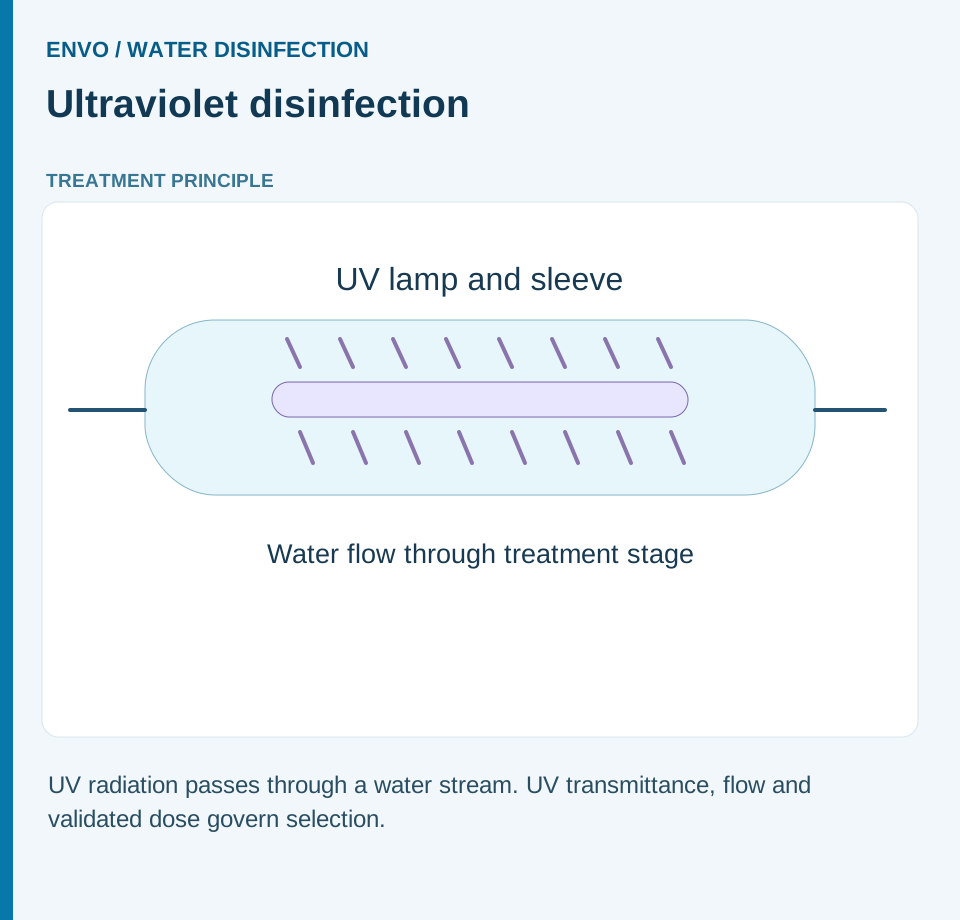
UV
A disinfection barrier based on validated equipment and water quality conditions. Purchasing priorities are validated performance at the design flow rate, UV transmittance, particle effects, alarms and maintenance; lamp power alone is insufficient for comparison.
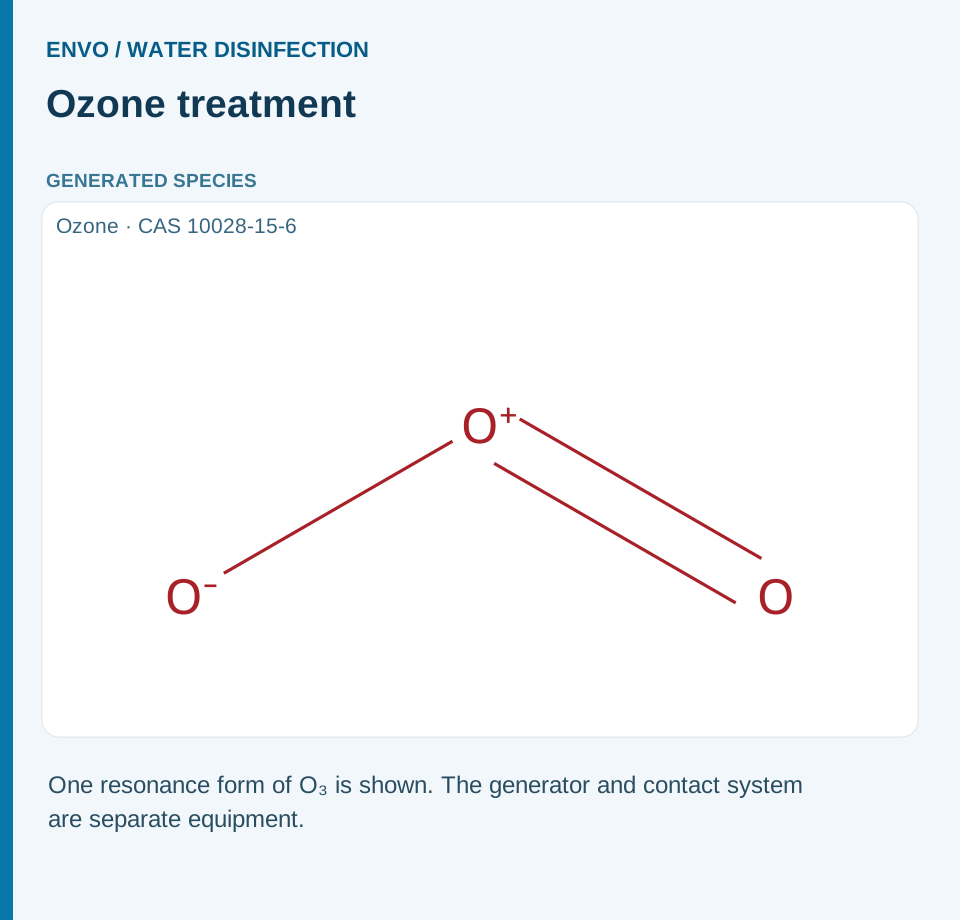
O₃
An engineered oxidation and disinfection approach combining generation, gas-water contact, residual control and off-gas management. Raw water composition and downstream use determine by-product and residual requirements; equipment cannot be selected solely by ozone output.
Electrochlorination
An engineered approach that prepares chlorine-containing treatment solution on site. Freshwater brine and seawater systems require separate checks; selection must cover feedstock, feedwater, generation capacity, ventilation and hydrogen removal, metering and monitoring.
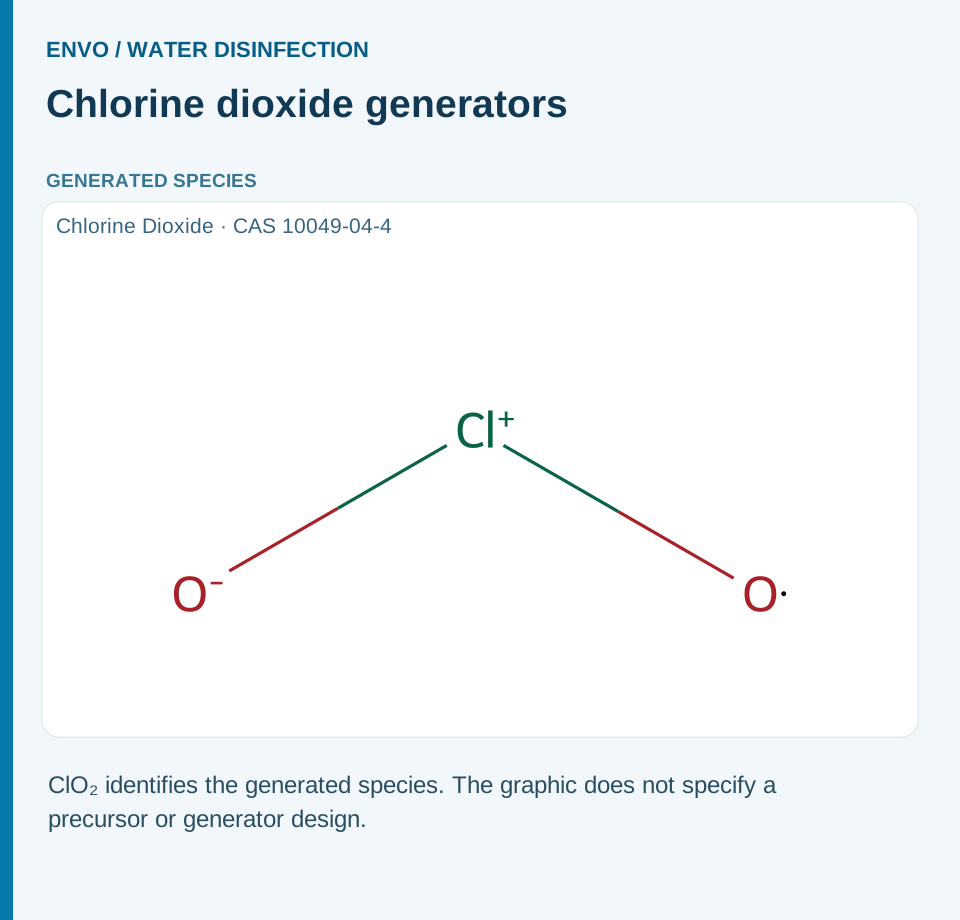
ClO₂ generation
An engineered system that produces chlorine dioxide using equipment-approved precursors and processes. Purchasing verification should cover precursor purity, product identity, by-products, dosing points, operation and maintenance together.
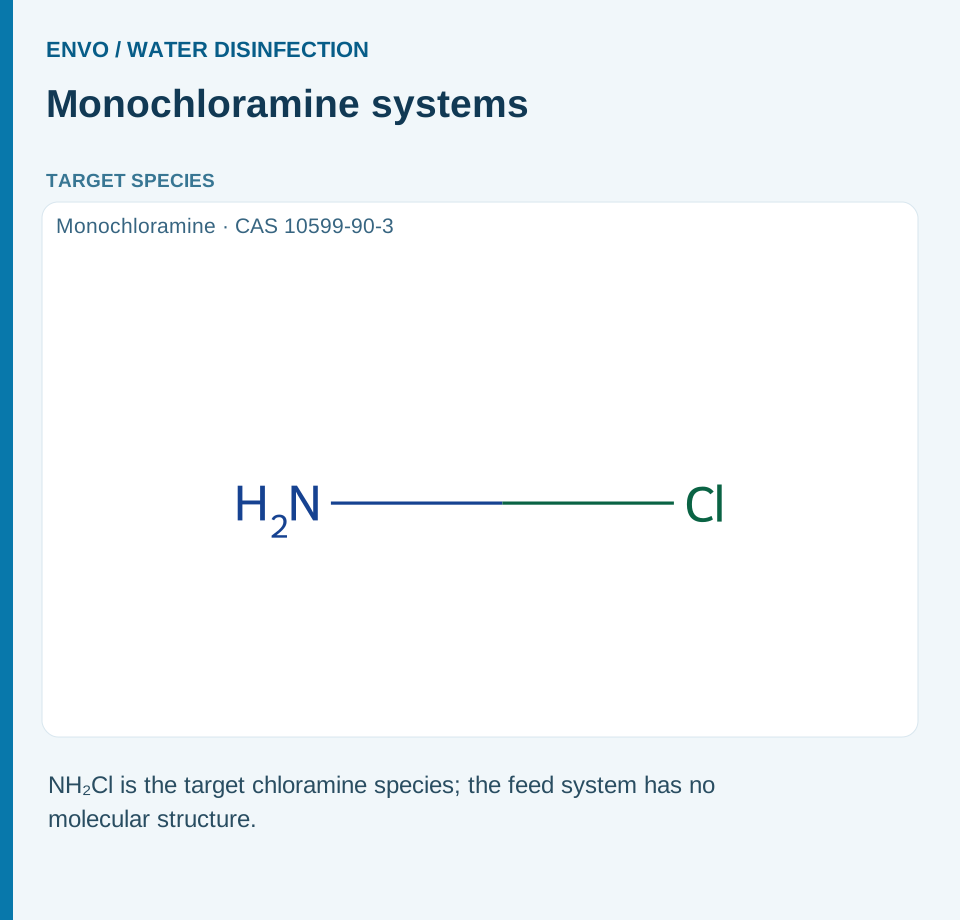
NH₂Cl systems
For engineered or approved secondary disinfection of water supplies and specific process applications. Chemical species control, nitrification management and distal-point monitoring are central; this does not mean arbitrary on-site mixing of chlorine and ammonia.
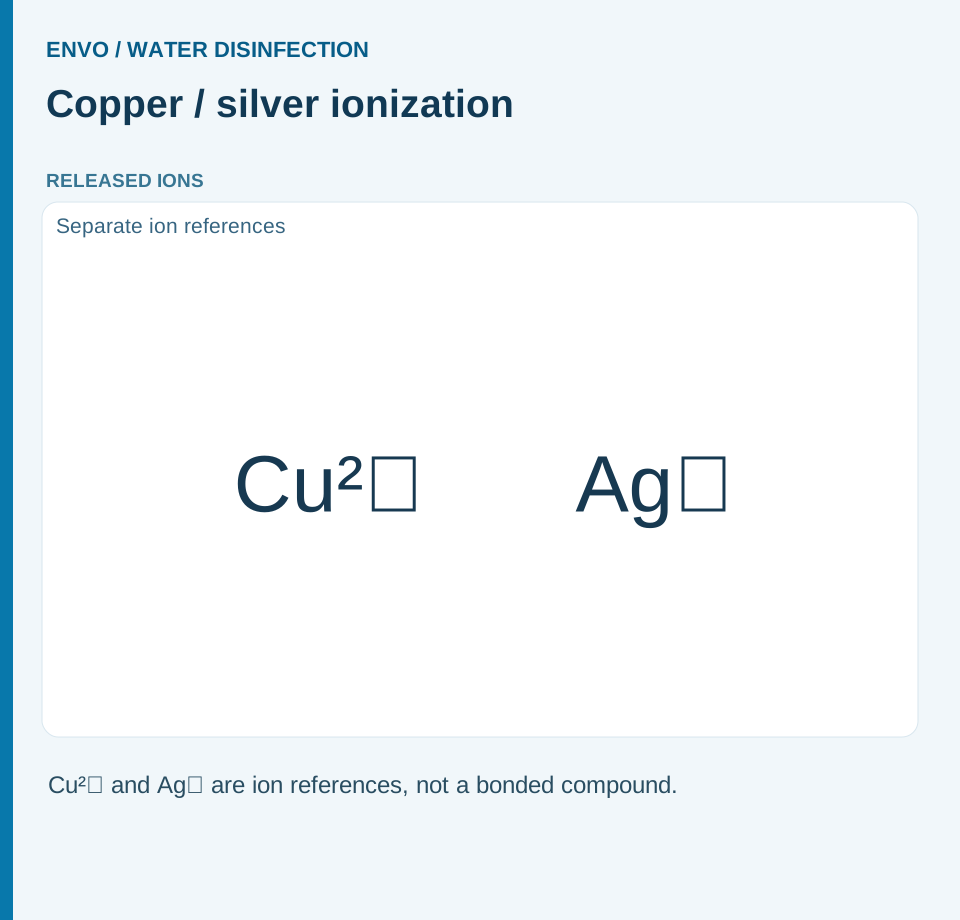
Cu / Ag systems
A specialized engineering candidate for hygiene management in certain building hot-water systems. Actual water quality, ion distribution, metal parameters and long-term monitoring require validation; this is not a universal substitute for water disinfection.
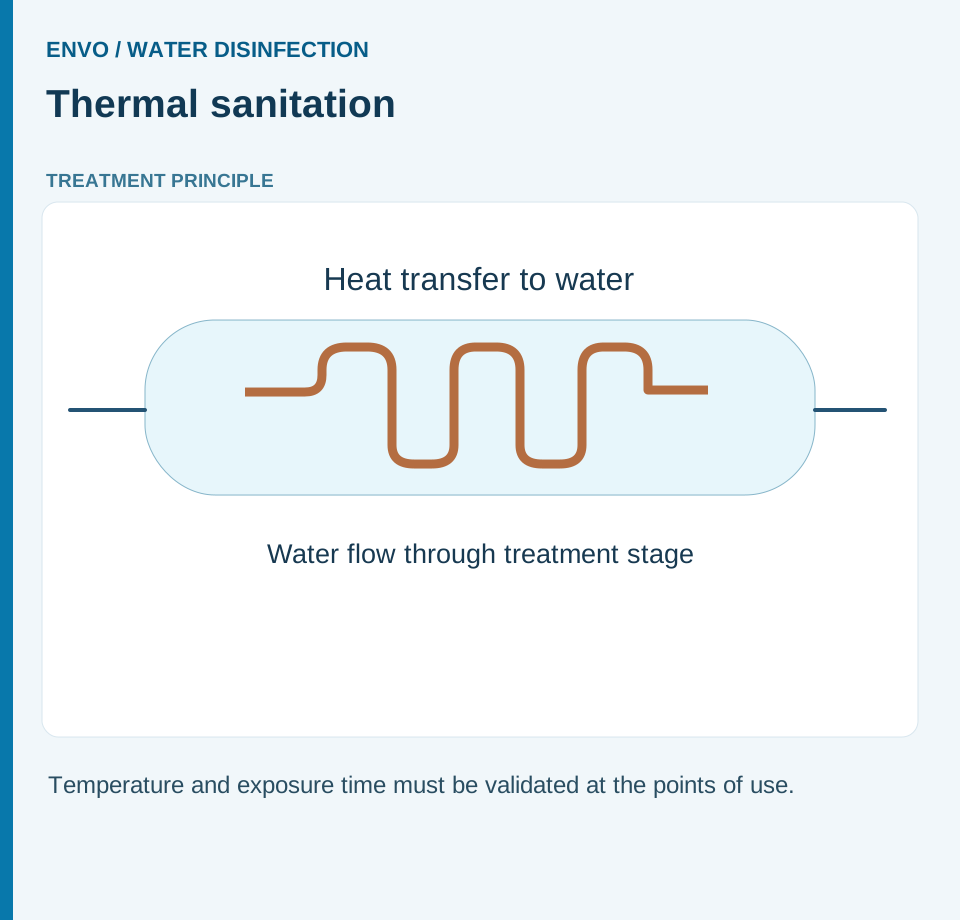
Thermal sanitation
For hygiene treatment of clean water or dedicated equipment when equipment temperature resistance and the procedure have been validated. Coverage of the most challenging points, cycle records and return-to-service criteria are key; heat-source settings alone are insufficient.
Try an abbreviation, or describe the product, use or current model directly.
Discuss requirements directlyENVO · Purchasing and application support
Bring your current product model, intended use or purchasing list, and we will start with what you already know.