
Detergent grade is substituted and use documents are unavailable
Specify aquatic formulated-product requirements when purchasing.
Algaecides / Specialized formulation
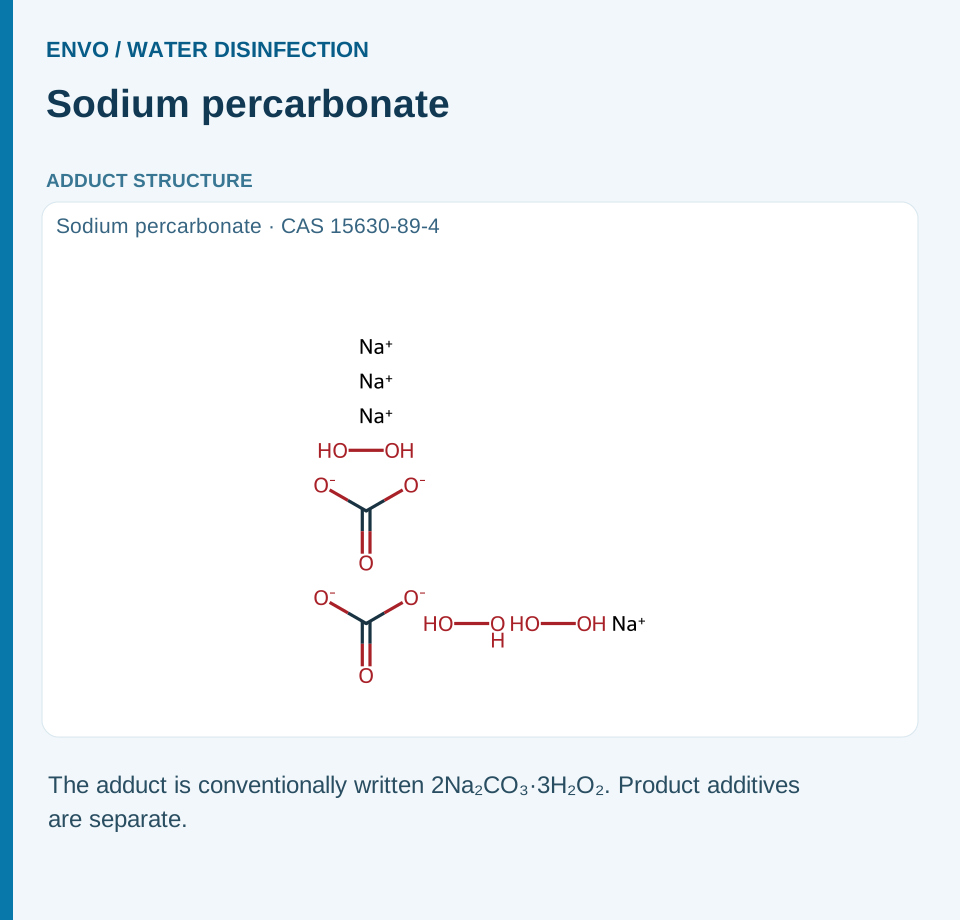
Sodium percarbonate aquatic algaecides · SPC
An aquatic algaecide approach based on sodium percarbonate. Distinguish detergent-grade raw materials from formulations with defined aquatic uses, and validate effects on target algae and non-target organisms.
A peroxygen algaecide for specific authorized water bodies.
Bring an existing model or purchasing specification directly into the discussion.
Identity and physical form identify the product; specific concentration, grade, packaging and uses are governed by mutually confirmed formulated-product documents.
01 / Product and applications
Sodium percarbonate is an adduct of sodium carbonate and hydrogen peroxide; aquatic products may contain formulation auxiliaries.
Product particle size, coating and appearance must match supply documents and cannot be inferred from detergent-grade appearance.
Sodium percarbonate is a sodium carbonate/hydrogen peroxide adduct, also called sodium carbonate peroxyhydrate. Its CAS does not cover aquatic-product coatings or auxiliaries; detergent and aquatic formulations require separate checks.
02 / Specification selection
| Items to confirm | Relevance to purchasing and use |
|---|---|
| Water-body use label and formulation | Clarify that this is not generic detergent feedstock. |
| Target algae and actual water samples | Evaluate efficacy and selectivity. |
| pH, residuals and ecological monitoring | Confirm treatment performance together with effects on the water body. |
Include parameters, test methods and acceptance checkpoints in purchasing requirements to compare specifications.
03 / Applications and limits
These are starting points for conditional verification. Specific product suitability still requires joint confirmation through product documents, operating conditions and destination requirements.
04 / Common challenges
Specify aquatic formulated-product requirements when purchasing.
Investigate nutrient loads and hydraulic conditions together.
Add target-algae, residual and non-target monitoring.
05 / Documents and evidence
These documents support technical categories and use limits, not ENVO certifications or customer cases. Verification date: 2026-10-26.
06 / Frequently asked questions
No. Confirm aquatic-product uses and formulation.
Validate carbonate and other effects against actual water quality.
One treatment cannot replace nutrient-load and source-water management.
Related selection options
Related products are not necessarily direct substitutes; verify each intended use.
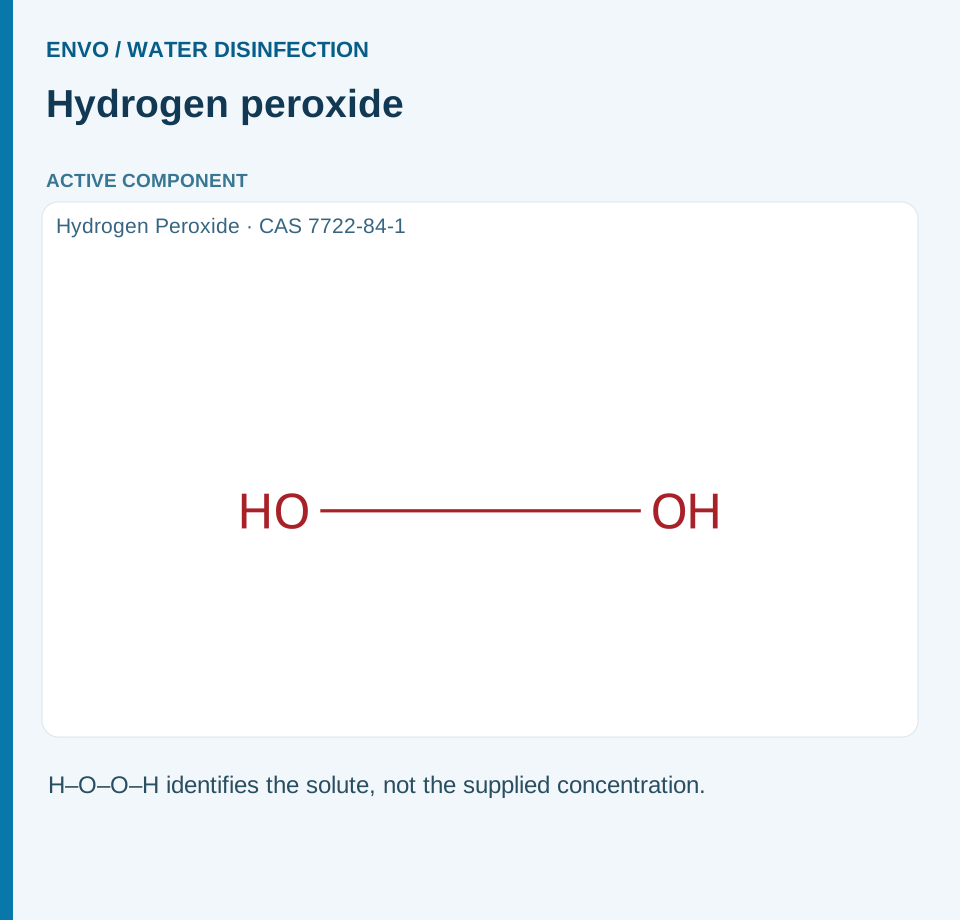 Active component
H₂O₂
For oxidation and system hygiene treatment with defined uses. Select according to the treatment target, formulated-product composition and residual-control requirements, distinguishing ordinary industrial products from dedicated-use formulations.
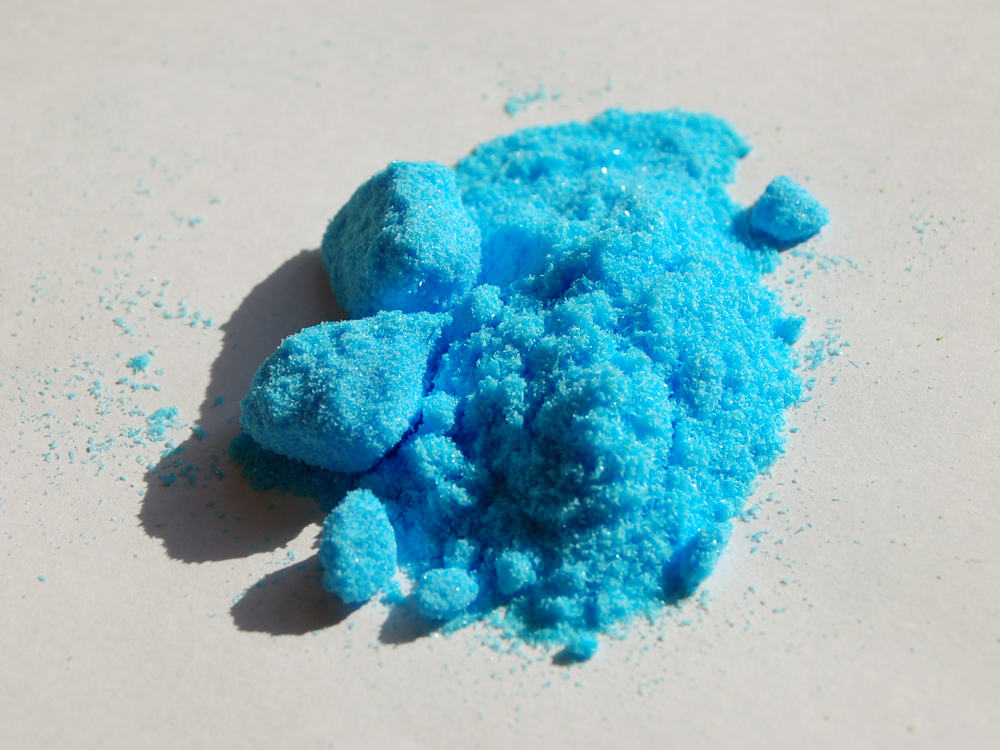 Sample photograph
CuSO₄
A specialized approach for confirmed algae problems. Water hardness, alkalinity, fish and water-abstraction uses affect selection; algae control and drinking-water pathogen disinfection require separate management.
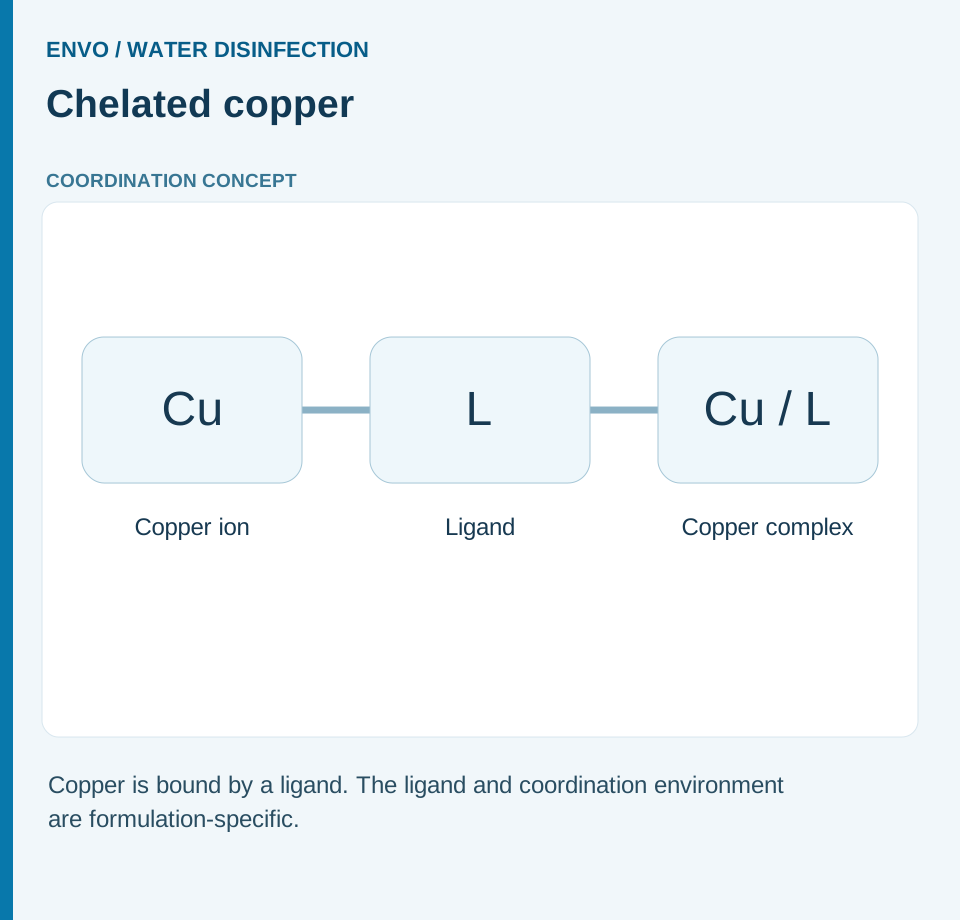 Technical schematic
Chelated copper
Aquatic algaecide formulations containing copper and complexing components. Compare metallic copper equivalents and complete labels; chelation does not eliminate effects on fish, sediments or discharge.
A shared active name establishes only part of the chemical identity. Aquatic algaecides also need defined uses, formulation composition, contact targets and environmental restrictions; raw-material purity cannot supply that information.
Short-term algae reduction and long-term bloom control are different tasks. First investigate nutrient inputs, hydraulic and light conditions, and treatment coverage before deciding whether to change the product approach.

Recording algae reduction alone may miss changes in the water itself. Evaluate target algae, relevant water quality and non-target organisms together, not just before-and-after photographs.
ENVO · Purchasing and application support
Start with a product name, current model, water-quality report or destination documentation requirements.