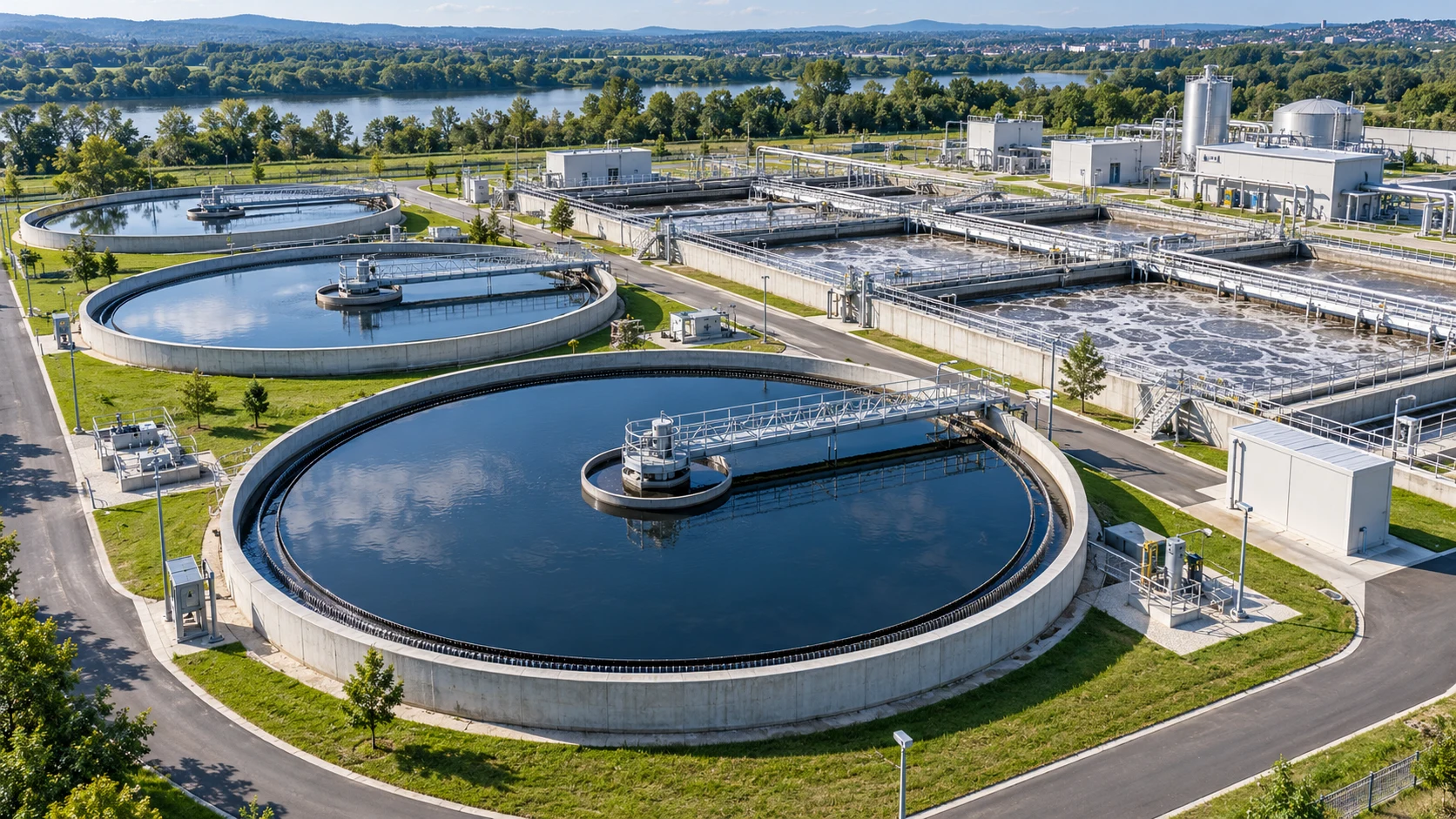
Different reuse pathways have different requirements. Potable reuse needs a separate specialist assessment and must not be grouped with ordinary non-potable reuse.
Compare candidate treatment approaches
Why each approach is recommended and under which conditions it applies.
01
Disinfectant
Hypochlorite and other chlorine systems matched to the intended use
Reason for recommendation
For comparison in reuse systems requiring a storage/distribution residual.
Conditions of use
Check chlorine demand, odor, corrosion and sensitivity of vegetation or downstream processes.
Documents to verify
Reuse pathway and water-quality requirements; product documents; residual/by-product monitoring
This comparison supports initial purchasing screening. It does not replace the specific formulated product label, equipment instructions or site validation, and provides no universal dosage or on-site mixing instructions.
Related products
Explore candidate products and continue verification.
The following are conditional matches; they do not indicate that every grade is suitable.
A chlorination chemical used with liquid metering systems and residual monitoring. Purchasing priorities are available chlorine at delivery, storage turnover and impurity requirements for the intended use.
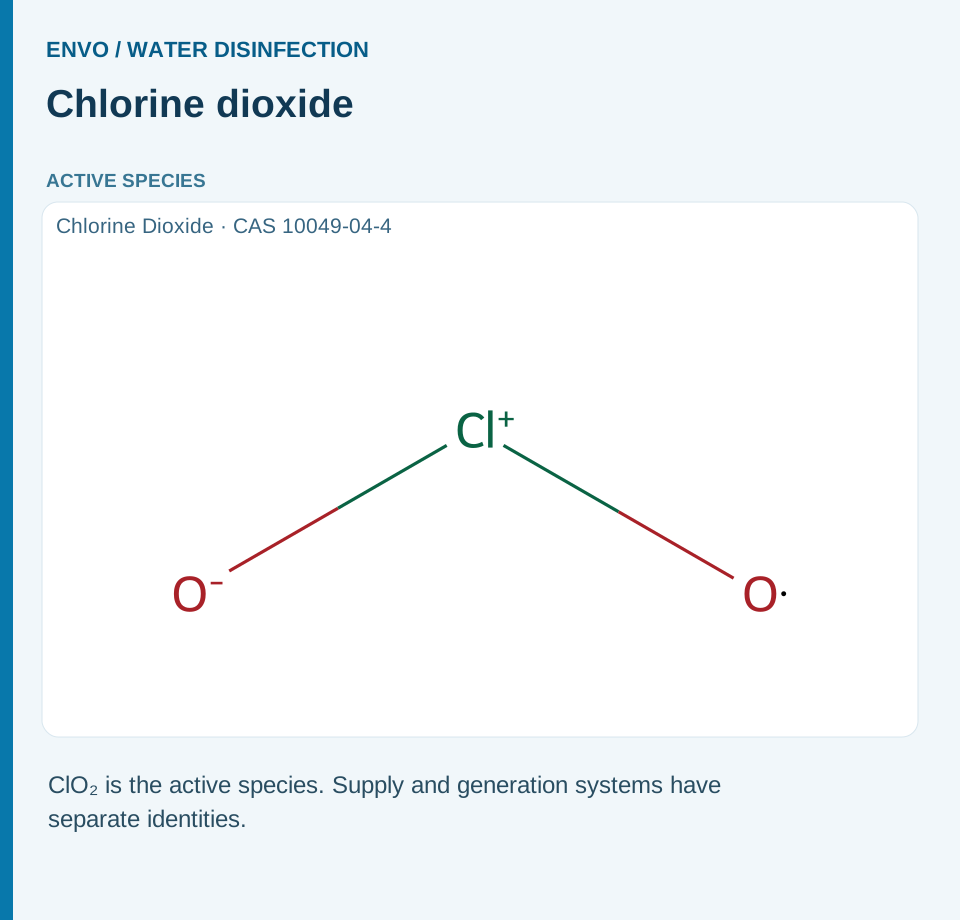
First distinguish specific ready-to-use formulated products, precursor products requiring a prescribed procedure, and on-site generation systems before discussing use and purchasing. Analytical methods must distinguish chlorine dioxide from other oxidizing components.
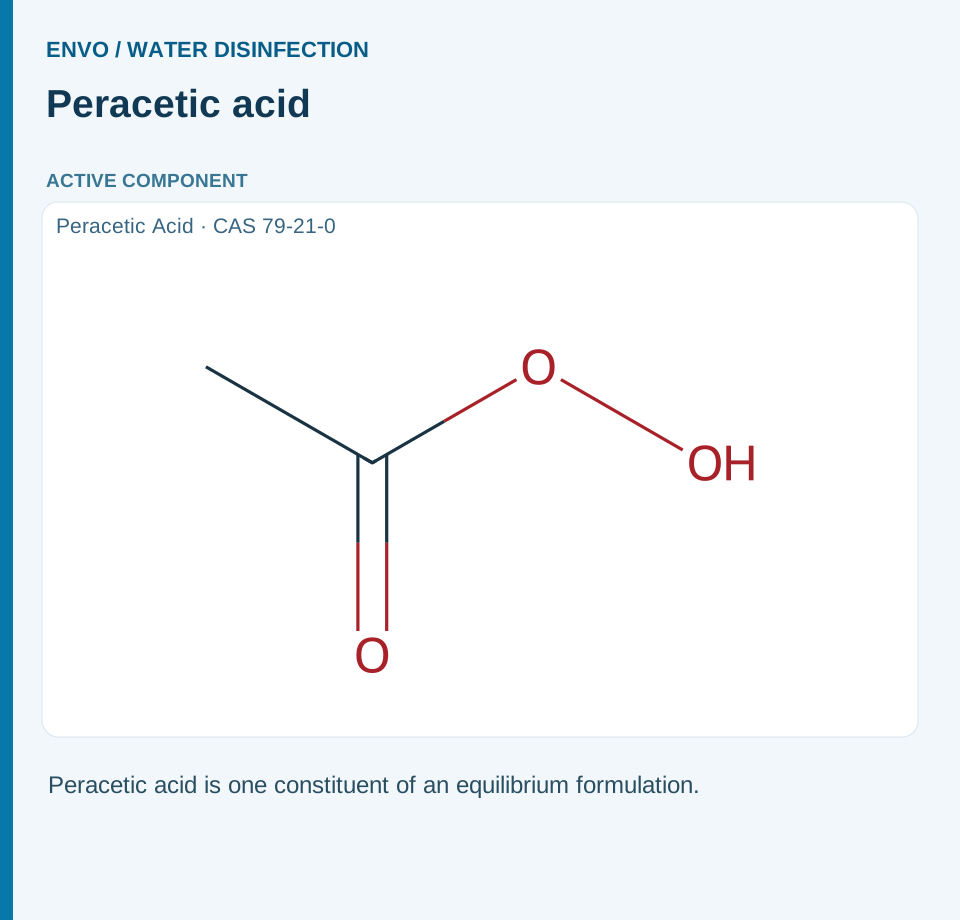
For disinfection and process hygiene applications supported by the relevant formulated product. The complete formulation, material compatibility and residual management are more meaningful than comparison of peracetic acid concentration alone.
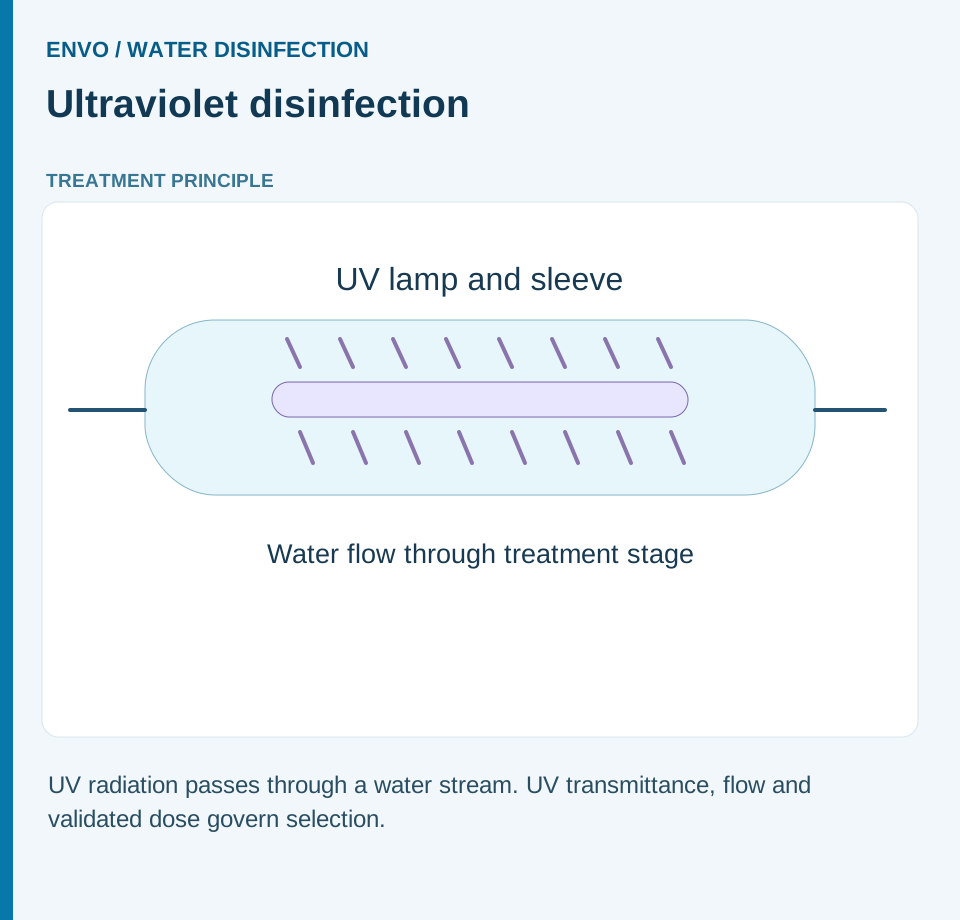
A disinfection barrier based on validated equipment and water quality conditions. Purchasing priorities are validated performance at the design flow rate, UV transmittance, particle effects, alarms and maintenance; lamp power alone is insufficient for comparison.
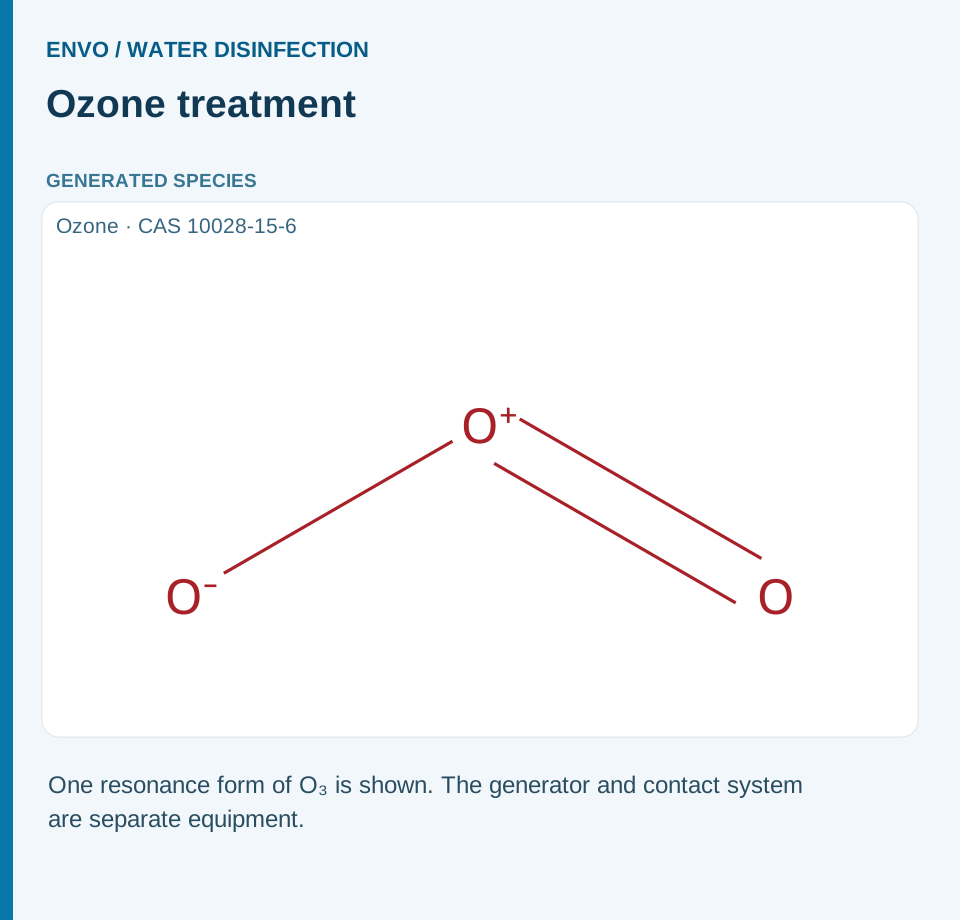
An engineered oxidation and disinfection approach combining generation, gas-water contact, residual control and off-gas management. Raw water composition and downstream use determine by-product and residual requirements; equipment cannot be selected solely by ozone output.