Water with stringent requirements / Application solutions
Food & Beverage Process Water
Select separately for direct food contact, drinking-water quality and utility-water applications.
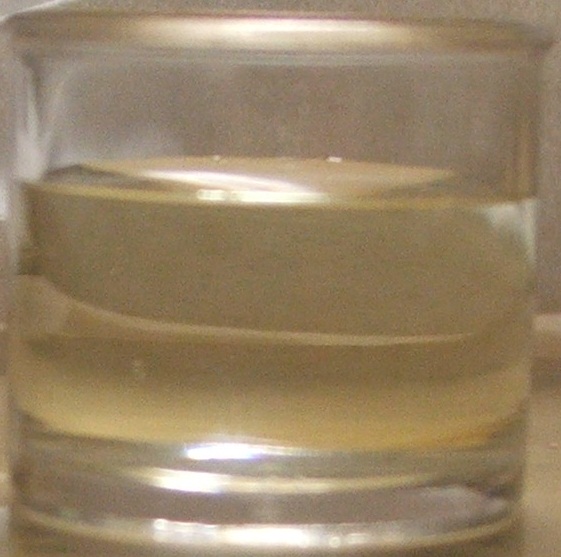
Illustrative application scene
Environment and objectives
First confirm what is being treated and at which treatment stage.
Ingredient water, washing and conveyance water, ice-making water, CIP water circuits and non-contact cooling loops.
Operating conditions to check first
Establish direct food contact, food category, rinsing requirements and destination first. Food-grade raw material does not automatically establish an authorized disinfection use.
Compare candidate treatment approaches
Why each approach is recommended and under which conditions it applies.
01
Water-supply treatment
Drinking-water chlorine systems, UV and related options
Reason for recommendation
For ingredient-water or ice-making supplies meeting the relevant water-quality requirements.
Conditions of use
Validate against the final food and process requirements. Drinking-water compliance alone does not establish suitability for every food process.
Documents to verify
Water-quality and microbiological tests; intended-use documents; process flow and food category
This comparison supports initial purchasing screening. It does not replace the specific formulated product label, equipment instructions or site validation, and provides no universal dosage or on-site mixing instructions.
Related products
Explore candidate products and continue verification.
The following are conditional matches; they do not indicate that every grade is suitable.
A chlorination chemical used with liquid metering systems and residual monitoring. Purchasing priorities are available chlorine at delivery, storage turnover and impurity requirements for the intended use.
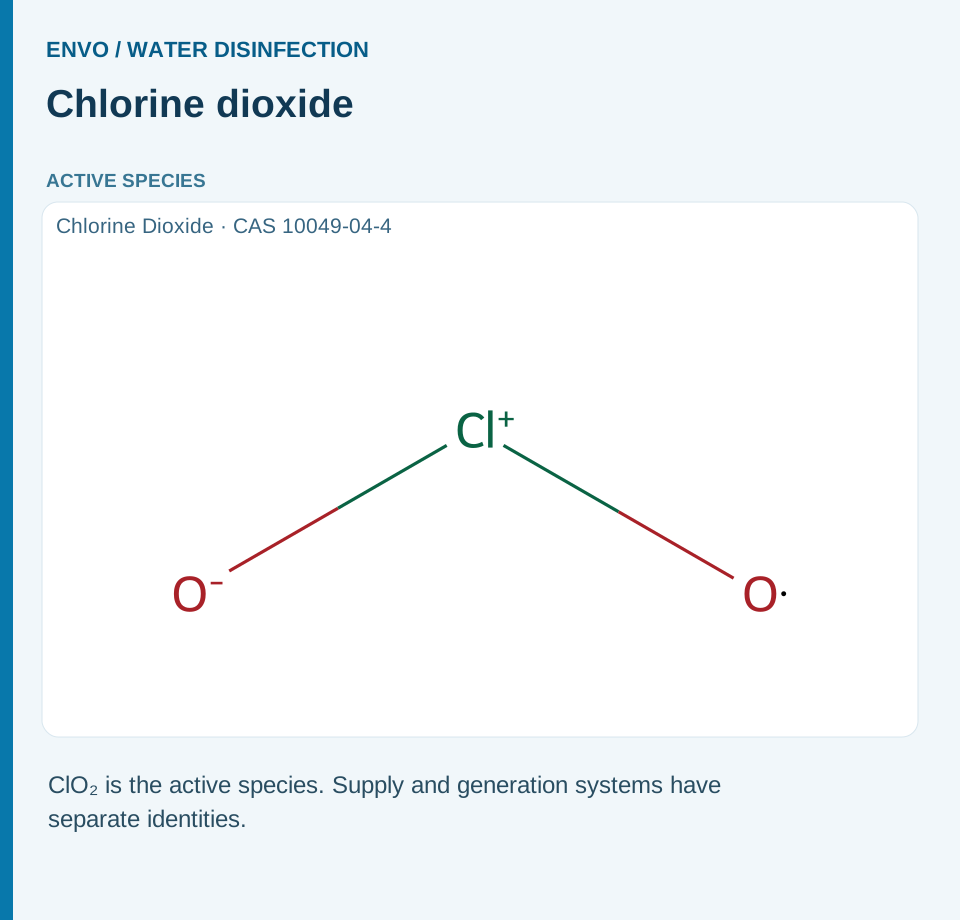
First distinguish specific ready-to-use formulated products, precursor products requiring a prescribed procedure, and on-site generation systems before discussing use and purchasing. Analytical methods must distinguish chlorine dioxide from other oxidizing components.
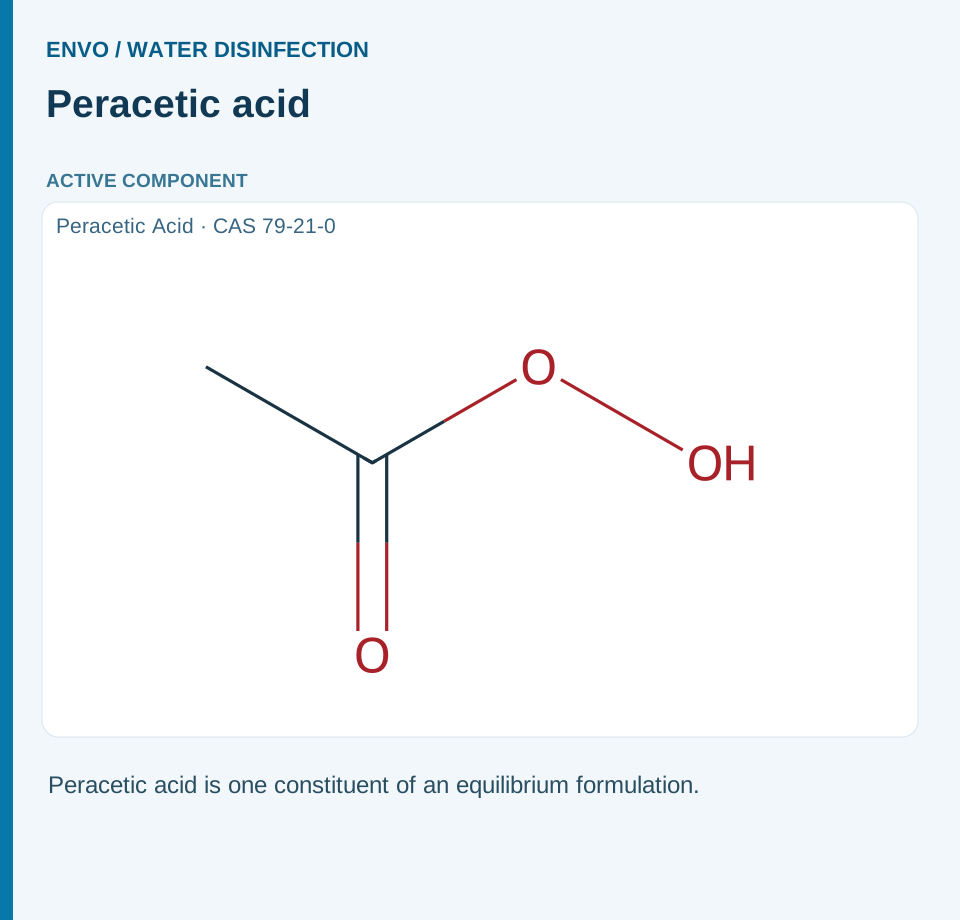
For disinfection and process hygiene applications supported by the relevant formulated product. The complete formulation, material compatibility and residual management are more meaningful than comparison of peracetic acid concentration alone.
Food factories often have several water-use points sharing upstream infrastructure, but ingredient water, raw-material washing, equipment hygiene and non-contact cooling involve different exposure and documentation requirements.
Different raw-material batches may introduce different sediment, debris and other substances, so wash-water management cannot rely solely on fixed shift records.