Specify the final destination and treatment stage
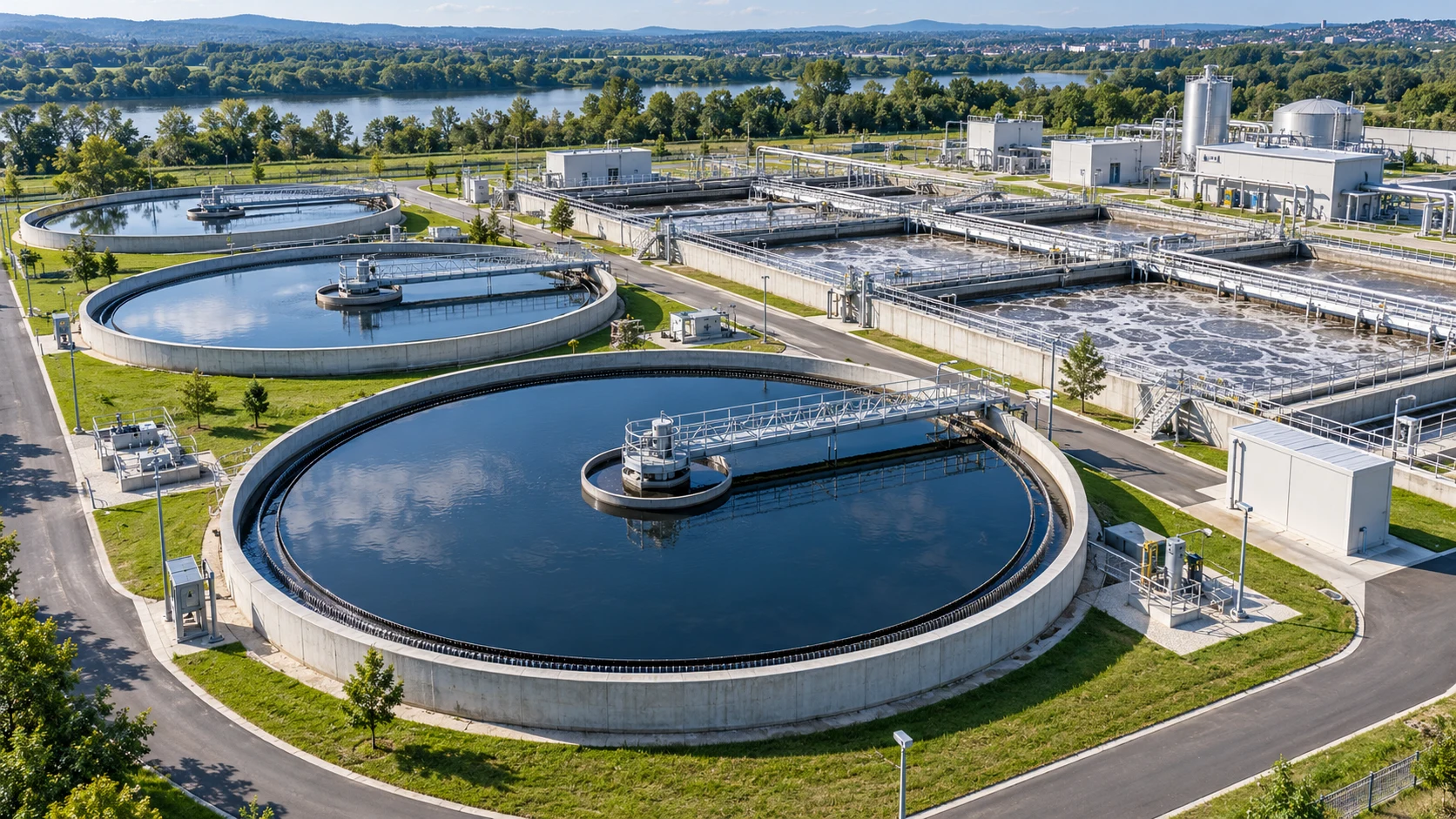
First establish whether the effluent enters a receiving water body, a non-potable reuse system or another process, and list the applicable water-quality targets and sampling locations. Hospital wastewater, municipal final effluent and industrial wastewater have different project boundaries. Describe the actual water path rather than relying on the broad term wastewater disinfection.
Also distinguish the final disinfection stage from upstream biological treatment. The purchasing checklist should identify exactly where the chemical makes contact and what follows downstream. A program intended for final effluent must not be transferred indiscriminately to a unit that relies on active microorganisms.
Water-quality stability matters more than a single clear-looking sample
EPA guidance for small wastewater systems emphasizes adequate treatment before disinfection. Suspended solids can shield microorganisms, interfere with UV treatment and increase chlorine demand; organic pollution can also consume chlorine. Assess suspended solids, organic load, ammonia nitrogen, pH and peak flows—not only average flow and one routine sample.
Provide representative water-quality trend records and identify whether wet weather, production changes or shock loads affect the effluent. Site trials should cover the operating range the system must accommodate.
Chlorine options: include contact conditions and residual management
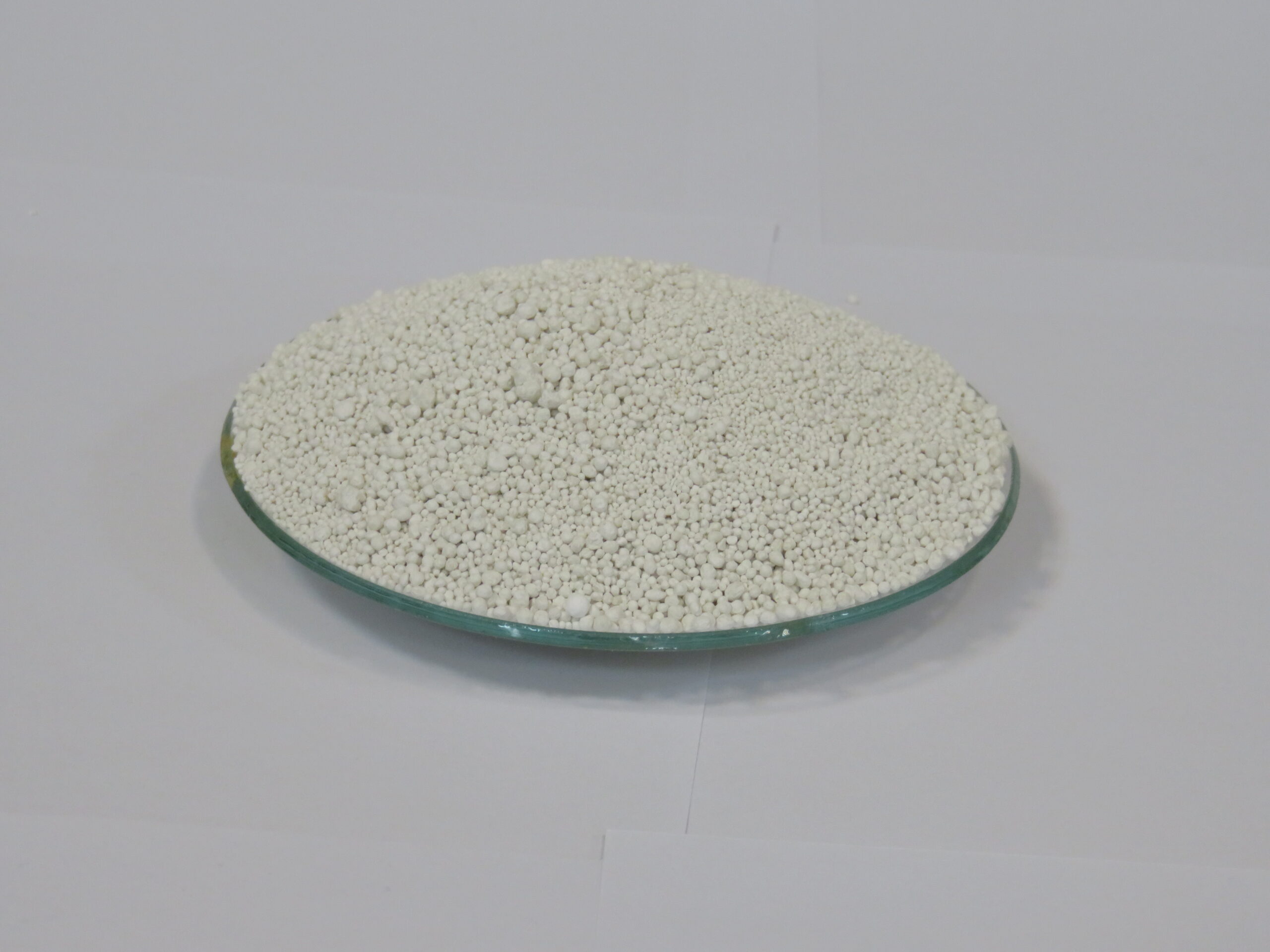
Formulated sodium hypochlorite or calcium hypochlorite products may be candidates for effluent stages suitable for chlorination. In addition to available chlorine and supply consistency, review mixing, contact facilities, possible short-circuiting and residual testing. Evaluate chemicals and the contact stage together; chemical concentration does not establish the treatment capacity of the whole system.
Where discharge or downstream use imposes residual limits, determine during planning whether removal and verification are required. Include removal, instrument maintenance and relevant by-product monitoring in operating costs.
Peracetic acid and equipment-based options require different checks
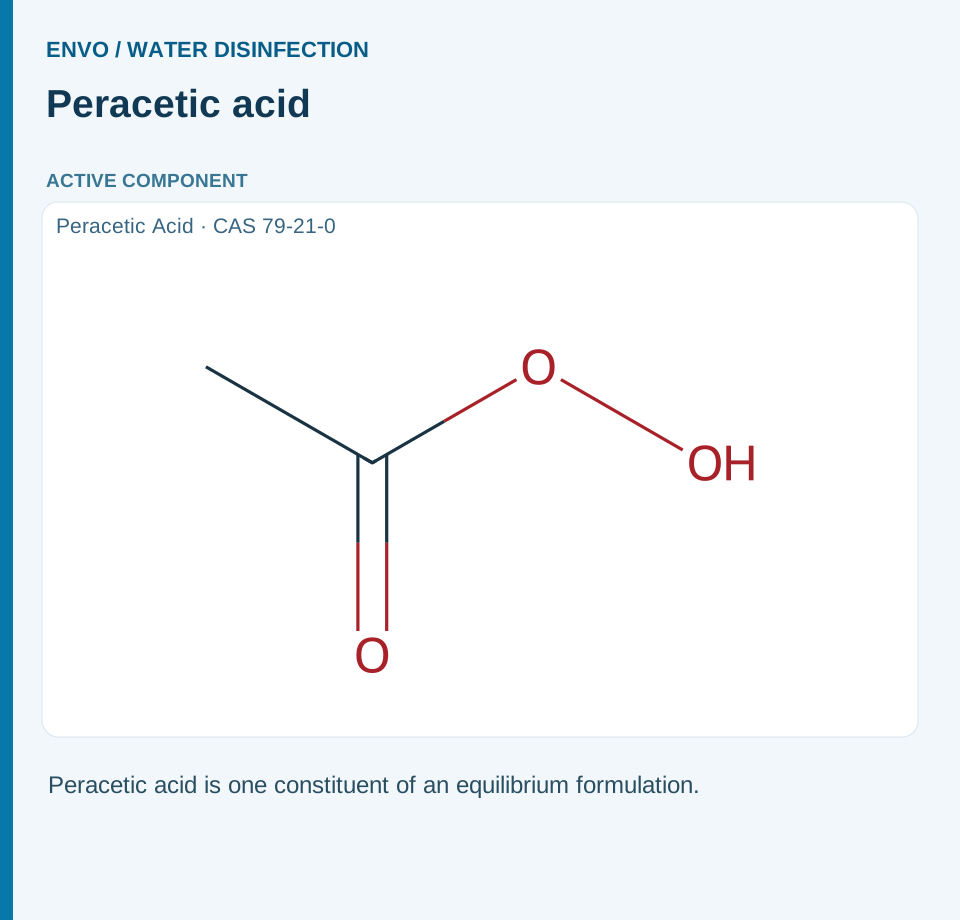
Solvay's public information describes peracetic acid formulations for wastewater disinfection, with treatment conditions depending on contaminants and contact time. Review the complete formulation, efficacy in actual water samples, storage equipment and effluent residual impacts. Non-chlorine status does not establish suitability for every effluent.
For UV, check transmittance, particles, flow and reactor validation, plus lamp and sleeve cleaning and maintenance. If comparing ozone or chlorine dioxide systems, separately assess generating equipment, contact facilities, monitoring and operational resources.
Set acceptance criteria for the complete disinfection stage
Divide acceptance criteria into three areas: effluent microbiology, water quality and residuals, and facility operation. Specify test methods, sampling points and abnormal operating conditions. Meeting a chemical or equipment delivery specification is only part of acceptance; the complete system must demonstrate treatment under the agreed conditions.
Compare quotations against the same water-quality range and targets. Put chemicals, electricity, maintenance, testing, standby capacity and any residual treatment into one table to identify the actual differences.
Explore further
Is water-quality testing still needed if the effluent looks clear?
Yes. Appearance does not establish microbial quality, disinfectant demand or UV transmittance. Use representative analytical results for selection.
Can effluent residuals be ignored when using non-chlorine disinfection?
No. Check residuals, downstream uses and discharge impacts for the specific product or equipment-based treatment.
References
This article draws on publicly available technical information. Third-party sources do not establish ENVO product approvals, field testing or project experience. Confirm each use against actual supply documents and site conditions.