Map the complete water path that the chemical will follow
Mark dosing points, filters, removal barriers, membrane elements, recirculation and treated-water outlets on a flow diagram. Specify whether the operation is online treatment, offline cleaning or long-term preservation. The same inlet can lead to different circuits depending on valve positions, so purchasing discussions must reflect the actual flow path.
Upstream pretreatment may have its own microbial-control program, but whether those chemicals subsequently enter the membrane elements is a separate question. Previous use somewhere in a membrane installation does not demonstrate suitability for direct membrane contact.
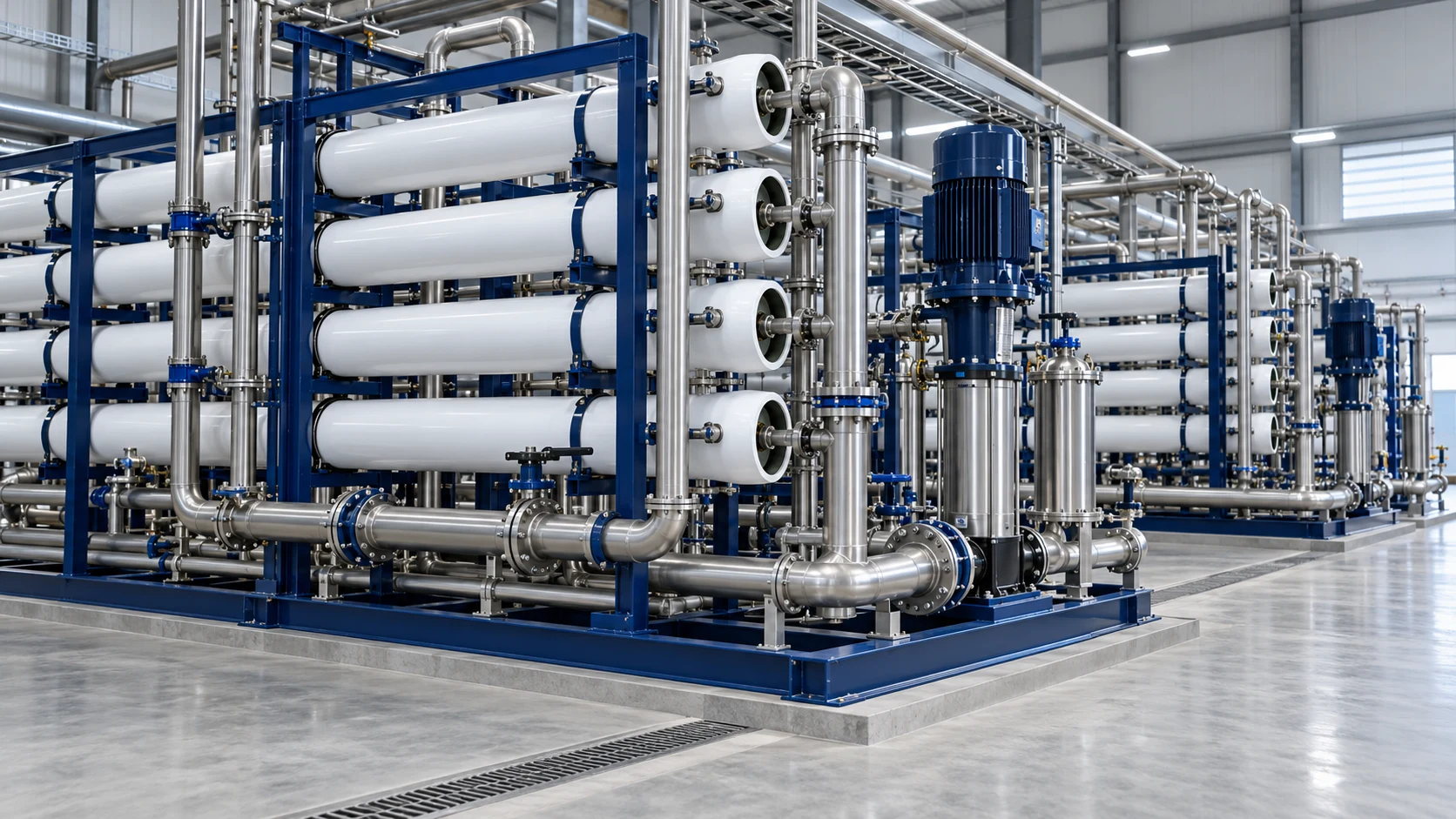
Membrane material and model define compatibility limits
DuPont's FilmTec manual notes limited tolerance of its relevant RO/NF membranes to oxidants such as free chlorine, requiring residual control before entry. UF, MF, RO and NF cannot be assessed as one category merely by their abbreviations. Disinfection conditions for one membrane material are not universal conditions for all elements.
Record the membrane manufacturer, complete model number, operating history and existing fouling diagnosis when collecting information. Seals, metals and other polymers may also be present, so compatibility review must cover the entire wetted system.
Review the complete formulation of non-oxidizing candidates too
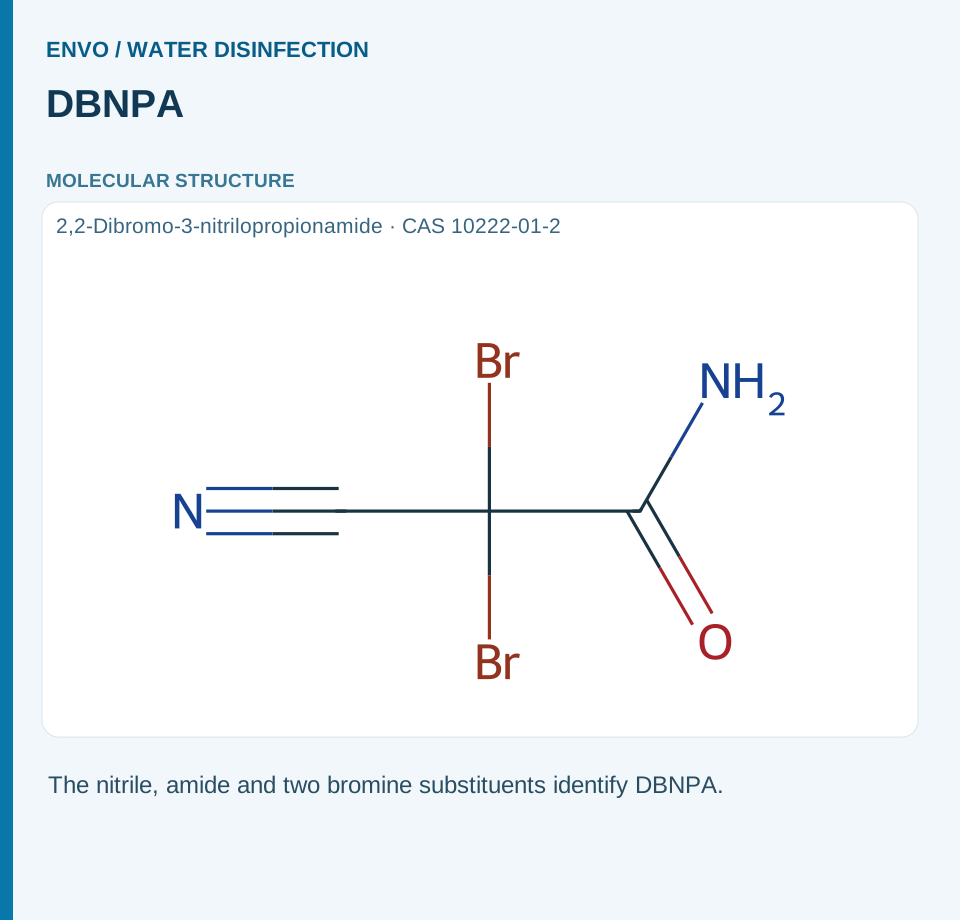
Membrane-manufacturer information discusses DBNPA as a non-oxidizing option, but this does not automatically approve every commercial formulation. The DuPont manual notes that reducing agents may affect DBNPA activity, requiring joint review of existing dechlorination and other chemicals. An active-ingredient percentage alone cannot establish site compatibility.
Hydranautics' technical bulletin distinguishes research on generic chemicals from suppliers' proprietary formulations and calls for confirmation of compatibility between the specific membrane type and chemical. Ask suppliers for formulation identification, applicable membrane models, test conditions and limits of use.
Separate disinfection, cleaning and preservation objectives
Disinfection addresses microorganisms, cleaning removes deposits and fouling layers, and preservation protects the system during shutdown. Established deposits may require a dedicated cleaning procedure. A change in microbial measurements after disinfection does not demonstrate that the fouling layer has been removed.
Use three separate acceptance questions in technical discussions: have microbial indicators improved, how have differential pressure and normalized performance changed, and are reliable restart conditions established? Different objectives require different evidence; a single composition test report cannot answer all three.
Agree on treated-water handling and restart requirements before ordering
Membrane manufacturers also note that chemicals and formulation components may not be completely rejected by a membrane. Specify treated-water disposition, rinsing requirements, residual test methods and conditions for returning to service in advance. Drinking-water and demanding process-water applications require particular attention to the final use.
A complete inquiry should include at least a flow diagram, membrane model, water quality, existing chemicals, treatment objective and intended use of treated water. Review these with both chemical and equipment suppliers to reduce the risk of discovering an incompatible procedure after delivery.
Explore further
Does non-oxidizing mean completely harmless to membranes?
No. Verify the complete formulation, specific membrane model, contact conditions, and other materials and chemicals in the system.
Can service resume if the water looks clear after disinfection?
Clarity cannot replace the specified rinsing, residual and water-quality checks. Restart conditions must reflect membrane and equipment requirements, product instructions and the final use of the water.
References
This article draws on publicly available technical information. Third-party sources do not establish ENVO product approvals, field testing or project experience. Confirm each use against actual supply documents and site conditions.